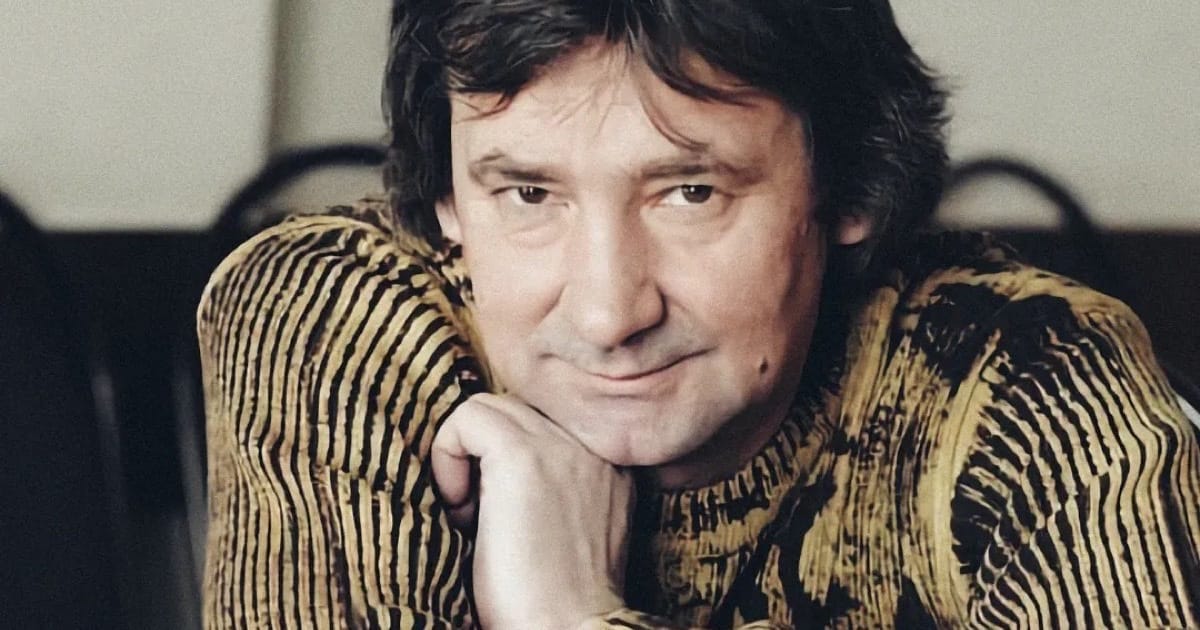

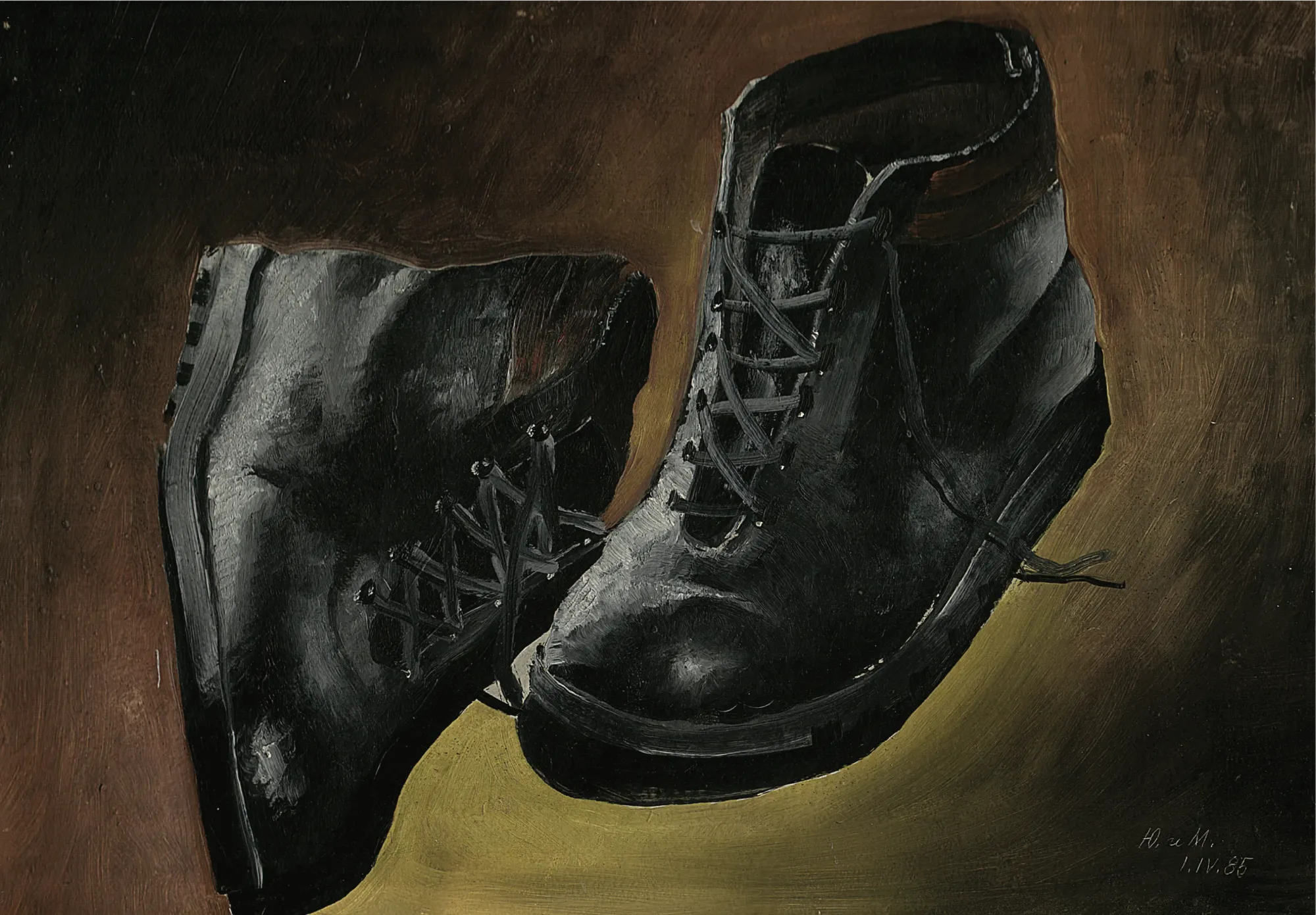
My father conceived this book in the mid-1990s. He spent many years writing it. In 2006, it was laid out and ‘published’: a single copy printed on a printer. For various reasons, Vladimir Alexandrovich, who devoted so much time to public service and to helping others, was unable to secure publication of the book he regarded as his life’s work.
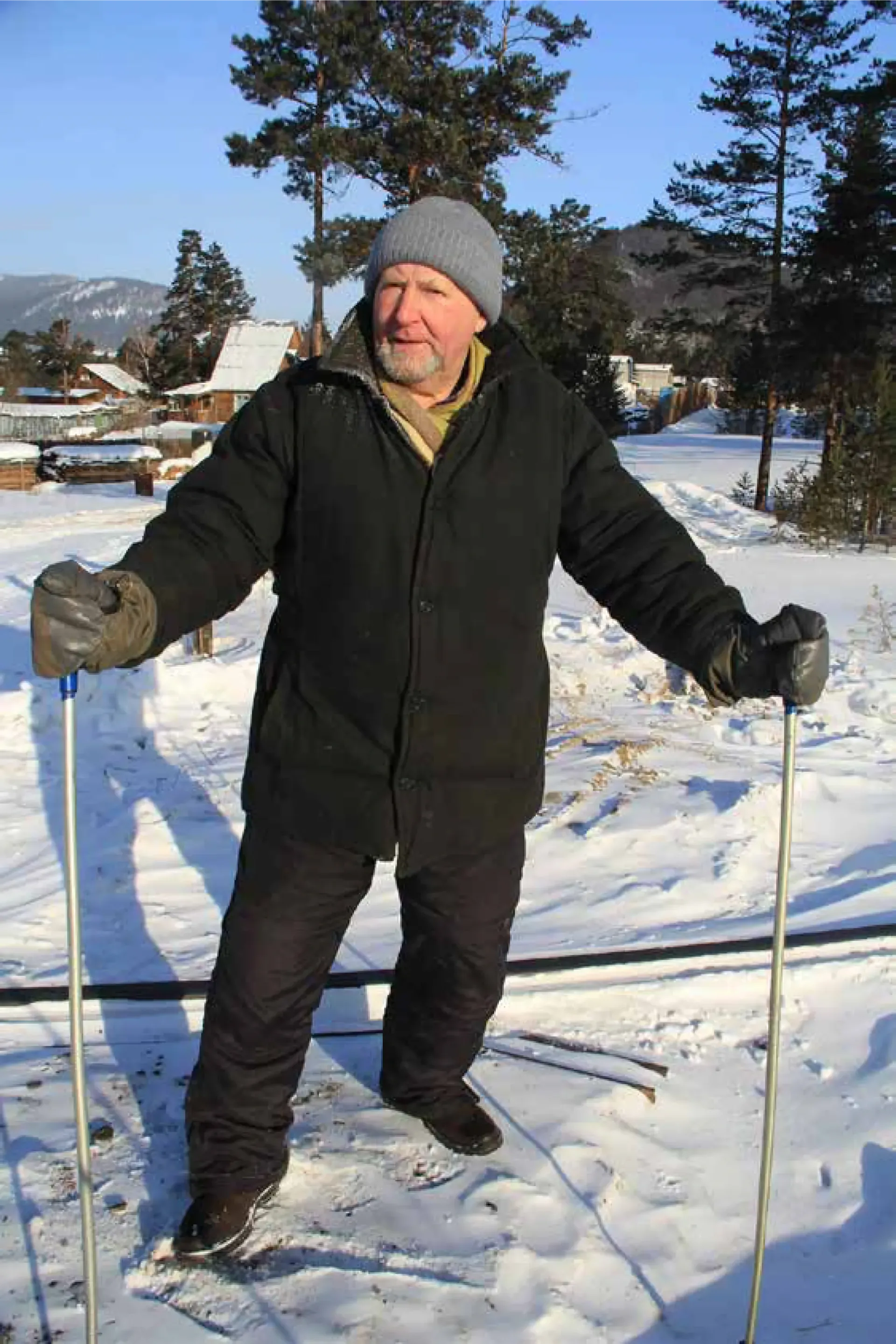
In a sense, Stanislav Nikolaevich Konstantinenko, his sincere and devoted friend, was its co-author. For more than thirty years they walked the trails of their native Buryatia together, broke ski trails, lit campfires and sang their favourite song, ‘The Brigantine Raises Her Sails…’, which became an anthem for their engaged generation, eager for knowledge and discovery. They discussed literally every sentence and every photograph in this book, testing their strength, balancing thought and imagery, bringing a true ‘technical perfection’ to the work. They approached it just as they, Soviet engineers, had designed power stations and supported the construction of transmission lines, roads and bridges that, we hope, our children and grandchildren will continue to use.
Until his final days—my father died in May 2019—he dreamed and believed that his work would not be in vain, that it would be appreciated both by the fellow hikers to whom he dedicated the book and by those ready to measure the breadth of their homeland on foot. I, together with everyone who cherishes his memory, am now working to preserve his legacy. We are developing the Vladimir Nevsky Museum of the History of Independent Hiking in Buryatia. This edition, which includes the original text and more recent articles published in the media, will form part of a project, including the museum, to study, share and preserve the historical and cultural significance of independent hiking in the exploration of the region.
If the museum project develops favourably, future visitors may view its unique archival documents, photographs and authentic hiking equipment dating from the mid-1950s with ‘nostalgia’ for the vanished ‘Soviet empire’ and the romantic, selfless people of that era. Yet as we look into the past, we try to discern the ‘patterns of things to come’ that shape our future. One may be sceptical about prophecies encoded in ancient books, in which humanity’s cultural codes are recorded in one form or another. But we should listen to what the world-renowned English theoretical physicist, cosmologist and astrophysicist Stephen Hawking said not so long ago.
In response to US President Donald Trump’s decision to withdraw from the Paris climate agreement, he warned: ‘We are close to the tipping point where global warming becomes irreversible… In thirty years, humans will be forced to leave the planet.’ Whether we leave the planet or not… We should already be preparing for a time when the ability to light a fire, pitch a tent or build a raft from whatever is at hand becomes essential, when cars fall still and smartphone screens go dark because the electricity grid has collapsed—a realistic possibility even in a local technological disaster.
The section ‘Environmental Threat: Climate Change’ in the museum project I developed states: ‘The changing climate also affects the everyday lives of Buryatia’s residents. Young people can scarcely believe that rain once continued for weeks, that lush vegetation and dense forests grew right up to the city, that winters brought so much snow that severe frosts were easy to bear. Full-flowing rivers, impassable taiga, flowering steppes, stormy Baikal raising turbulent waves… Sadly, the beauty of nature as it once was survives in photographs, artists’ paintings and newsreel footage.’
‘Preserving the memory of our region’s beauty is becoming an urgent task. Perhaps it will help today’s young people find an effective way to stop the further destruction of nature.’ My father liked to repeat Vladimir Soloukhin’s words: ‘Hurry to fly, ride, walk, wander, swim—in a word, travel the Earth. Hurry to see the Earth!’
Today, that wish takes on new meanings. I should mention that part of the preparation of this book for print took place during the sudden lockdown brought on by the global COVID-19 pandemic. Stephen Hawking also warned in 2016 about the threat that ‘genetically engineered’ viruses could pose to humanity. In light of these events, surviving in isolation, perhaps far from civilisation in remote forests and mountains, no longer seems such a far-fetched scenario. My father was indeed in a hurry, and he walked so fast that even many experienced hikers could barely keep up with him.
More precisely, he was in a hurry to tell people so much, to share the beauty of his native landscape, his native Buryatia, with as many people as possible. I am deeply grateful to those who helped publish this book: the Ministry of Culture of the Republic of Buryatia for its grant; the staff of the NovaPrint printing house; Stanislav Nikolaevich Konstantinenko for his support in working on the book; and Vera Lubsanova for the photographs used in it. I would welcome everyone’s help in gathering material for the Museum of Tourism project: memories, photographs, authentic hiking equipment, and any other assistance or support. I hope to carry on my father’s worthy work.
Yuri Nevsky, member of the Moscow organisation of the Writers’ Union, art editor of Baikal magazine
@nevsky_alexander
On Instagram: Dubai beyond the postcard — family, the city, discoveries and life between projects. On Threads: thinking out loud about design and AI. On YouTube: videos that need more room than a story. Follow me wherever you feel at home, and let’s keep in touch