
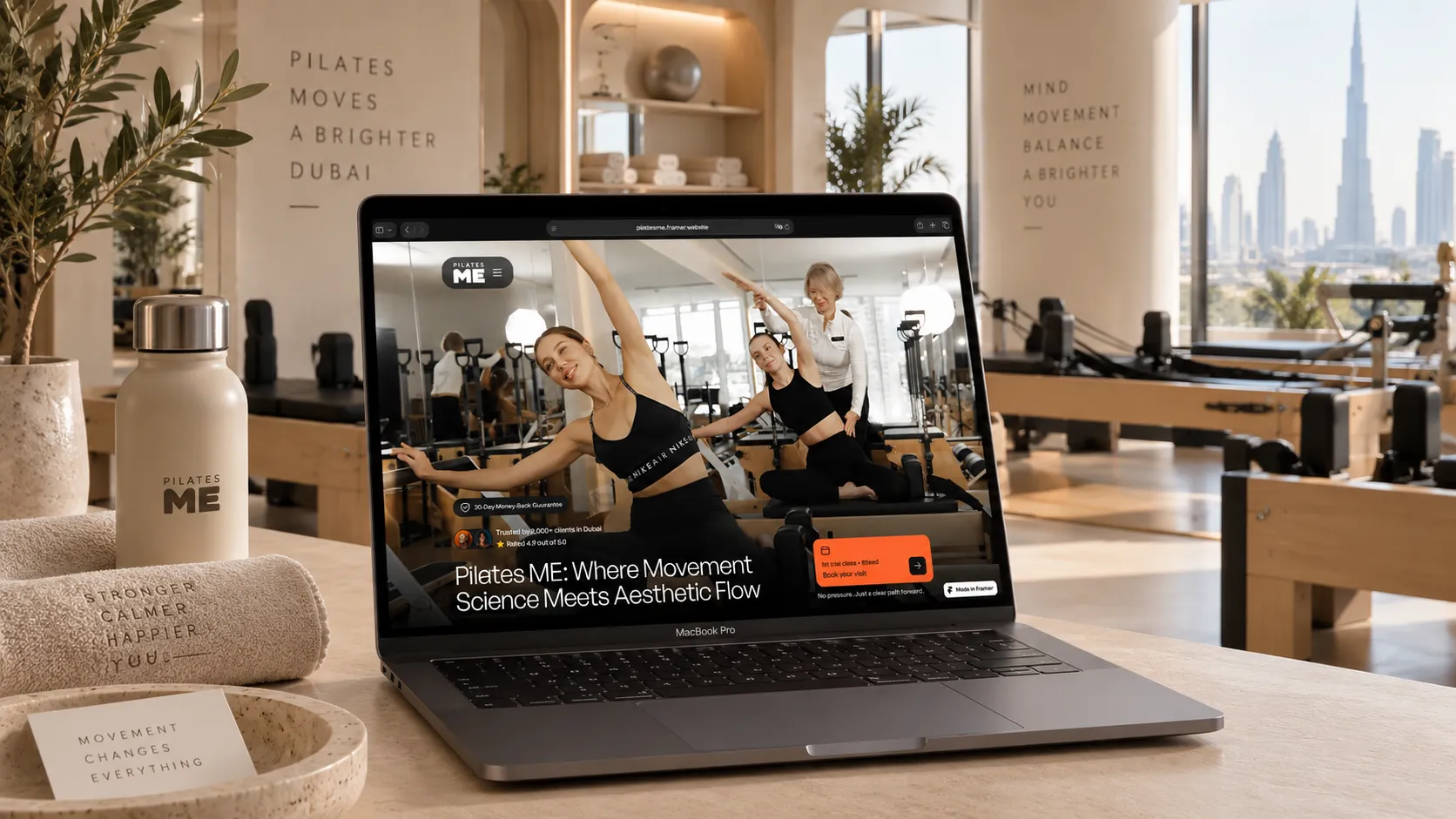
I designed and built the Dubai Pilates.me website entirely in Framer. I wanted direct control over composition, typography, responsive layout and animation, and to see on the published page what I had intended in the editor.
Framer suited this task well. It makes it easy to build a visual website, manage a small content catalogue through a CMS and release changes quickly. There is almost no separate design handoff to a developer between the mock-up and the working page.
Where I started to feel constrained
As projects grew, subscription costs and platform limits came up more often. Extra editors, languages and hosting requirements added expense. For each new project, I had to reassess how well that model fitted.
What mattered most was control over code and infrastructure. In Framer, hosting, rendering, image processing, fonts and publishing are closely tied to the platform. Even when data export or third-party export is possible, it does not offer the same workflow as my own repository.
I needed source code whose structure I understood: something I could review, change, extend with integrations and host wherever suited the project. Gradually, I started building most new websites this way.
What changed in my work
Framer can still be the first tool for exploring composition, motion and visual direction. Once the design language is clear, I move it into my own code with AI agents. For content-led websites, I often choose Astro and TypeScript and host the static build on Cloudflare.
Below is a local copy of the published Pilates.me website. It preserves the original Framer design, fonts and images; you can scroll through it like a real website. External requests are disabled.
Pilates.me website
Archived interface · demo data

This gave me more control over routes, SEO, page speed, content structure and future integrations. Several projects no longer needed a separate website-builder subscription for each site. Hosting costs still depend on traffic and the services used.
After more than fifteen years in product design, this is a significant change: I can continue beyond mock-ups, build the interface and take it through to publication. AI helps with that path, but visual and product decisions remain my work.
Pilates.me remains an example of a project for which I chose Framer. I have not written off the tool: it can still suit a visual marketing website that needs a quick launch and easy editing. I now choose the final platform for each project.
Pilates.me remains a Framer project: its composition, responsive behaviour and animation were built in that tool. My move to my own code belongs to later work. The point here is to show the website’s quality, not retrospectively call it an AI application.
View Pilates.me. My portfolio and Framer version.
Project screens and recordings
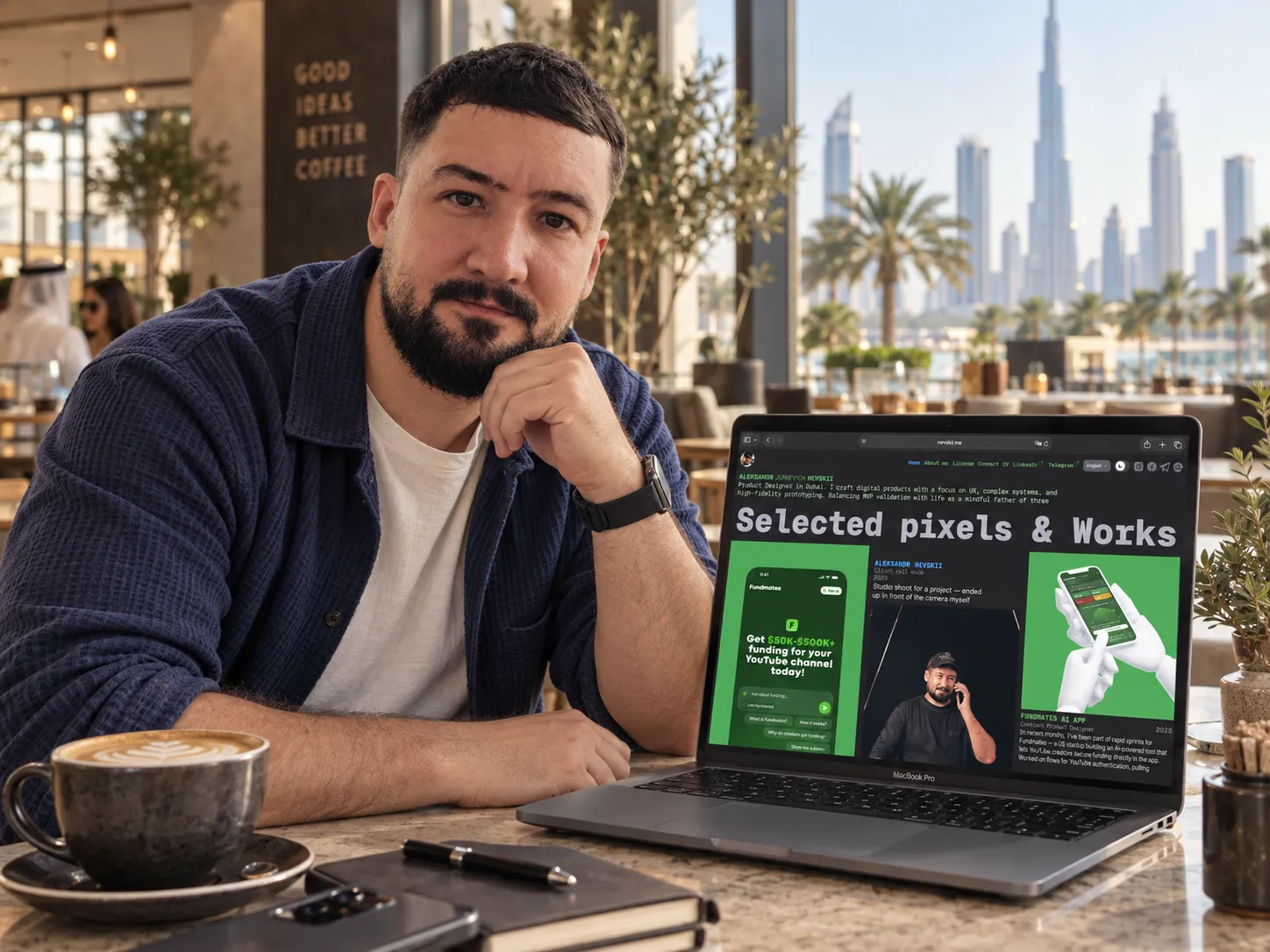
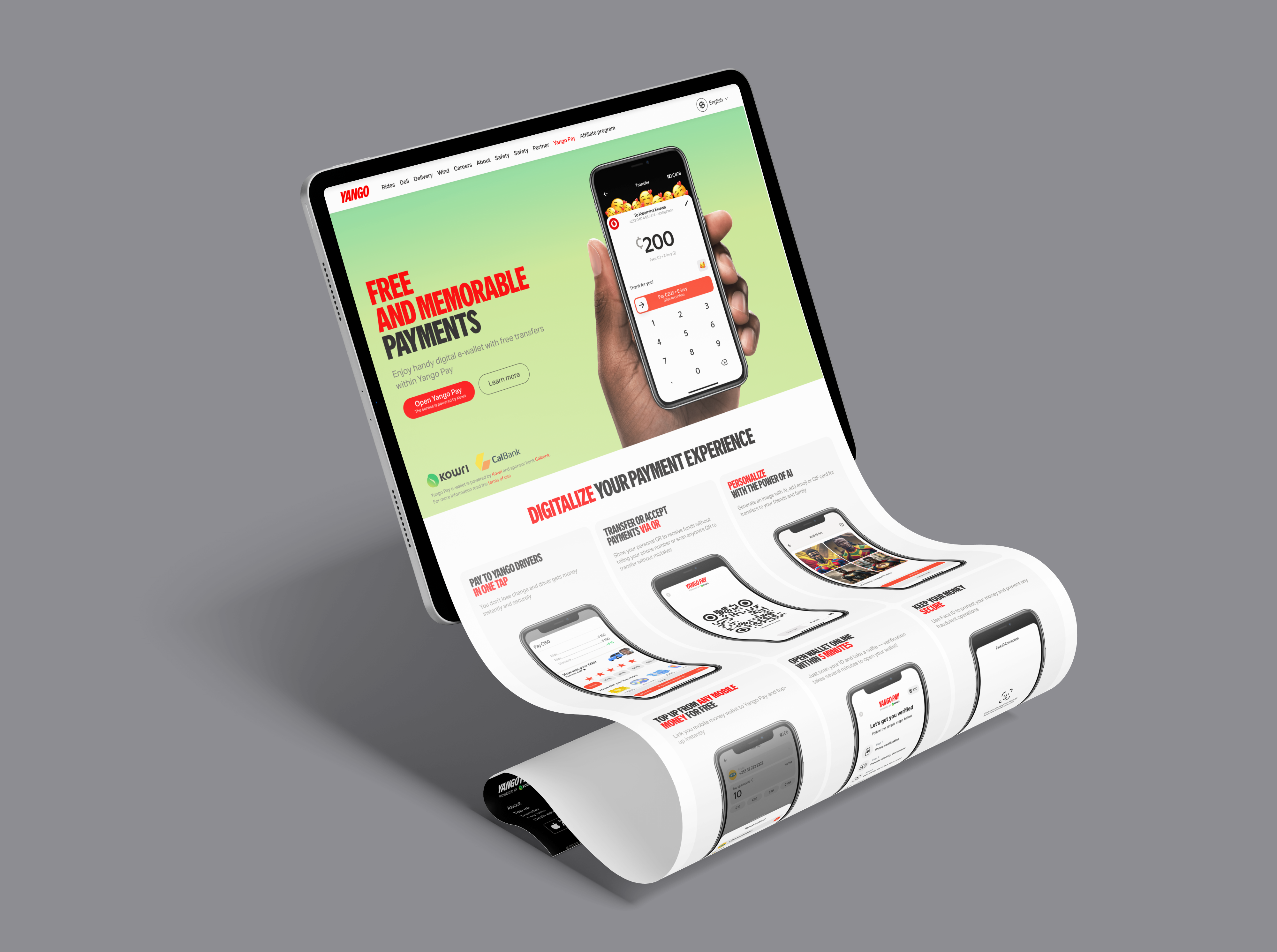
Related stories: Portfolio from Framer to Astro · Stages of PAC Journeys.


@nevsky_alexander
On Instagram: Dubai beyond the postcard — family, the city, discoveries and life between projects. On Threads: thinking out loud about design and AI. On YouTube: videos that need more room than a story. Follow me wherever you feel at home, and let’s keep in touch