
The worst part of a corporate website refresh can happen outside the browser. The homepage opens, the images look good, the team congratulates each other—and email stops arriving. Websites and email often share a domain name, creating the false impression that they need to move together.
I separated those tasks for A&F Advertising. The new website is built with Astro and hosted on Cloudflare Pages. Pages CMS and Git handle content editing. Email service and the existing Tasjeel/cPanel domain infrastructure follow their own path.
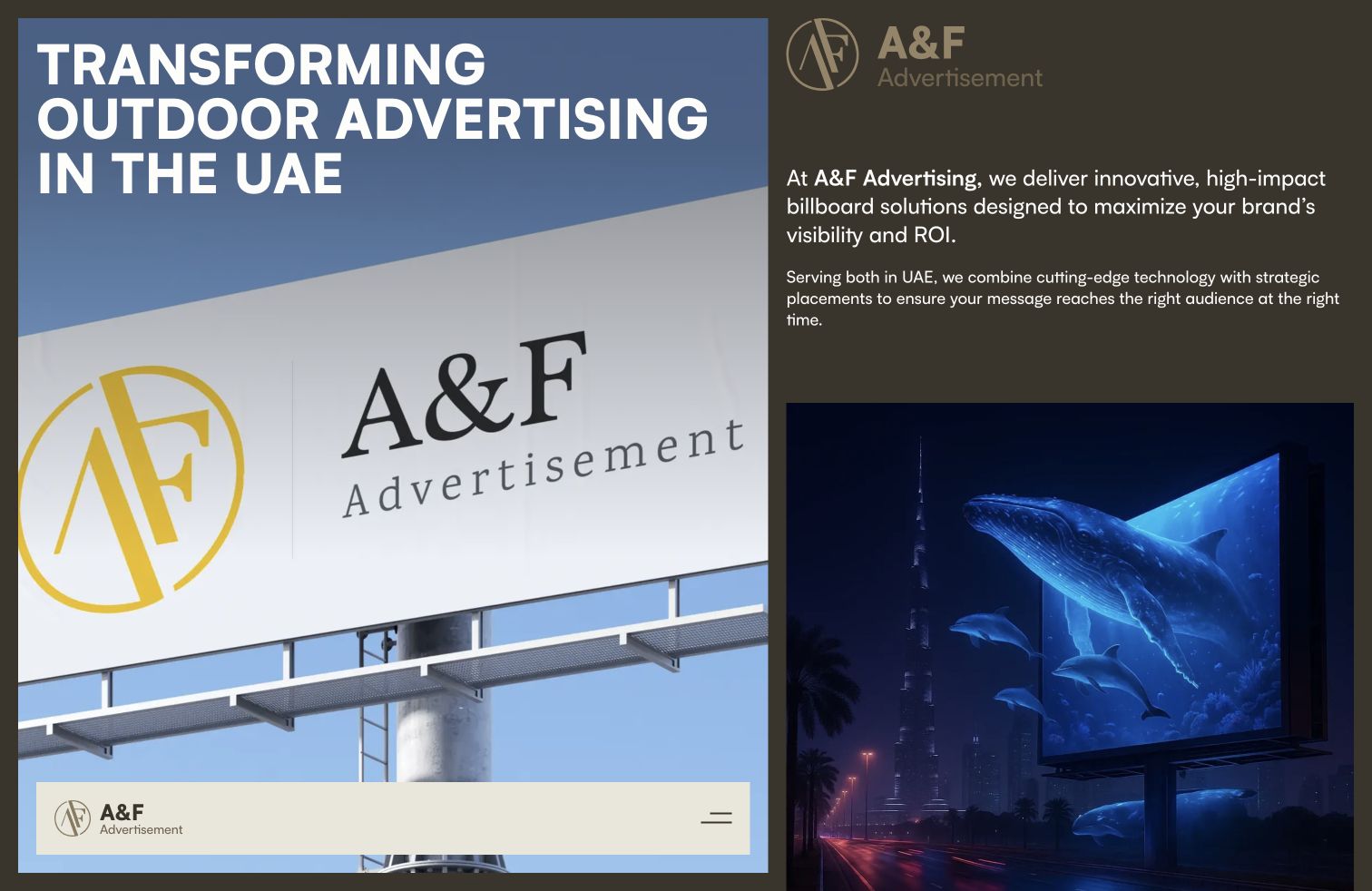
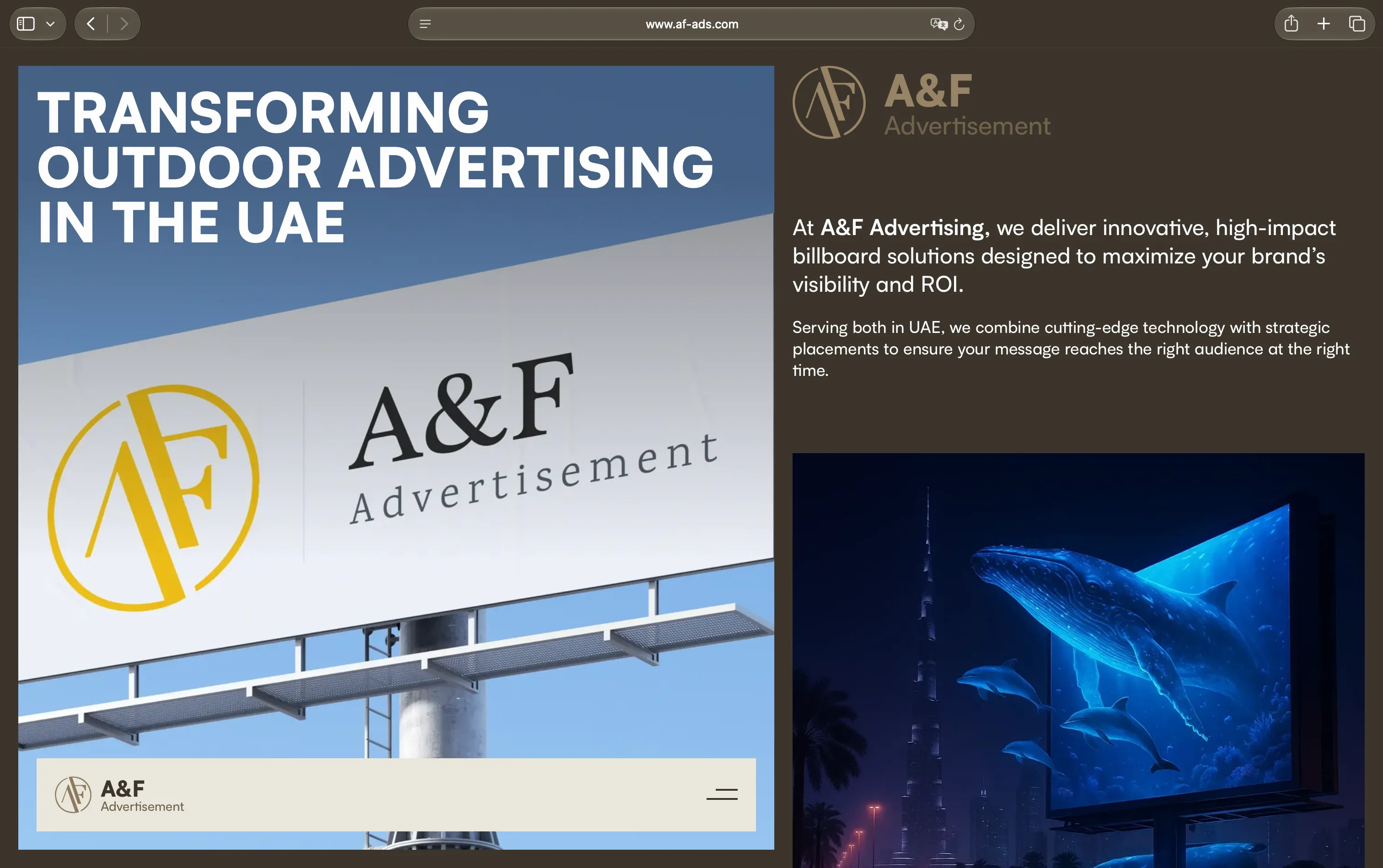
The “A&F Advertising — opening screen” view preserves the project’s actual materials and design.
A&F Advertising — opening screen
Archived interface · demo data

A domain is more than a homepage
Web addresses have rules: which version is canonical, where the alternative leads, and how links survive. Email has its own records and delivery settings. Changing everything together merely because the DNS panel is open would be an expensive kind of enthusiasm.
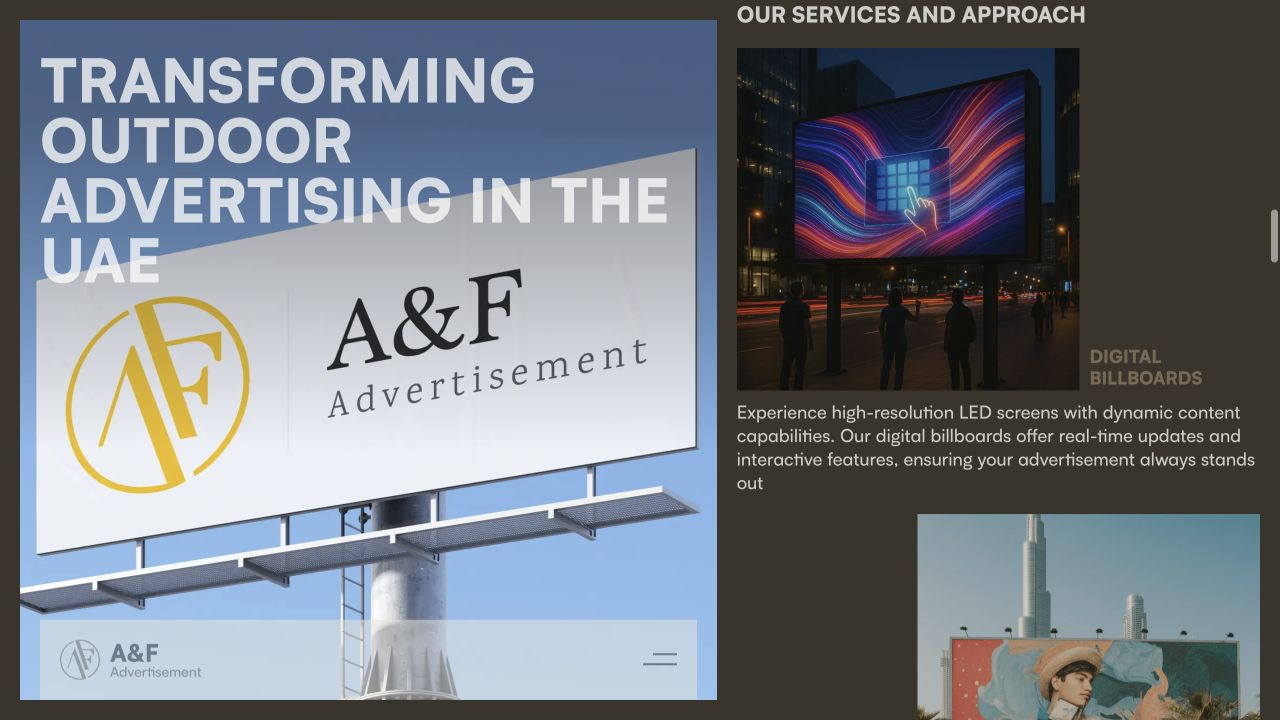
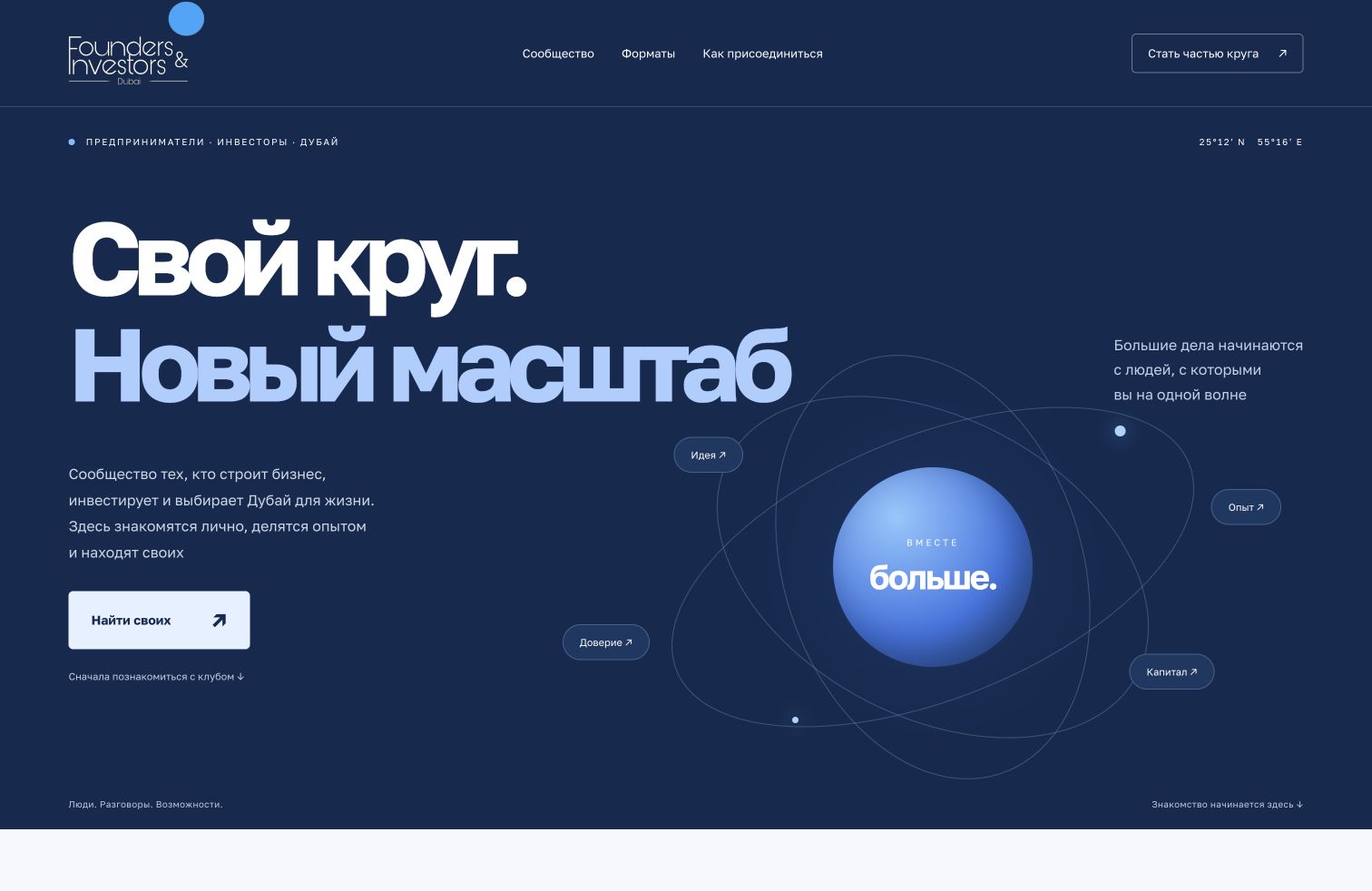
The “A&F Advertising — inner section” view preserves the project’s actual materials and design.
A&F Advertising — inner section
Archived interface · demo data
The website’s primary address is www.af-ads.com. A separate rule applied to email records: moving web pages is not in itself a reason to touch MX, SPF, or DKIM. Those abbreviations look dull until the first lost customer enquiry.
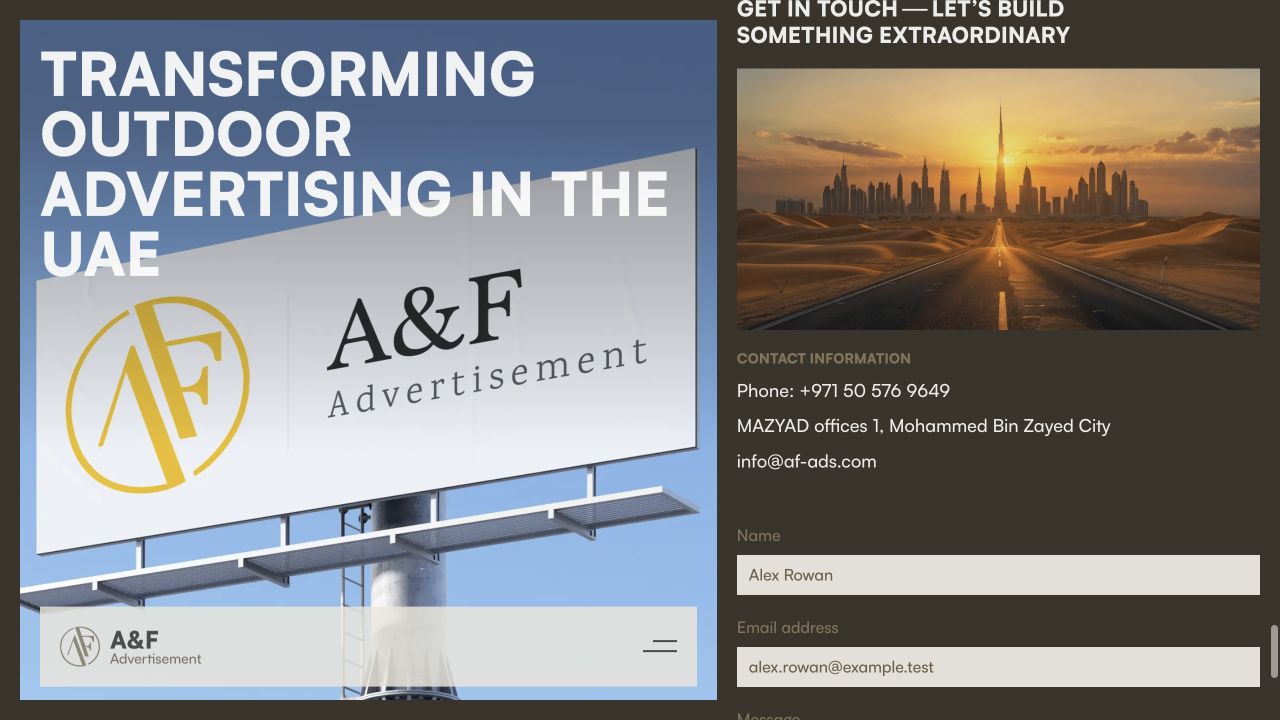
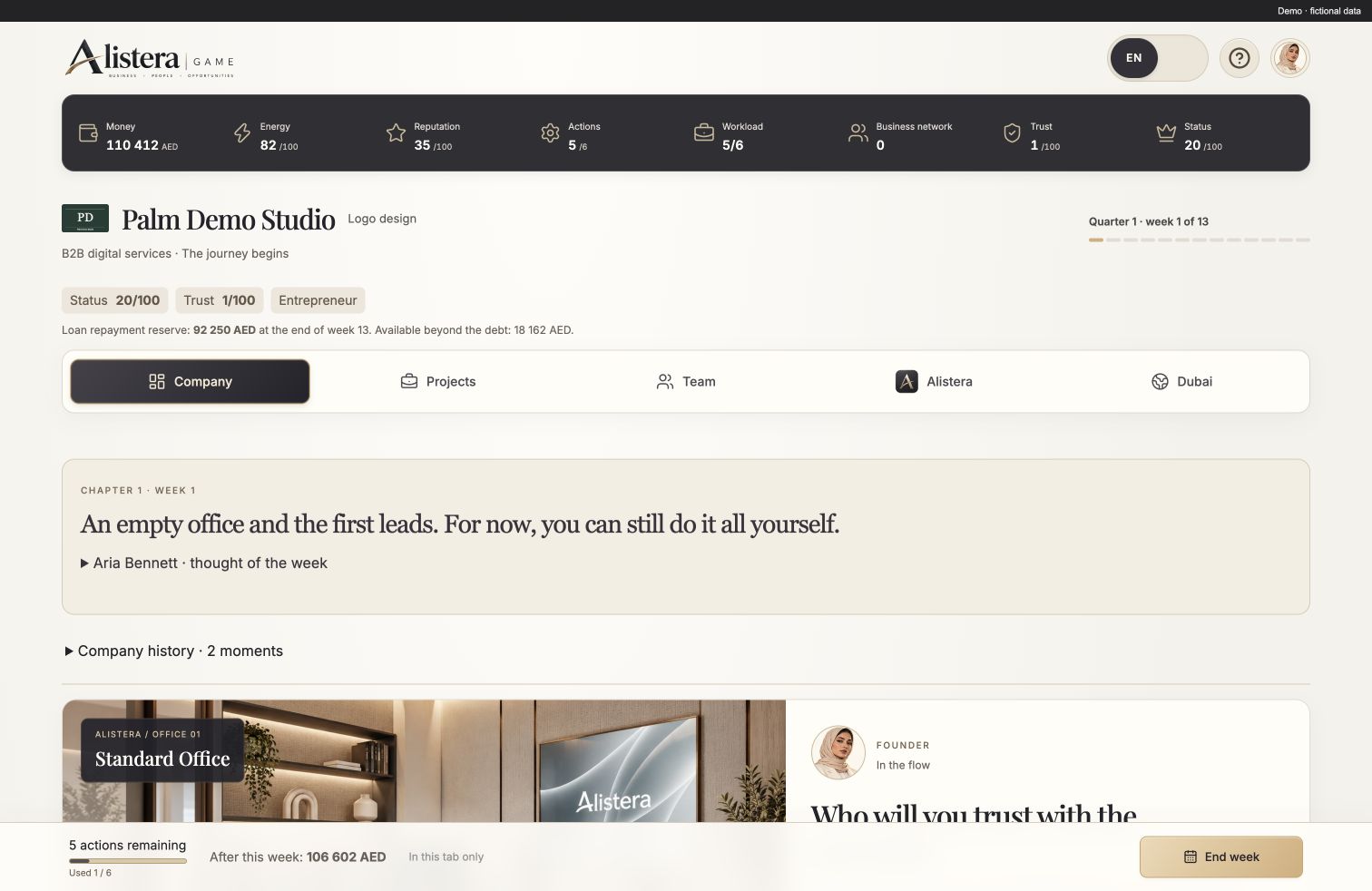
A&F Advertising — contact section
Archived interface · demo data
Editors need text; visitors need a page
Astro’s static build serves finished pages. Pages CMS lets editors change structured content and saves it in the repository. Owners should not have to find a sentence among classes and components.
For an advertising agency, a website also demonstrates its own approach to presentation. Actual work, services, and contacts therefore need to remain the main characters. Technology does not need a solo performance.
In projects like this, I combine design and technical implementation. AI helps make and check changes faster, but the migration boundaries are decided before the publication command.
I want people to notice the new website after the refresh. Meanwhile, the accountant, manager, and client should keep using email peacefully, unaware of the small technical adventure next door.
What remained from the Framer version
Before the move, A&F Advertising ran on Framer. The new implementation preserves its visual character, composition, and motion. AI helped move the design into custom Astro, TypeScript, and Tailwind code; Pages CMS writes content changes directly to GitHub.
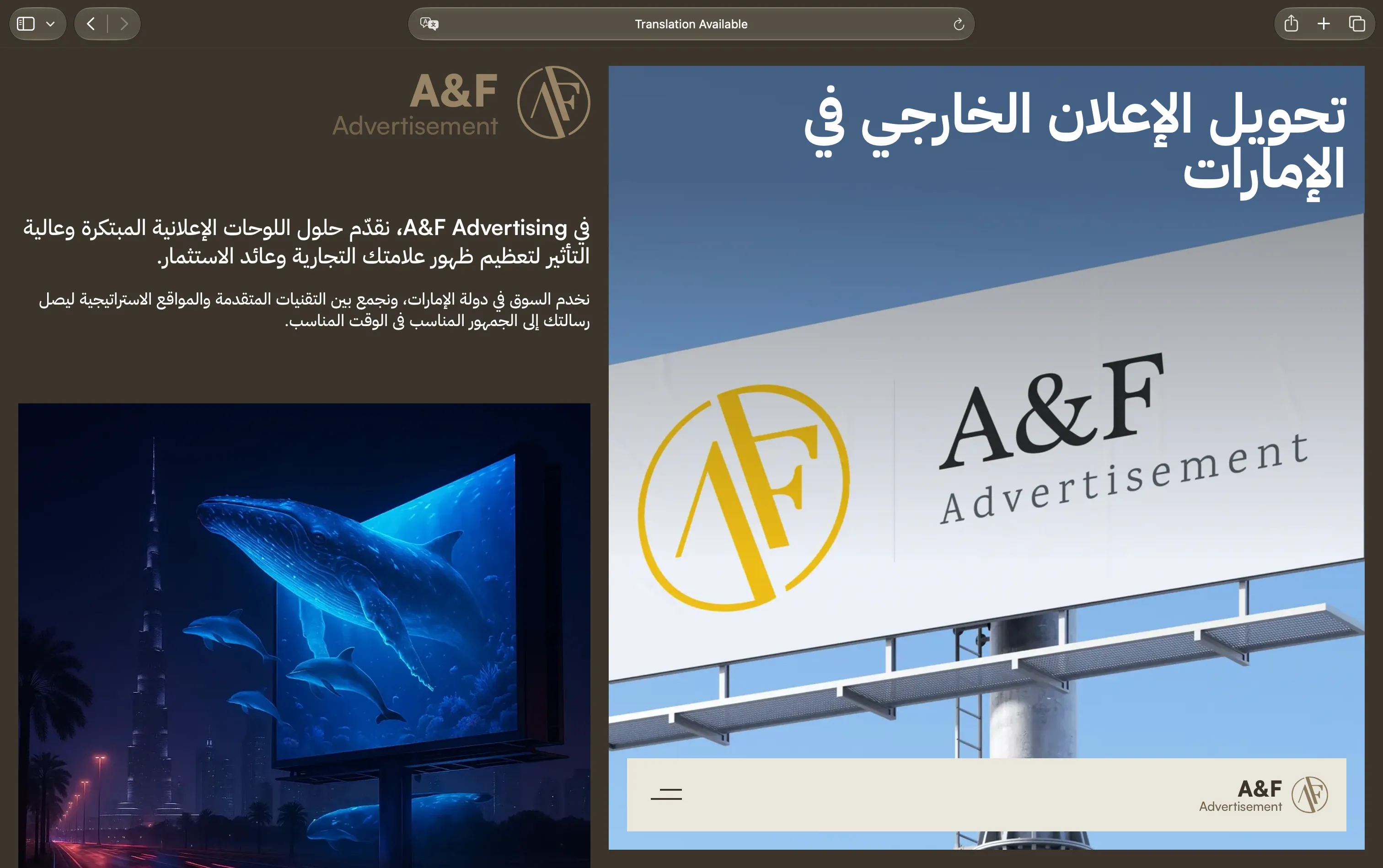
I accounted for English, Russian, and Arabic in the product structure: routes, content, SEO metadata, and interface direction. Arabic requires complete RTL support during development.
During the transition, I retained switching between the old Framer website and the new build. That provided a clear way back if changing the website source caused a problem. Mailboxes and MX, SPF, and DKIM records remained in the existing Tasjeel infrastructure.
My result is a new website implementation with a path back to the former Framer version during the transition. Mailboxes and MX, SPF, and DKIM remained with Tasjeel. This is a website migration, not an email-service migration.
Project screens and recordings
Related stories: A portfolio from Framer to Astro · LiveDXB migration.

@nevsky_alexander
On Instagram: Dubai beyond the postcard — family, the city, discoveries and life between projects. On Threads: thinking out loud about design and AI. On YouTube: videos that need more room than a story. Follow me wherever you feel at home, and let’s keep in touch