

Real estate has a remarkable appetite for precise numbers. You can quote a price down to the last dirham while having only a vague idea of where it came from. A precise figure works like a good suit: people do not immediately ask what is inside.
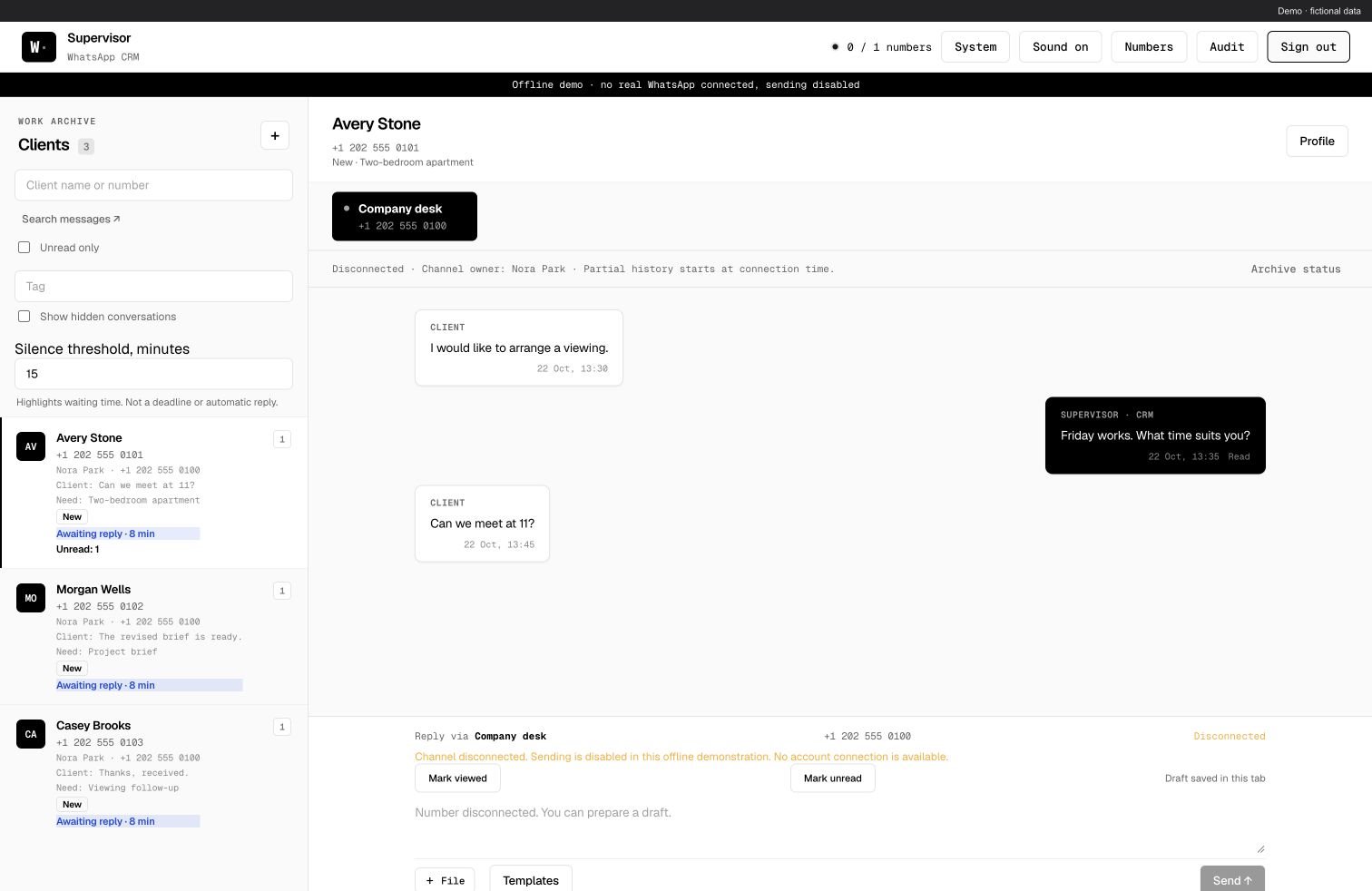
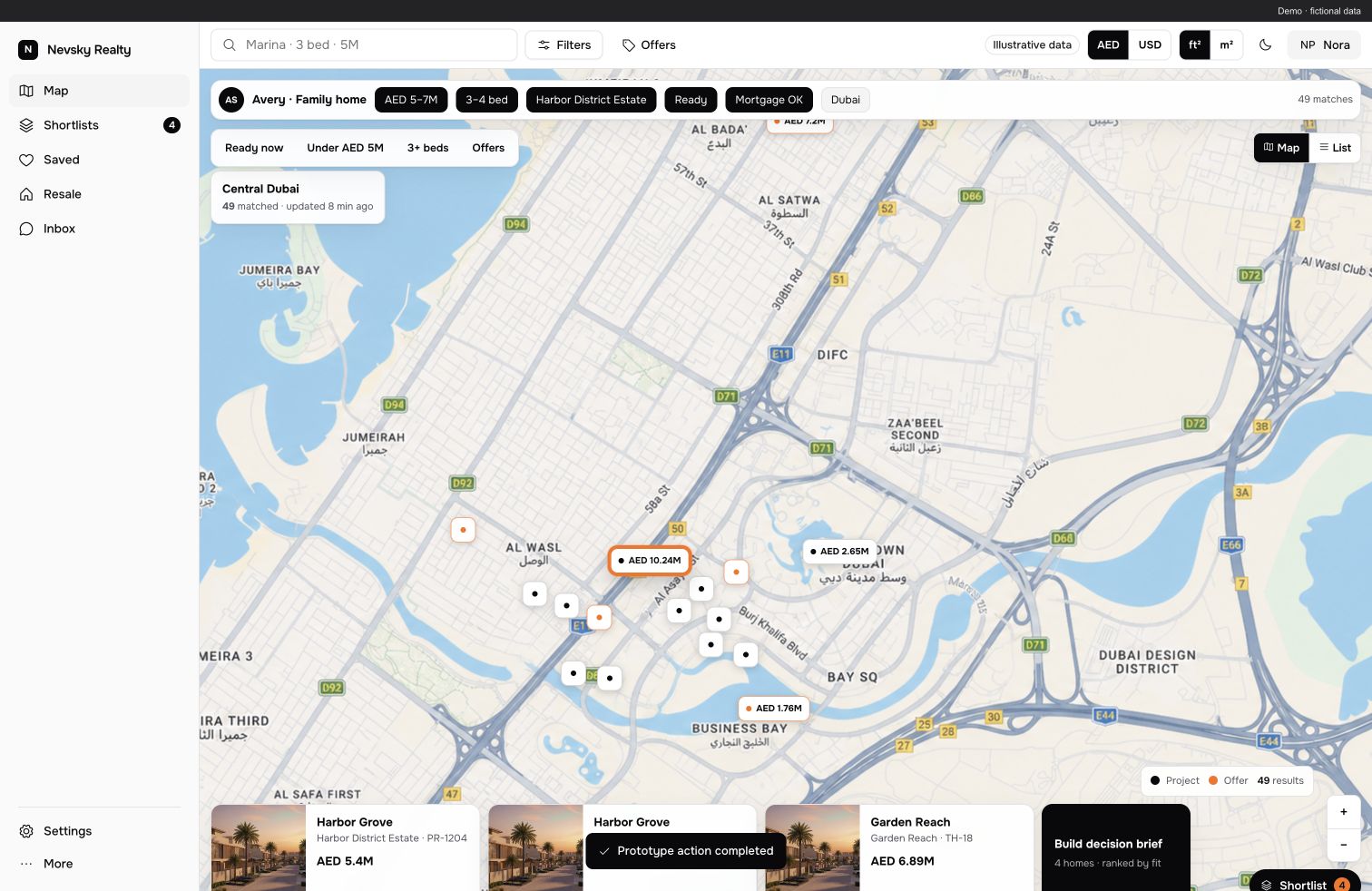
In my broker CRM, I was designing Comps Engine, a module that values property using comparable transactions. The idea was practical: take a property, find relevant actual sales, and show an explained range rather than a single number presented with great ceremony.
What can actually be compared
An apartment being compared with another apartment is not enough. The development, property type, area, transaction date, project stage, and source data quality all matter. Asking prices and completed sale prices also answer different questions.
The proposed design allowed successive matching levels: close comparables first, then a wider window if data were scarce. For example, a six-month period expanding to twelve months, with an area tolerance. These were parameters of the intended method, not evidence that every matching row automatically made a good comparable.
DLD and Dubai Pulse were the intended data sources. The report was meant to show the transactions used, the age of the data, and the confidence level. If the sample was weak, the interface needed to say so before a visitor began negotiating with a seller on the program’s behalf.
Why the pause belongs in this case study
The project currently marks this module as paused and for reference. I do not present it as an operating independent valuation service, or suggest making a financial decision from a prototype screenshot.
Continuing requires more than finishing a PDF. It needs a verified source, a reproducible import, checks on comparable quality, and clear responsibility for updates. AI can quickly write code to process a table; that does not establish whether the table is suitable for the task.
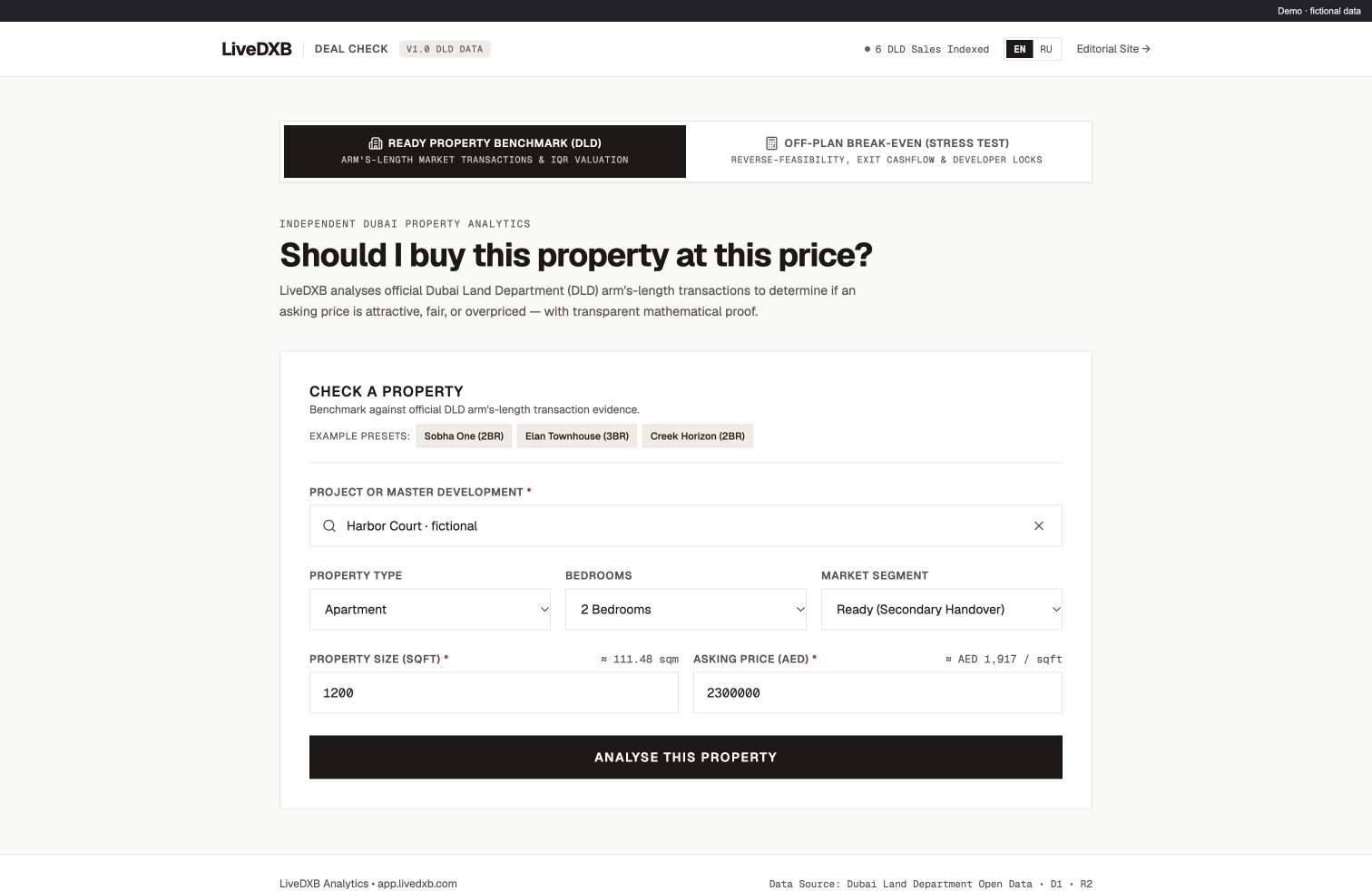
Later, I built a separate project, LiveDXB Analytics, with an implemented calculation engine. That is a different story, with its own code and limitations. Combining the capabilities of both projects into one ideal product would be an all-too-convenient form of creative writing.
Comps Engine remained a paused module, not an operating valuation service. Its result in this case study is a developed problem definition and an account of when data are sufficient. The later LiveDXB Analytics implementation is a separate project; its capabilities have not been attributed to this one.
Related stories: LiveDXB Analytics · Broker CRM.
@nevsky_alexander
On Instagram: Dubai beyond the postcard — family, the city, discoveries and life between projects. On Threads: thinking out loud about design and AI. On YouTube: videos that need more room than a story. Follow me wherever you feel at home, and let’s keep in touch