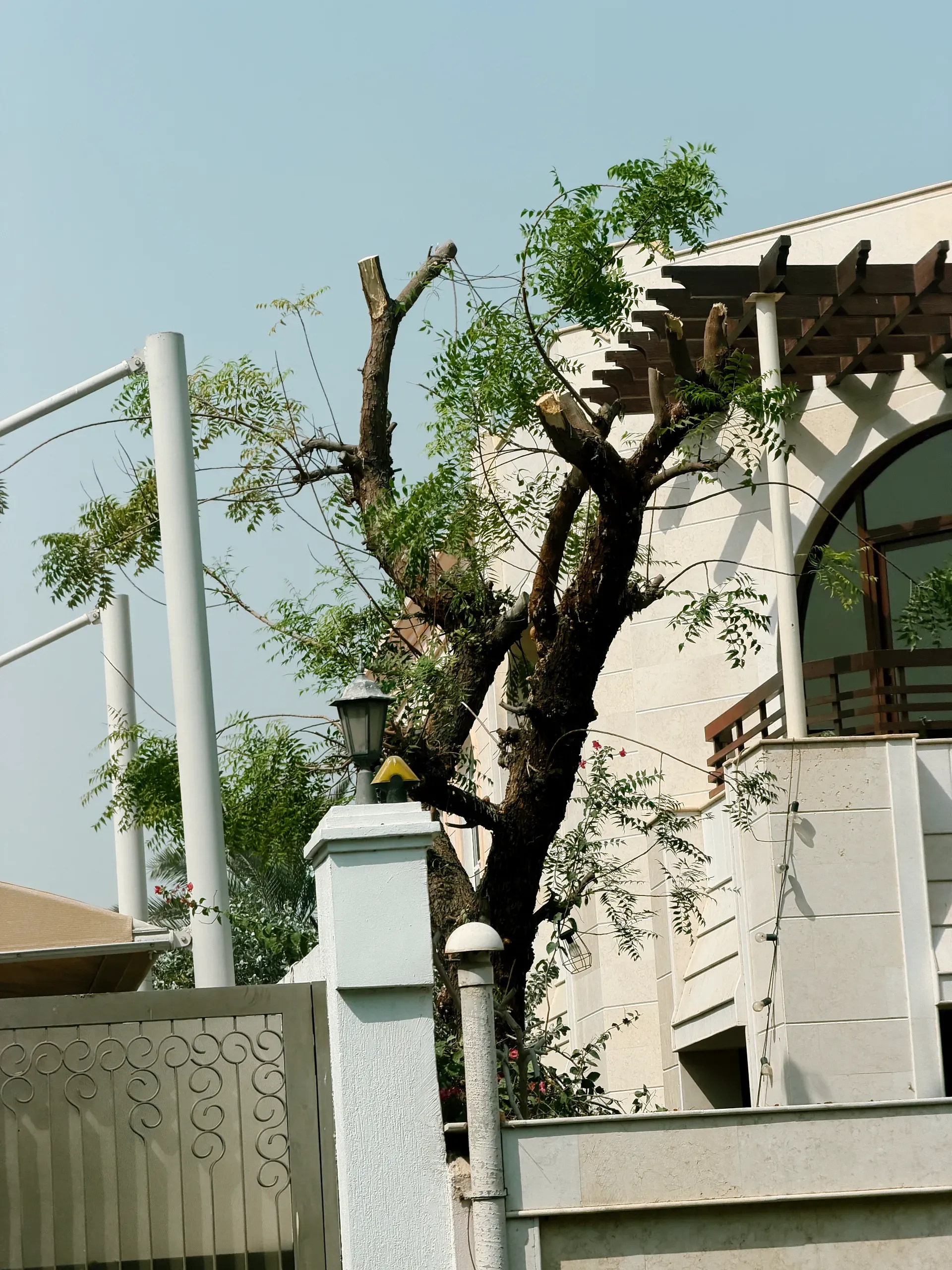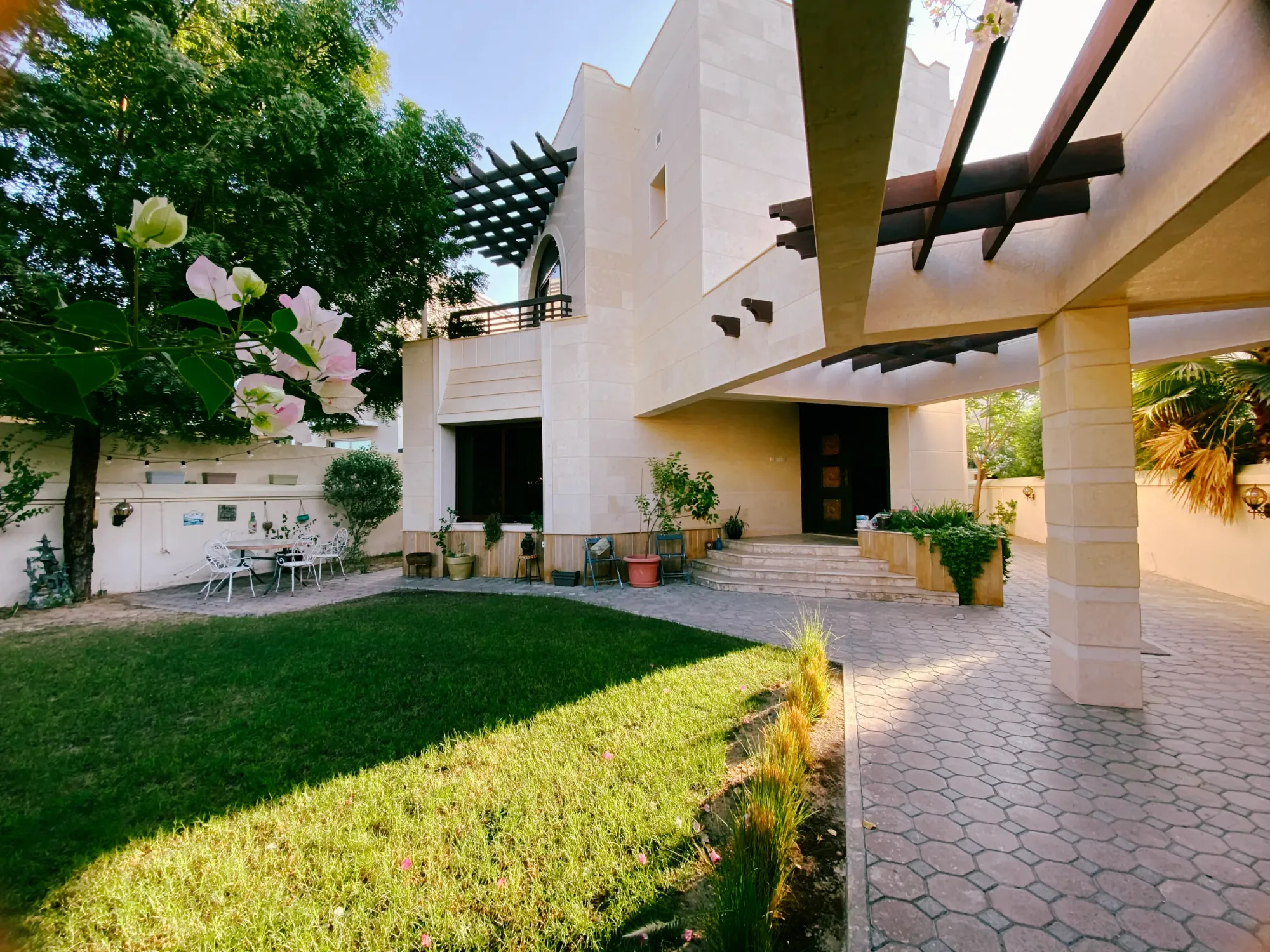
We spent 1,360 days in an old Arab villa in Umm Suqeim. It raised our children, flooded the bedroom with rainwater, sent me up to the roof to restore the power and, in the end, populated the rooms with large brown cockroaches. When we finally moved to the Palm, the villa decided to keep half our deposit as a souvenir.
The house did not want to let us go. First it kept half the deposit. Then, after we had already left, it went on sending agents, messages, memories and photographs of rooms where our things had stood only recently and where now the empty Dubai echo wandered.
Only the keys lay with the owner: an elderly Arab landlord, a man of respectable years, firm business instincts and very particular ideas about the direction a deposit ought to travel once a tenancy is over.
We handed the villa back on 22 July 2026. He inspected the house, found — naturally — flaws in the fabric of the universe of which we had been unaware, and returned only AED 6,500 out of AED 12,500.
The remaining six thousand dissolved into the hot air of Umm Suqeim.
Perhaps they went towards maintaining the national reserve of old Arab villas. Perhaps towards restoring the landlord’s peace of mind after meeting our family.
Or perhaps they simply stayed in his account because money, as everyone knows, is remarkably reluctant to change hands — especially when its current owner sits tight, replies slowly and knows perfectly well that a notarised notice costs AED 1,300.
Now we have to decide: go to war for the remaining six thousand, or accept them as the final sacrifice to the house and close this chapter.
But that can wait. First we should return to the day when the house still seemed kind.
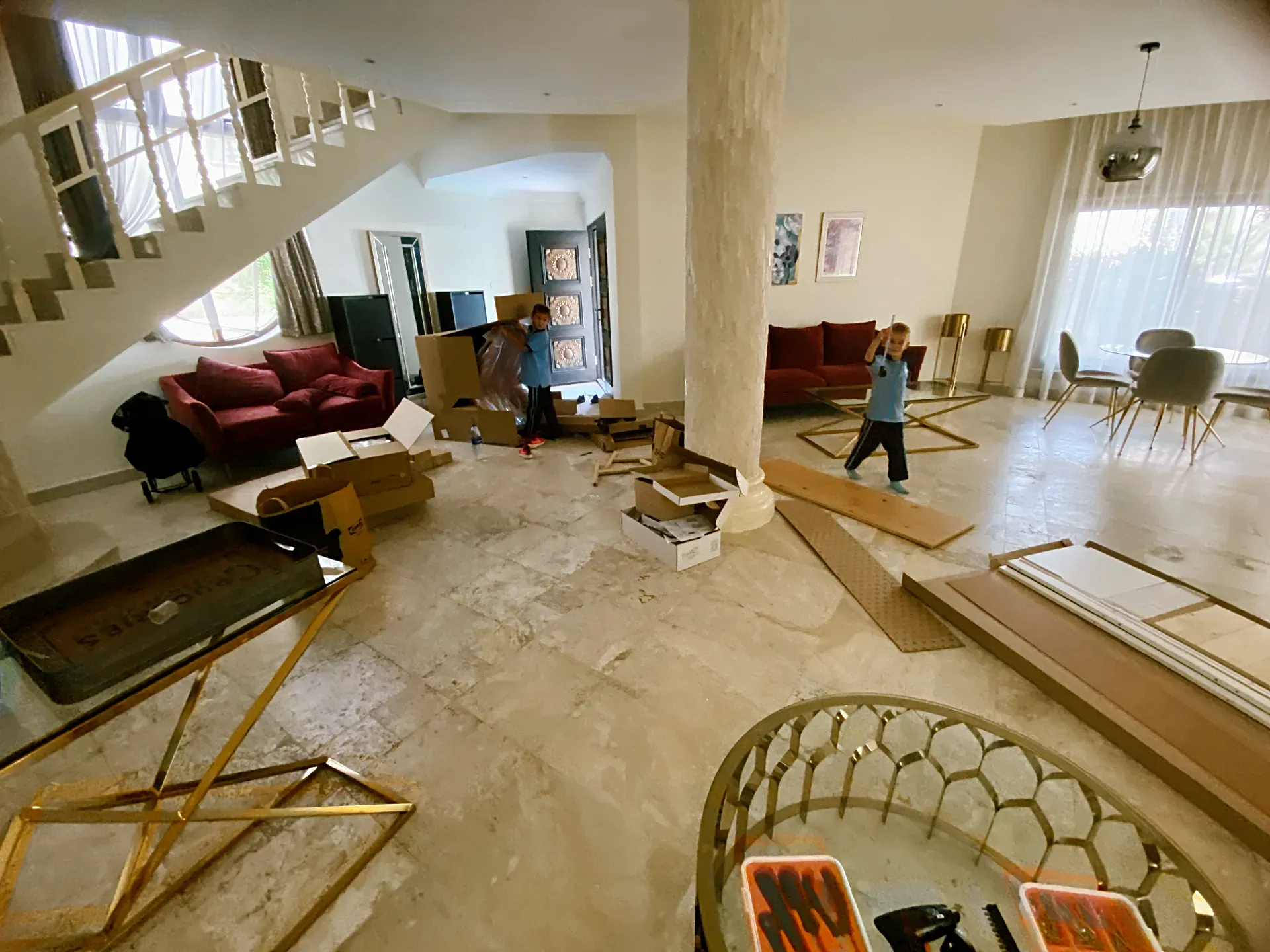
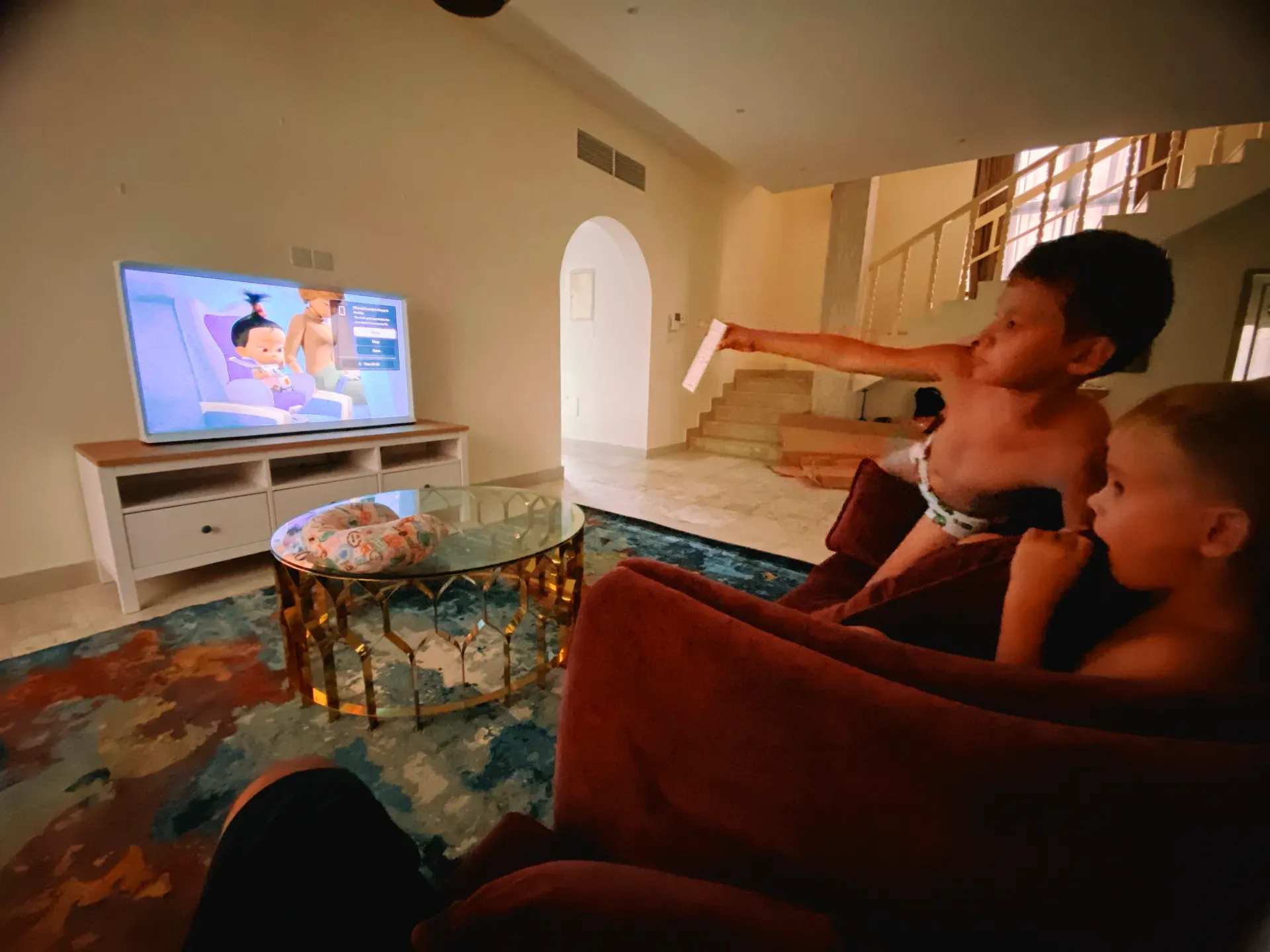
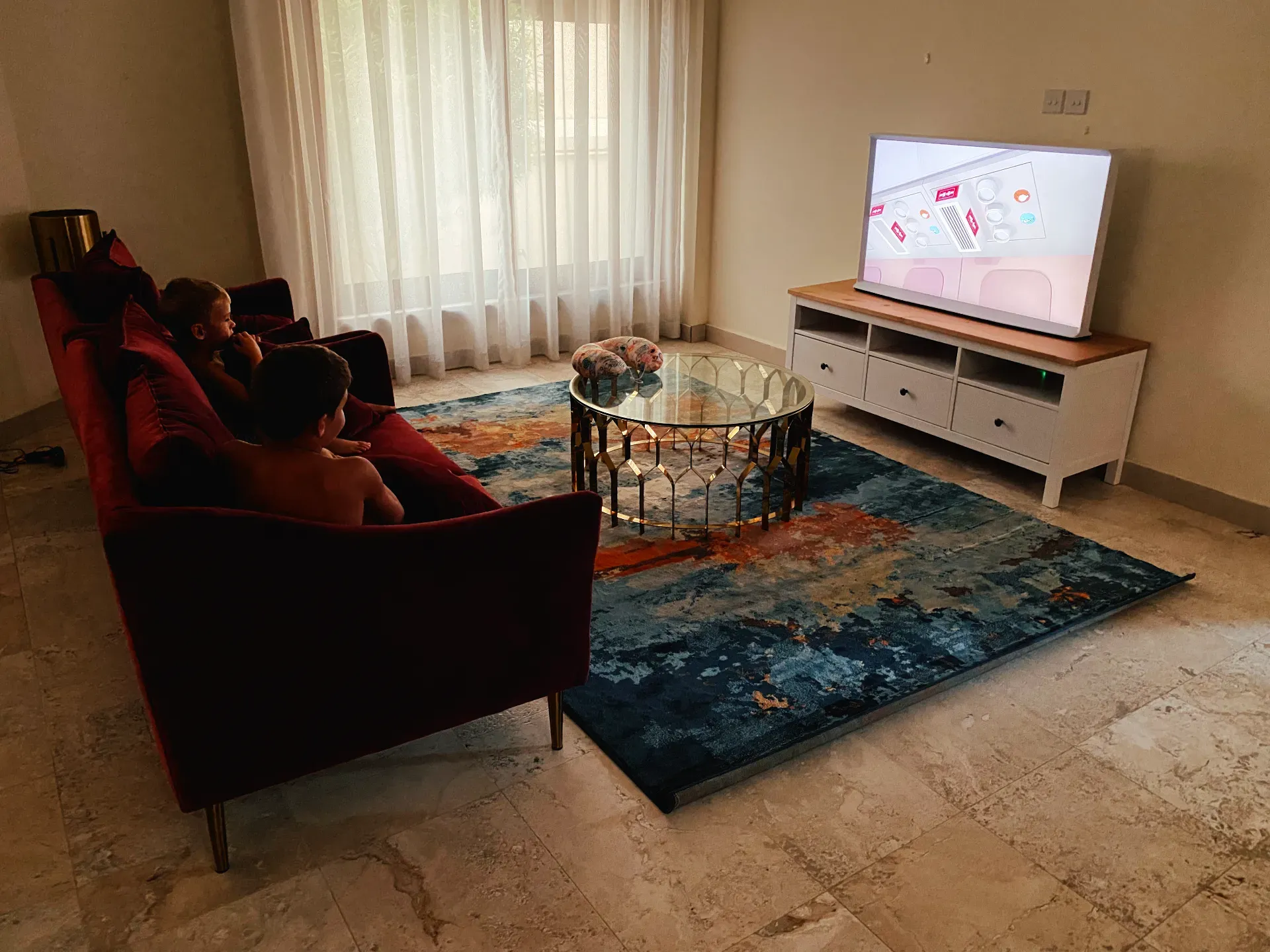
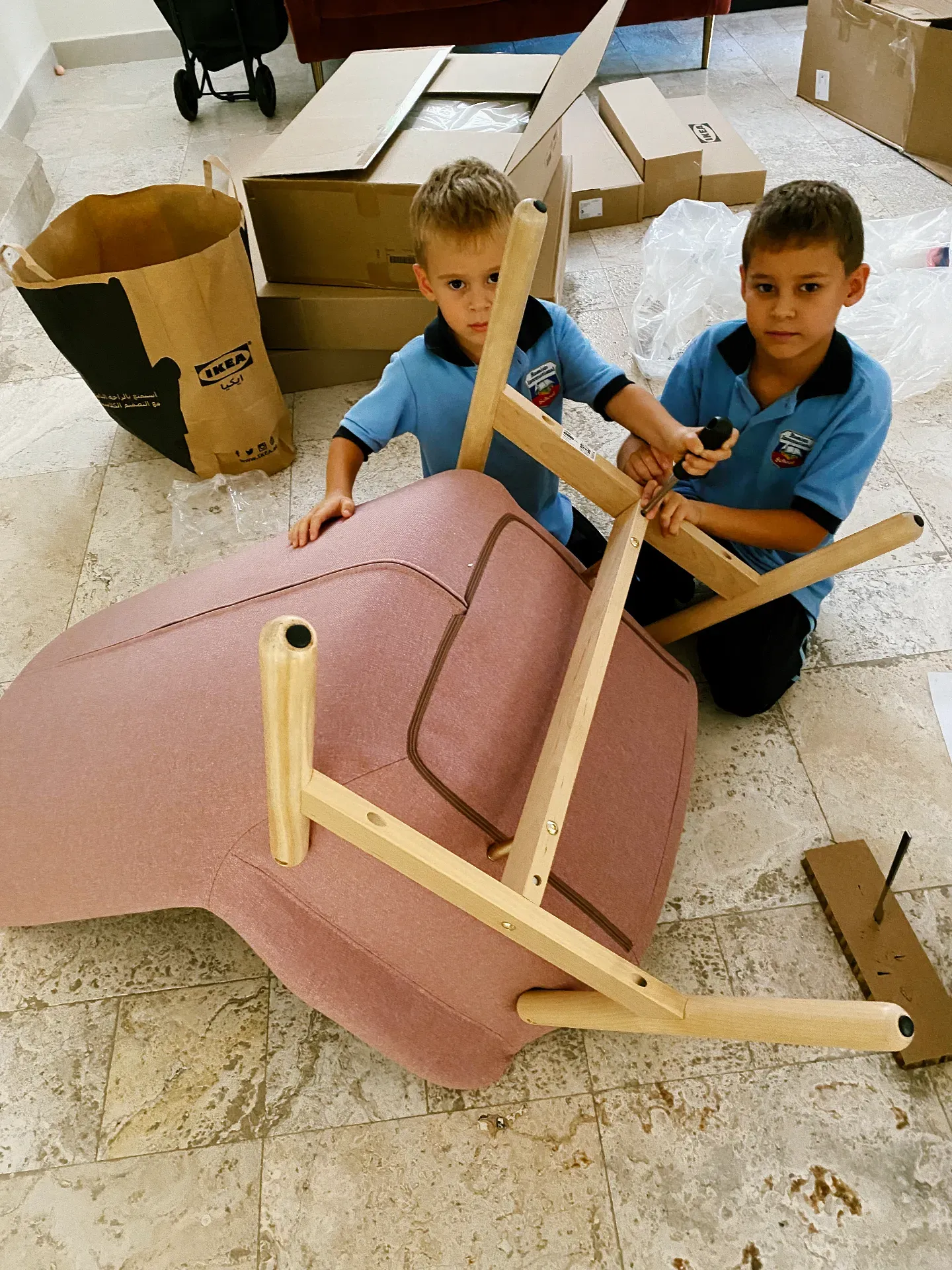
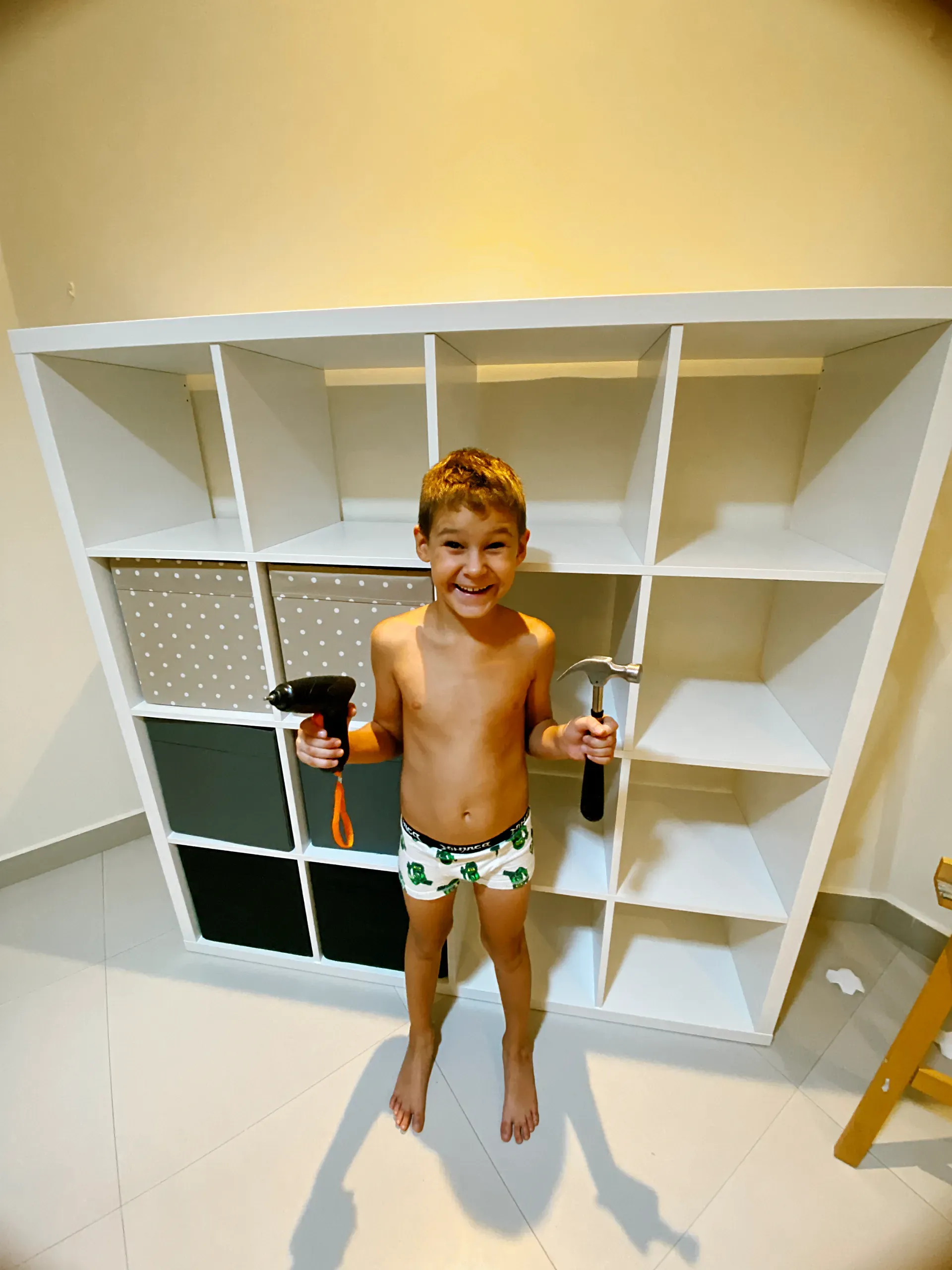
Our first days at the villa — assembling IKEA furniture with the boys and simply chilling
The thirty-first of October
We moved into the villa on 31 October 2022.
The moving date was, it has to be said, a symbolic one. In civilised countries, children dress as witches, corpses and tax advisers, go from door to door and demand sweets.
We, meanwhile, received the keys to a two-storey Arab villa and, without knowing it, stepped into a prolonged Halloween that would last 1,360 days.
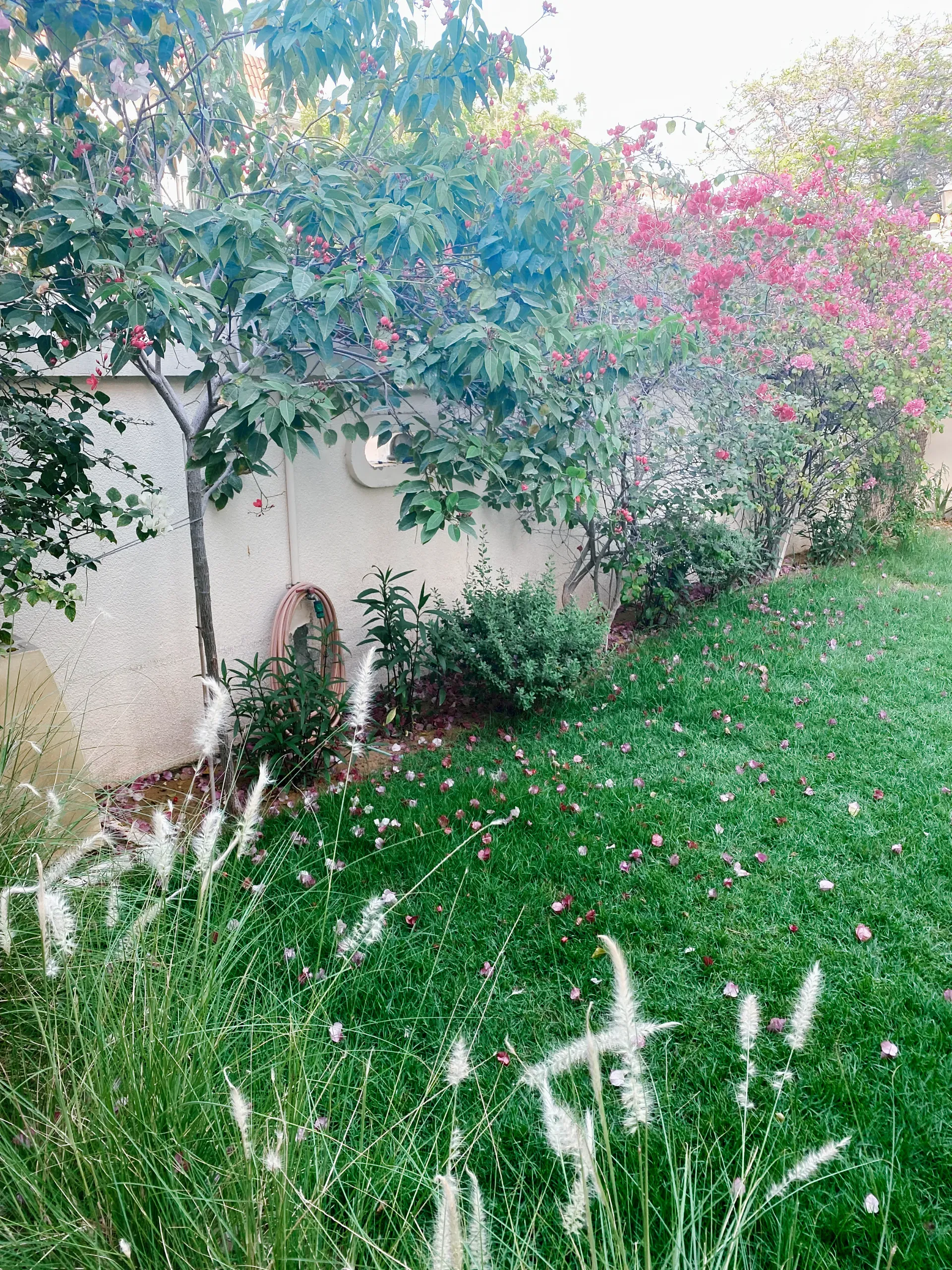
On that first evening the house was beautiful. Its white stone façade glowed in the dusk. Heavy wooden beams hung above the entrance. Trees grew in the garden, bougainvillea flowered, the grass rustled softly, and shadows of plants we had not yet met — and of future utility bills — ran across the walls.
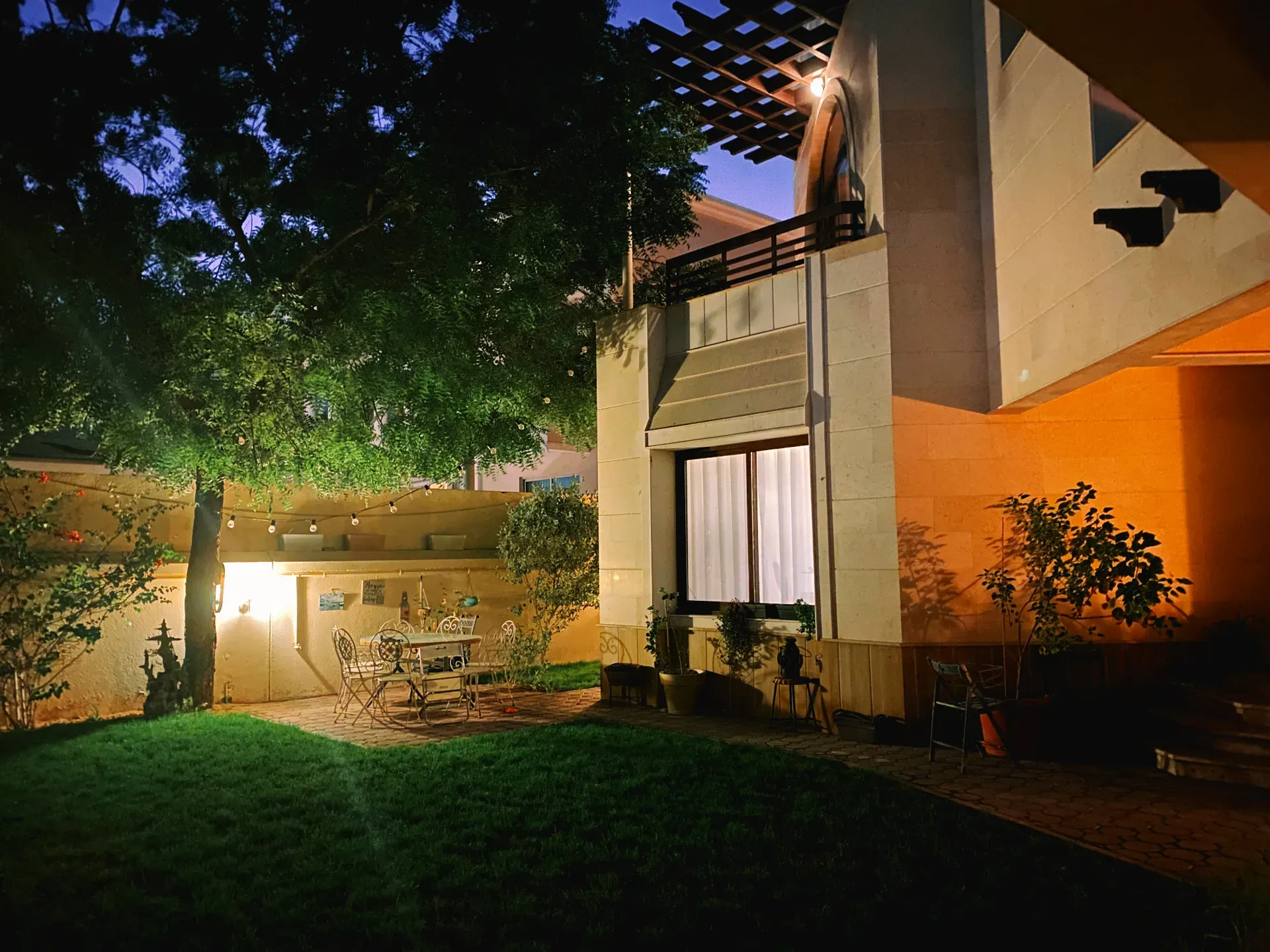
There was a real yard. Real grass. Real trees. A real two-storey villa in Jumeirah — almost that very Dubai family dream they show people before a move, while they still do not know what it costs to replace an air-conditioning compressor in August.
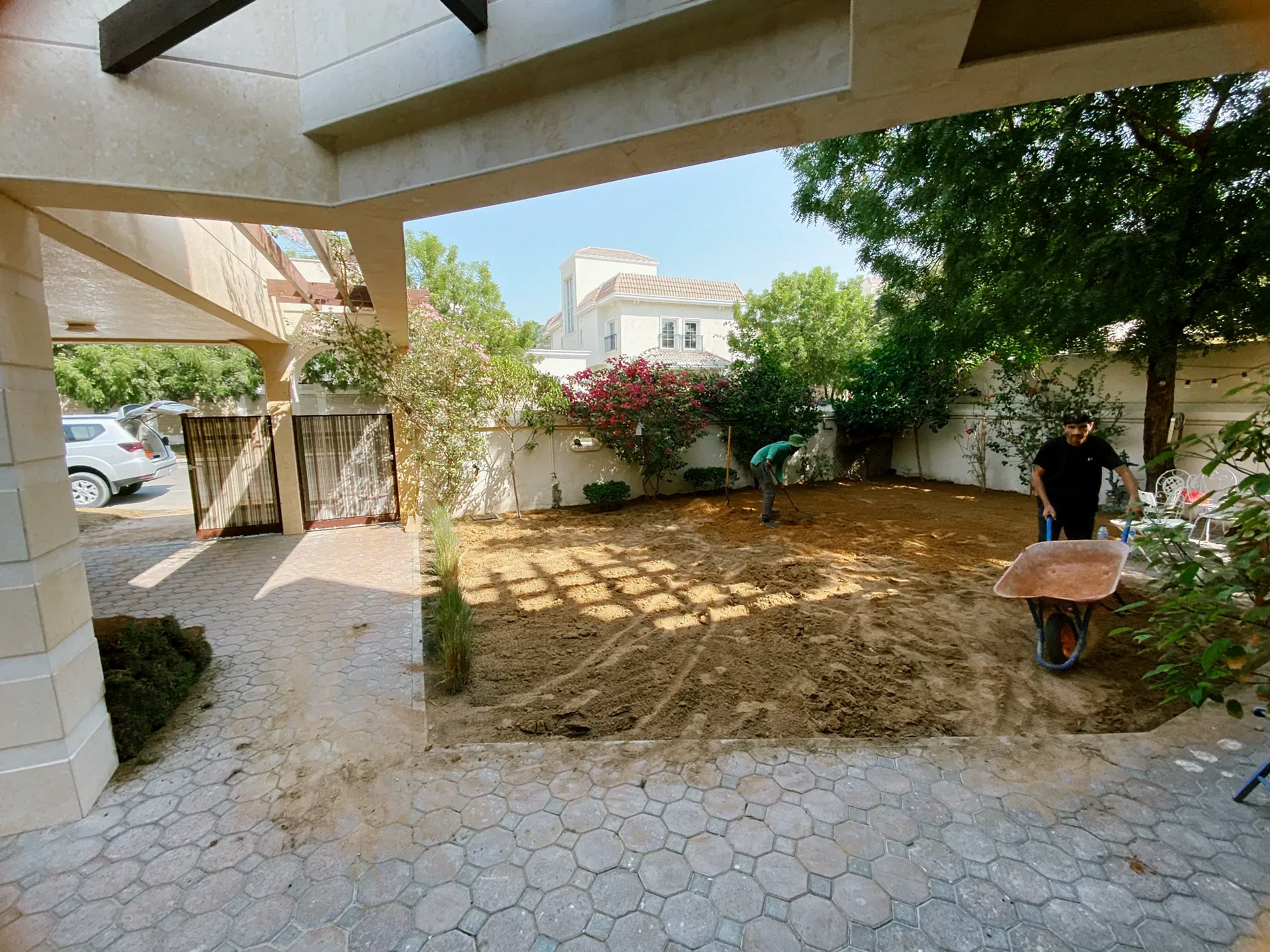
The children were little. Dasha was barely more than a baby. She lived in her slow, childhood time, walked through the garden with our Filipina Cindy, studied the flowers, picked things up from the ground and, most likely, assumed that this whole house, the trees and the searing blue sky had appeared solely for her.
Sanya and Kostya went to a school seven minutes away by car.
In Dubai, seven minutes is not a distance. It is a blessing.
You could load the children into the car in the morning, take them to school, come home and still remember who you had been before setting off.
Back then, it seemed we had found the perfect geometry of life: school close by, sea close by, a garden beneath the windows, little children, a big house.
What more could anyone want? Human beings, however, are ungrateful creatures and know very little about waterproofing.
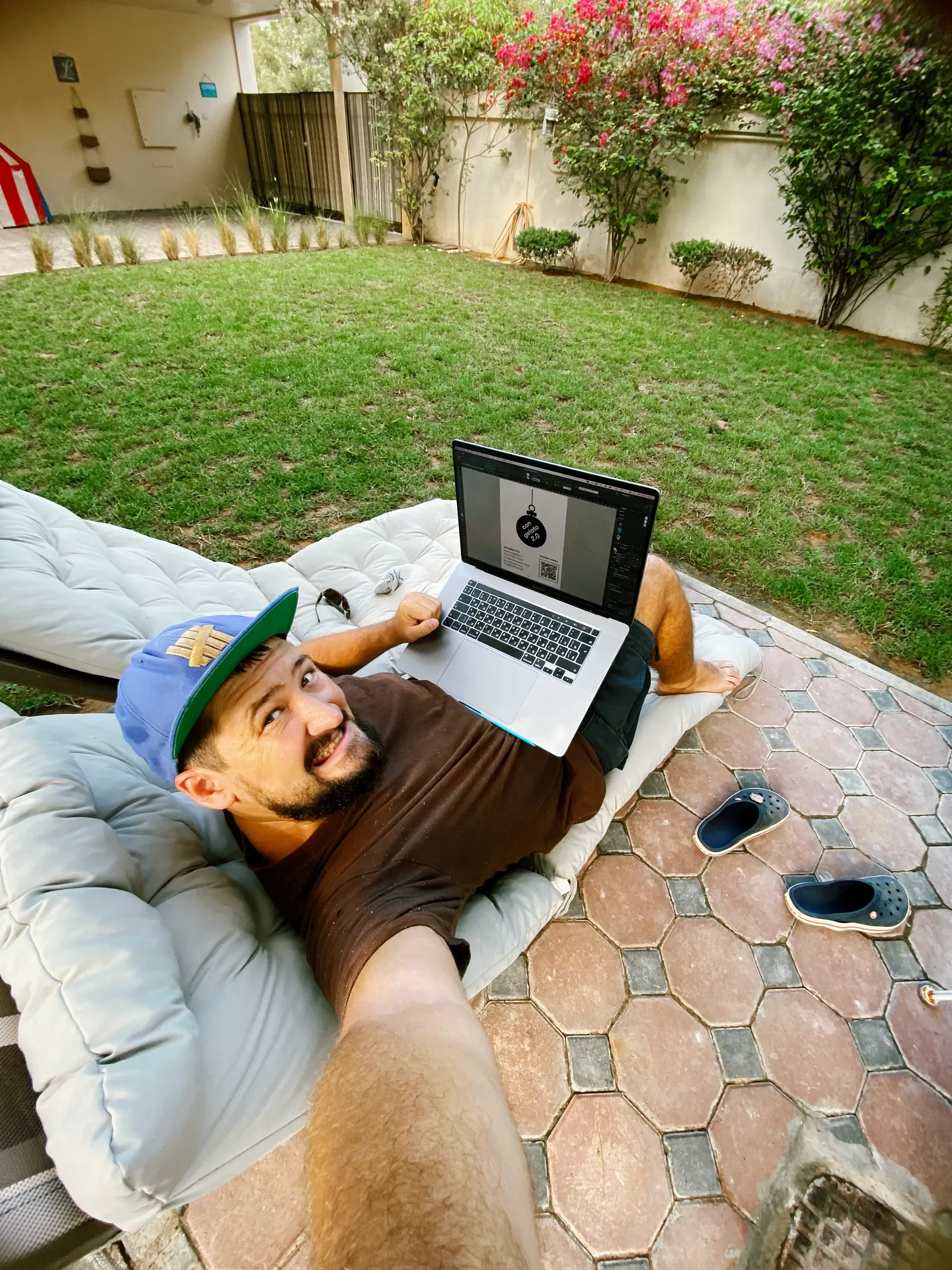
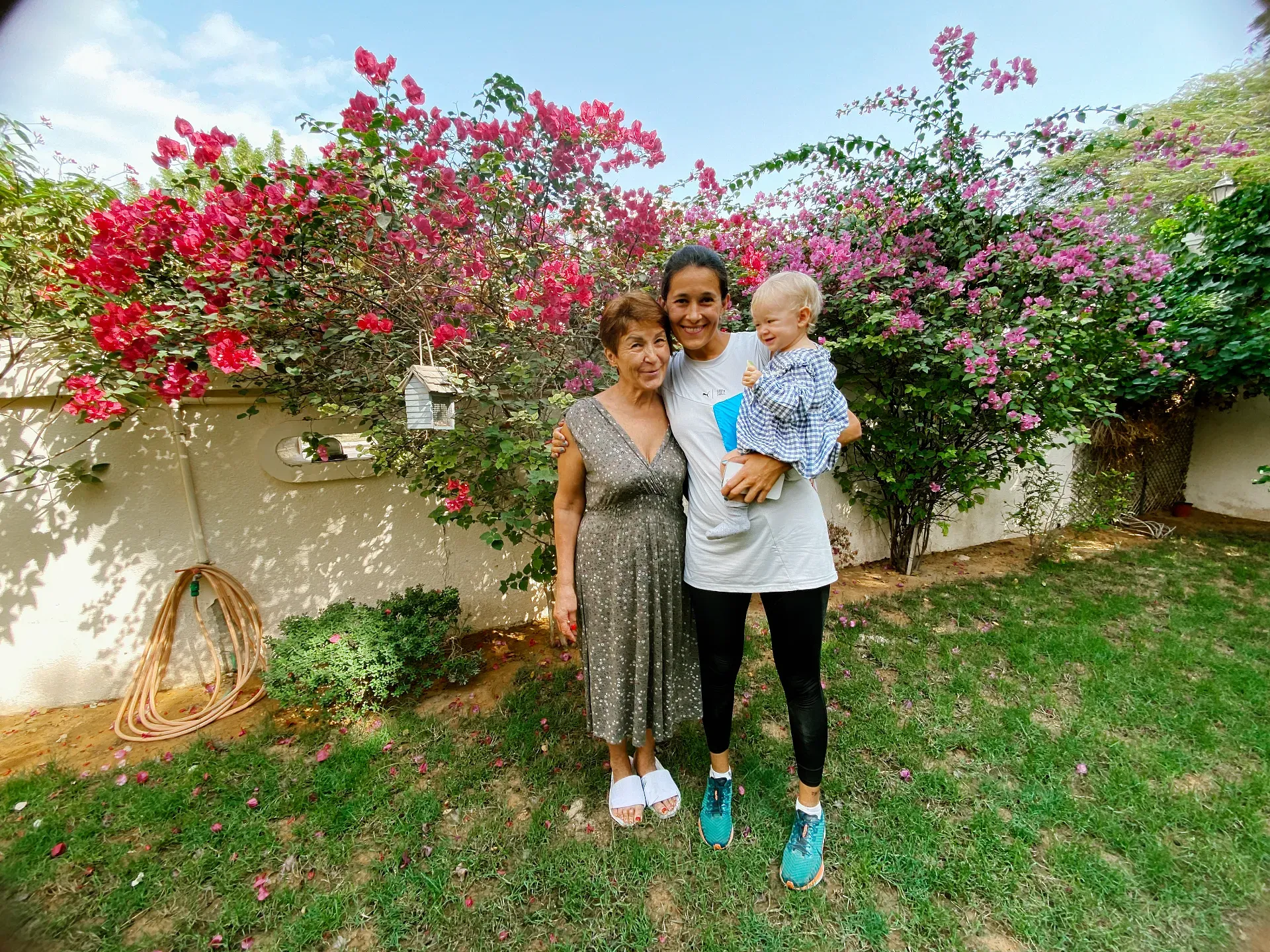
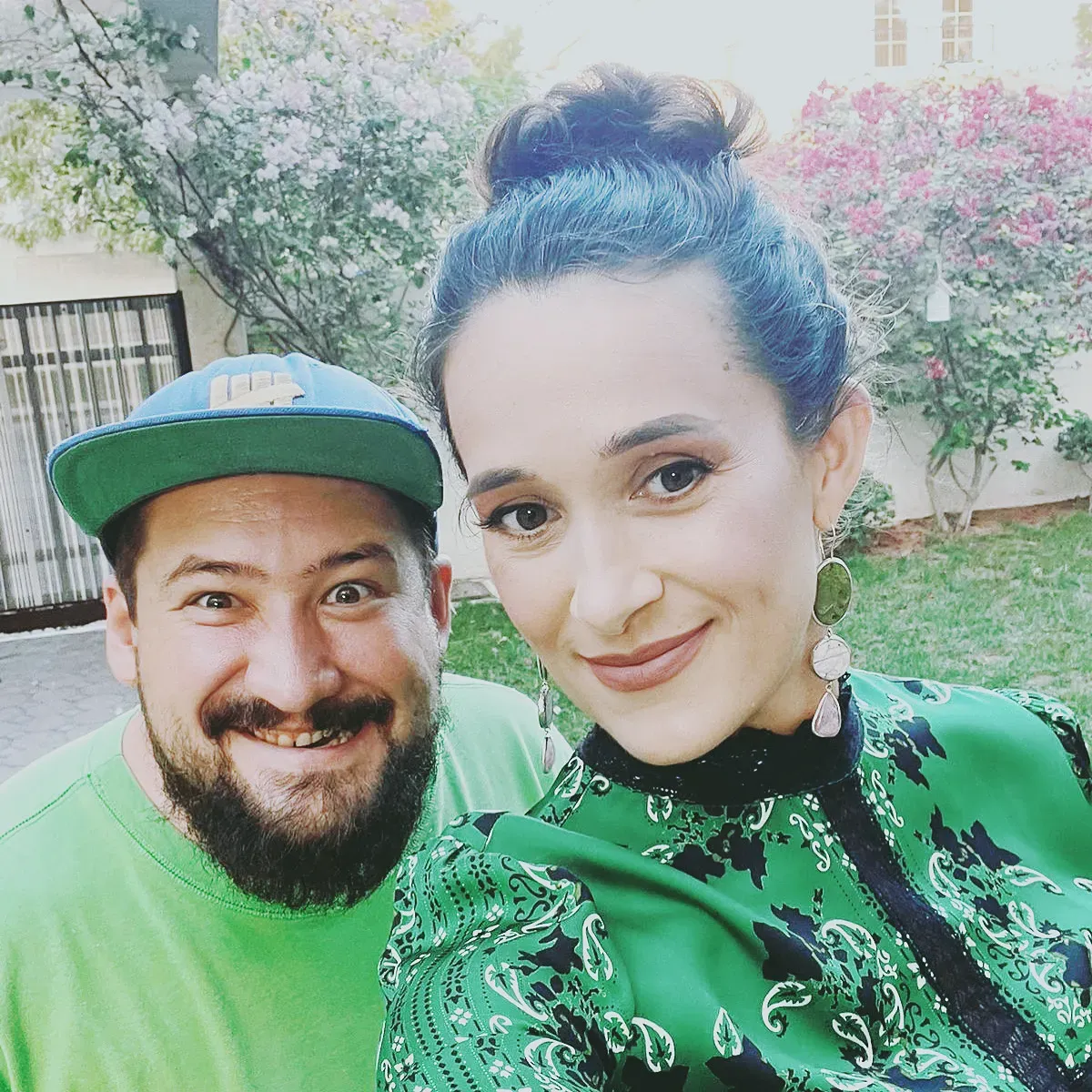
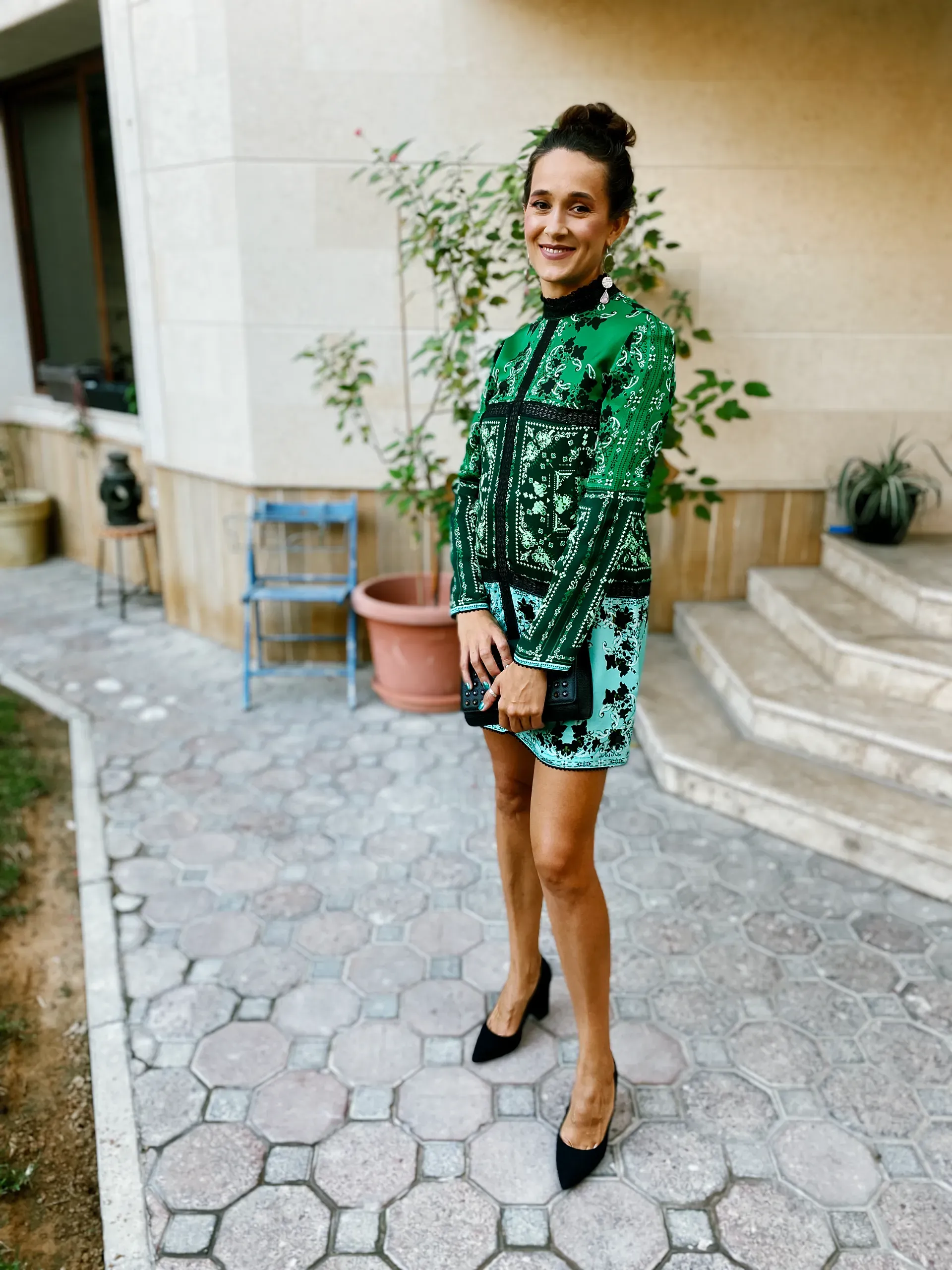
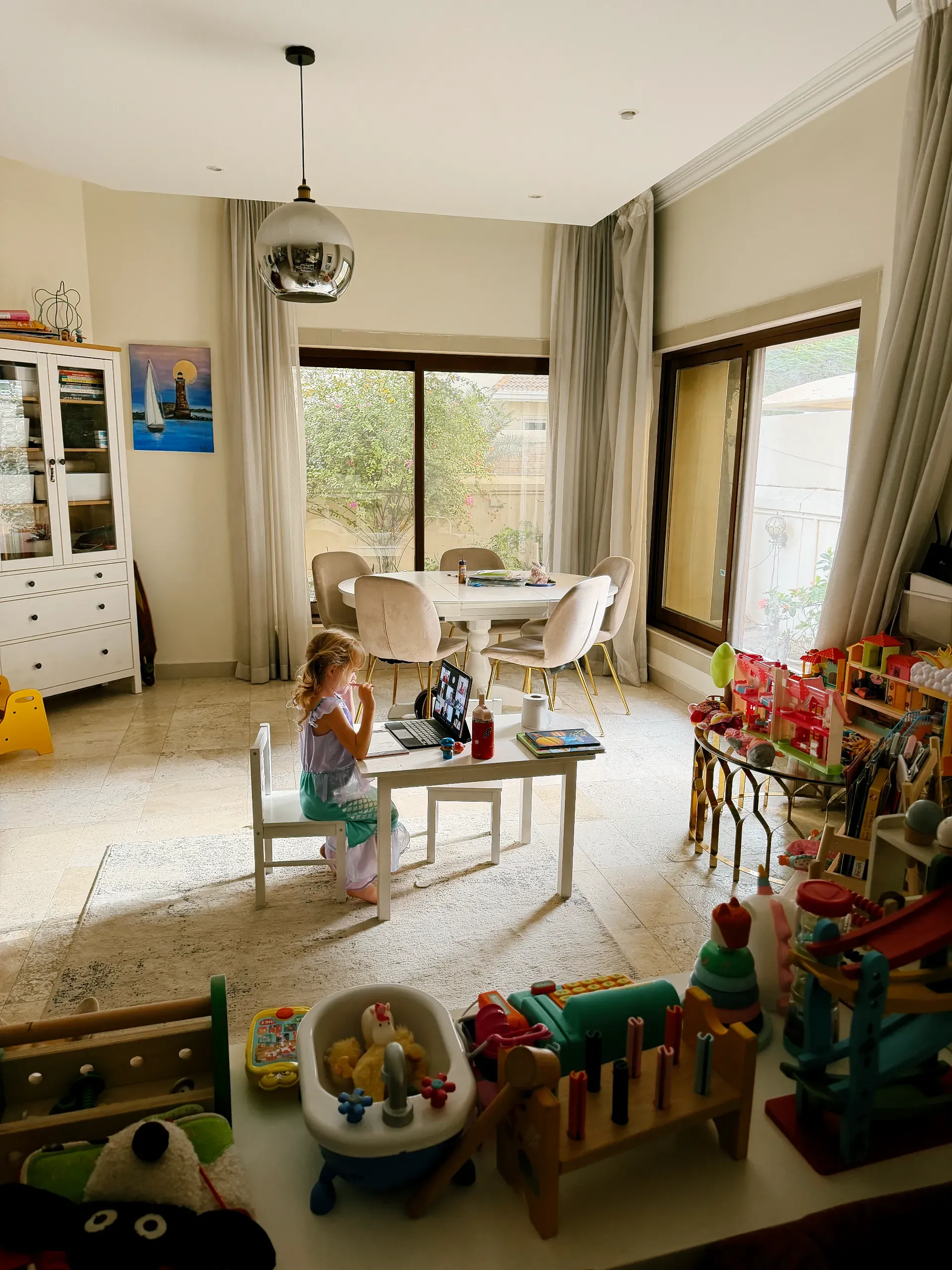
Working days at the villa: bottom left, Beauty and the Beast; bottom right, simply beauty; top left, me working on my café website; top right, grandmother, granddaughter and daughter
A republic of high walls
Umm Suqeim was quiet. Not the hotel-kind of quiet, carefully designed by people scattering beige cushions around a lobby, but the genuine quiet of old Jumeirah.
Families lived behind high walls. Large Arab families: in the evening, cars appeared, gates opened, grandmothers, uncles, aunts, cousins, children, food, presents and several more people arrived — people whose relation to anyone the European mind was no longer capable of establishing.
But all that life happened inside the plots.
Each villa was a separate state, with its own foreign policy, inner courtyard and closed borders.
In one house, meat was being grilled. In another, children played. In a third, someone turned on music with dependable regularity. But outside, we met almost no one.
There was no communal pool, park, playground or the great achievement of human civilisation: a neighbours’ WhatsApp group.
You could not write:
— Neighbours, has anyone’s power tripped again? — and receive fifteen messages, three photographs of a breaker box, the number of an electrician called Mohammed and a small argument about who parks incorrectly beside the bins.
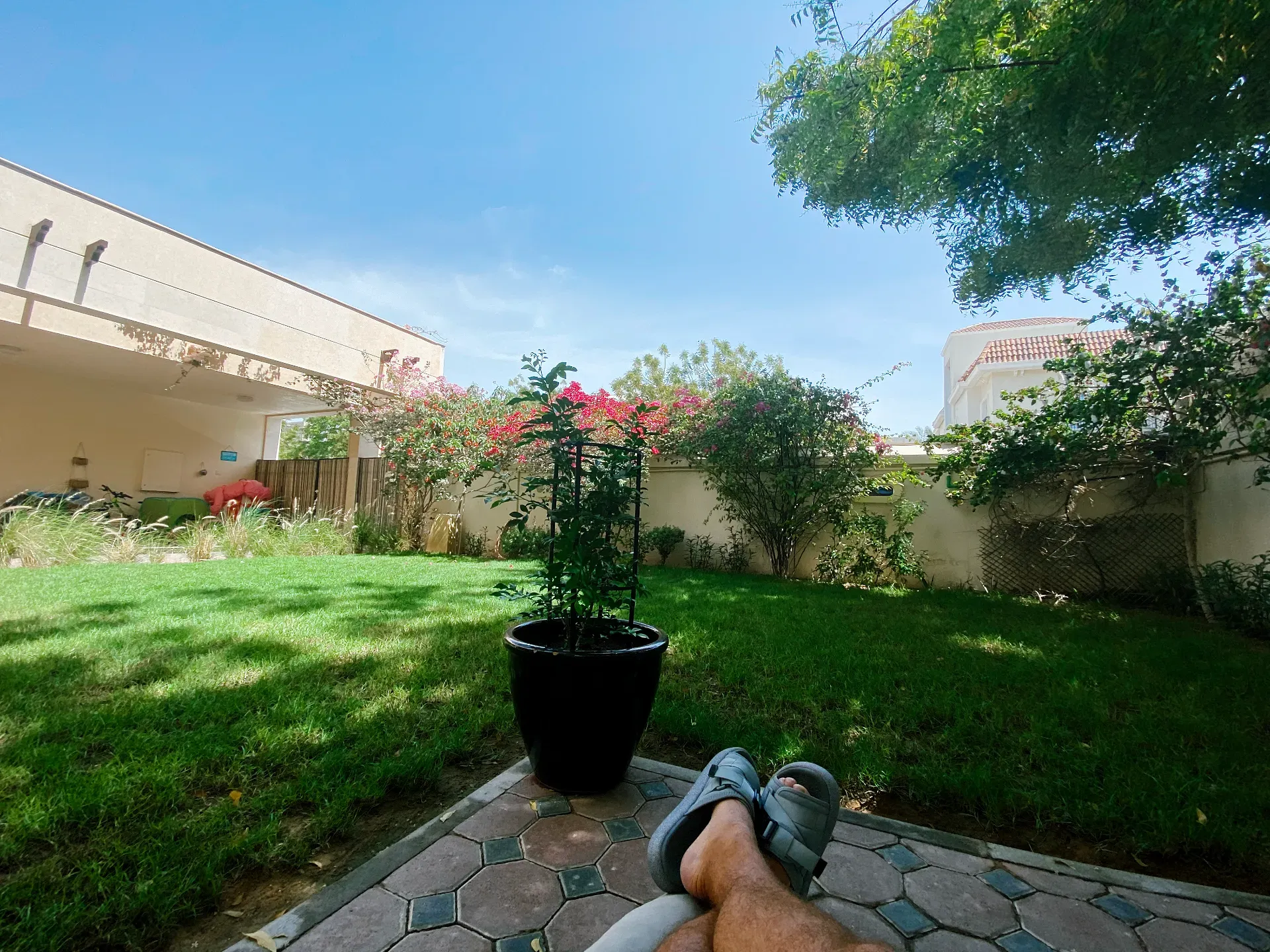
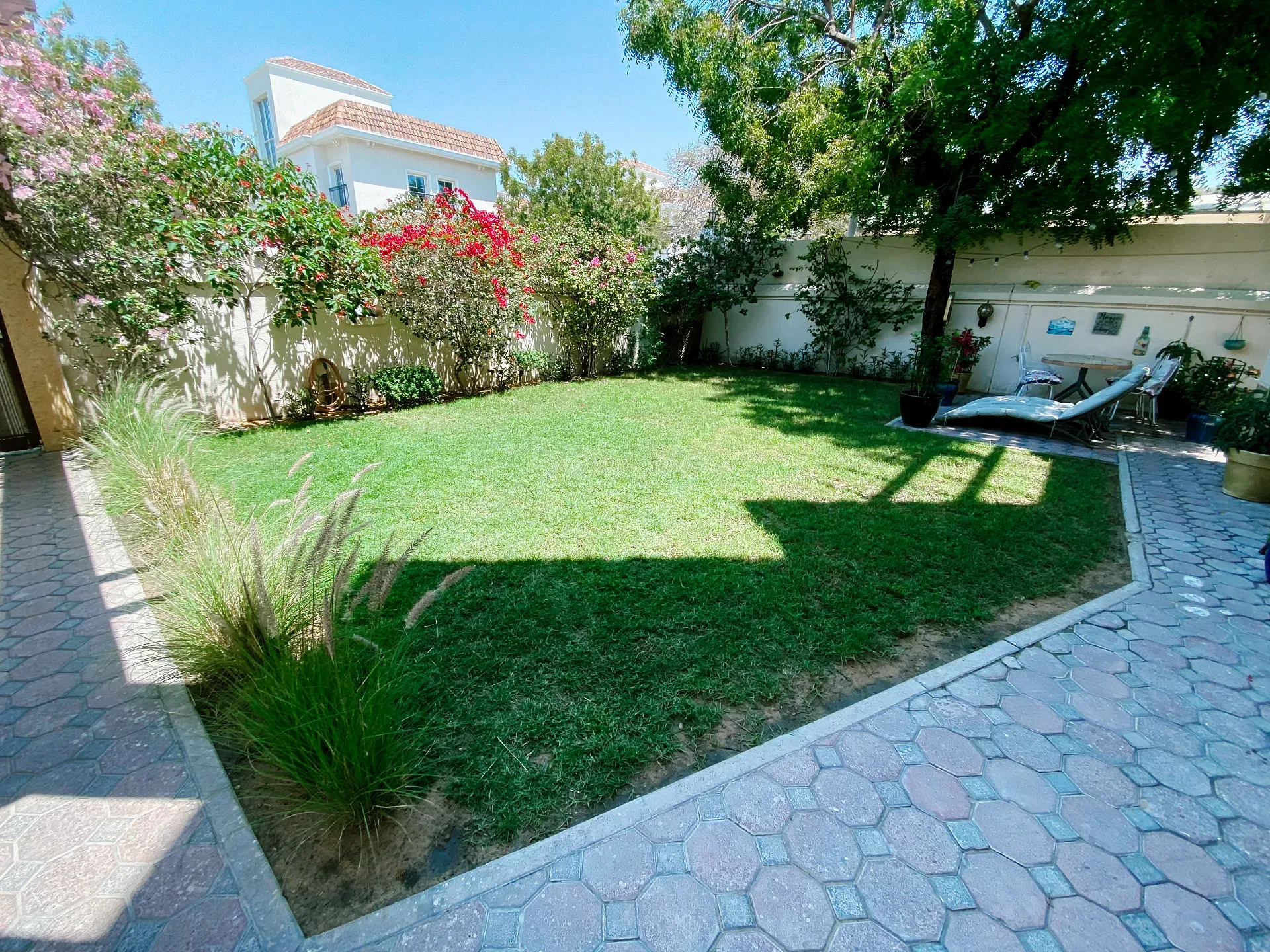
A rather beautiful villa garden — the view from the sunbed and from the porch
We lived separately. The neighbours lived separately. Even the street cats seemed to observe the borders of each plot and travel only on diplomatic visas. And while the children were small, everybody was content. The garden, the toys, one another and Cindy were enough for them.
But children have the awkward habit of growing up. Before long, the boys’ own yard was no longer enough. They needed friends, bicycles, football, loud company and the freedom to run out of the house without arranging a meeting through their parents three days in advance.
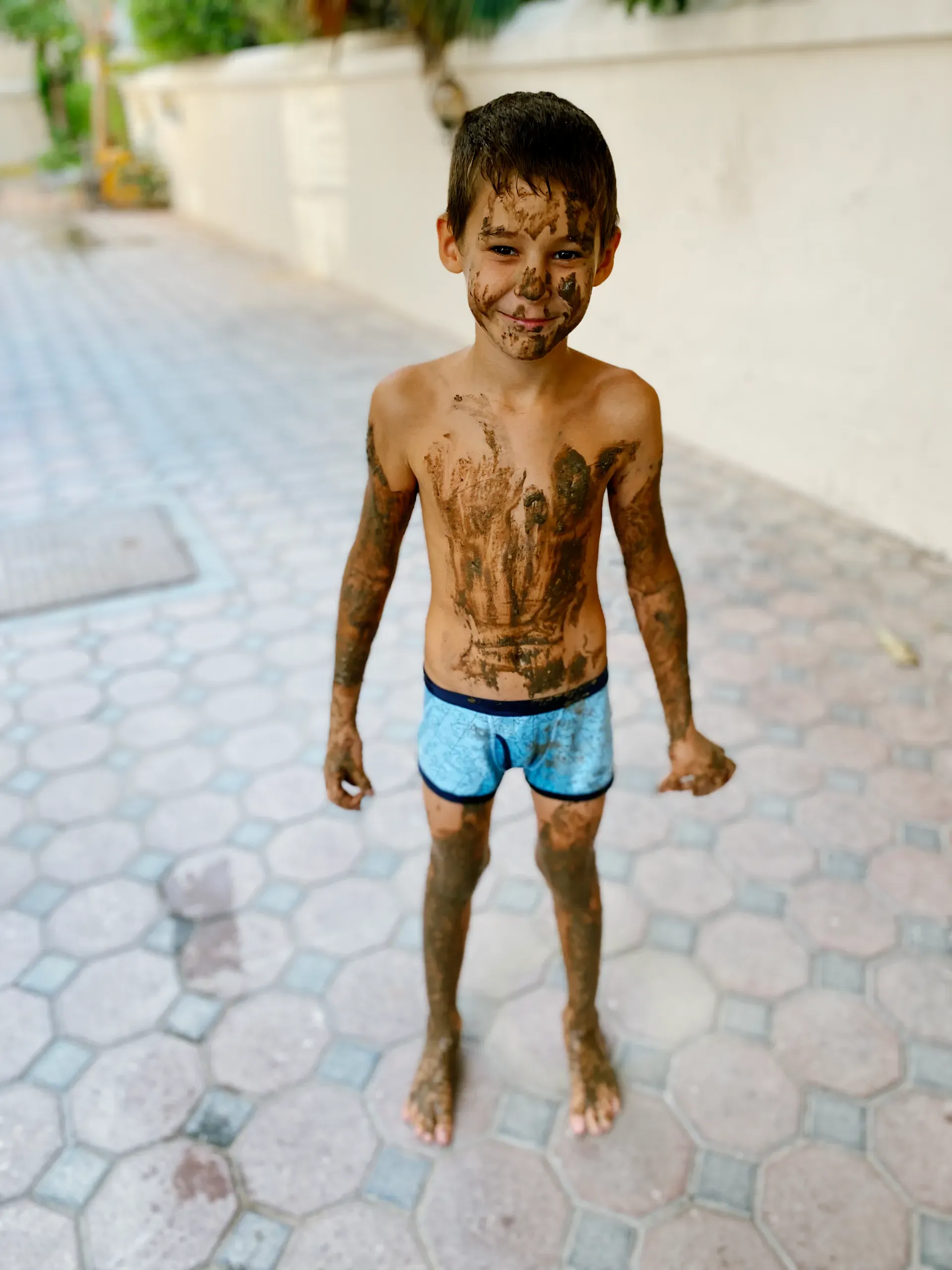
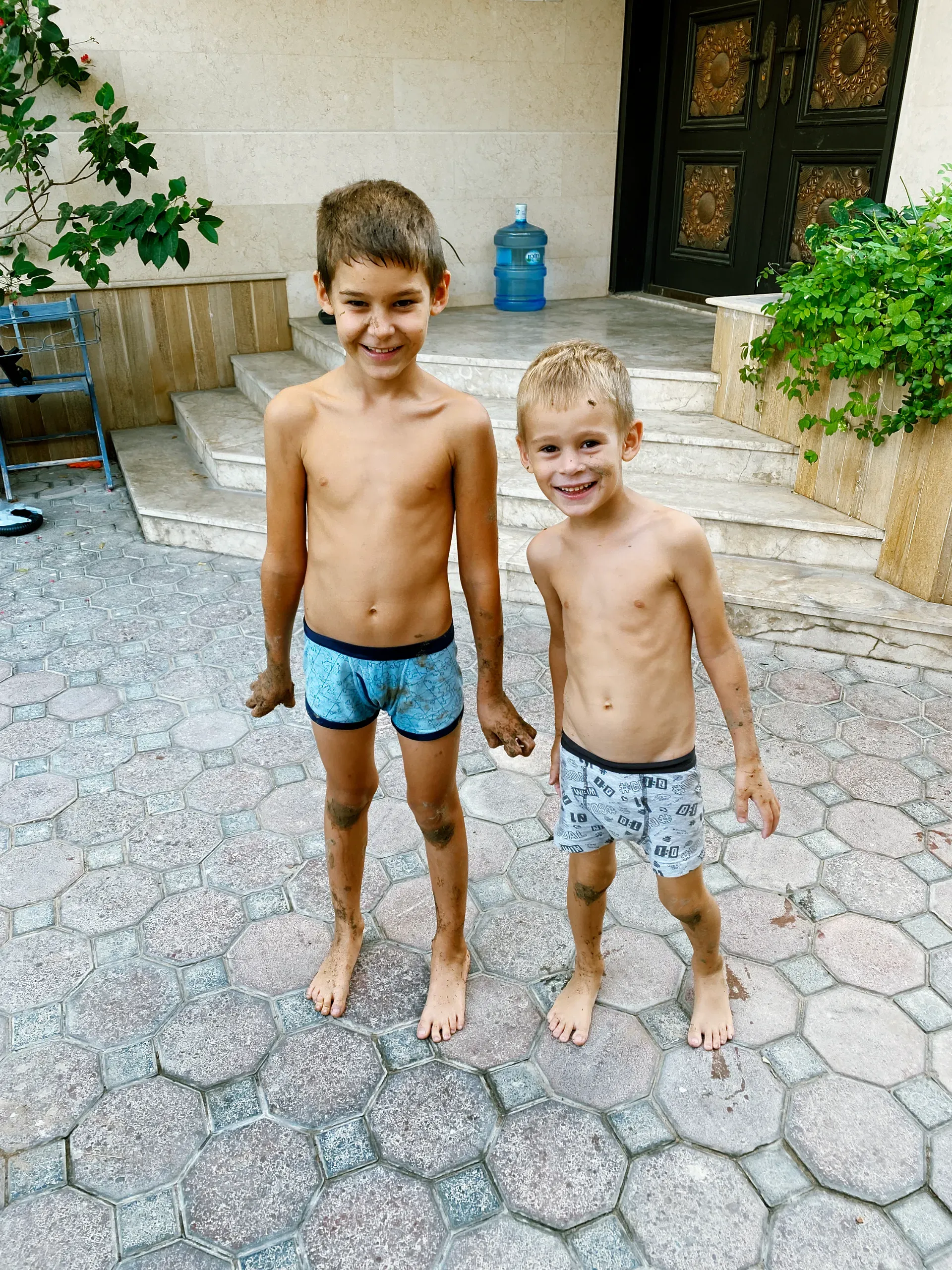
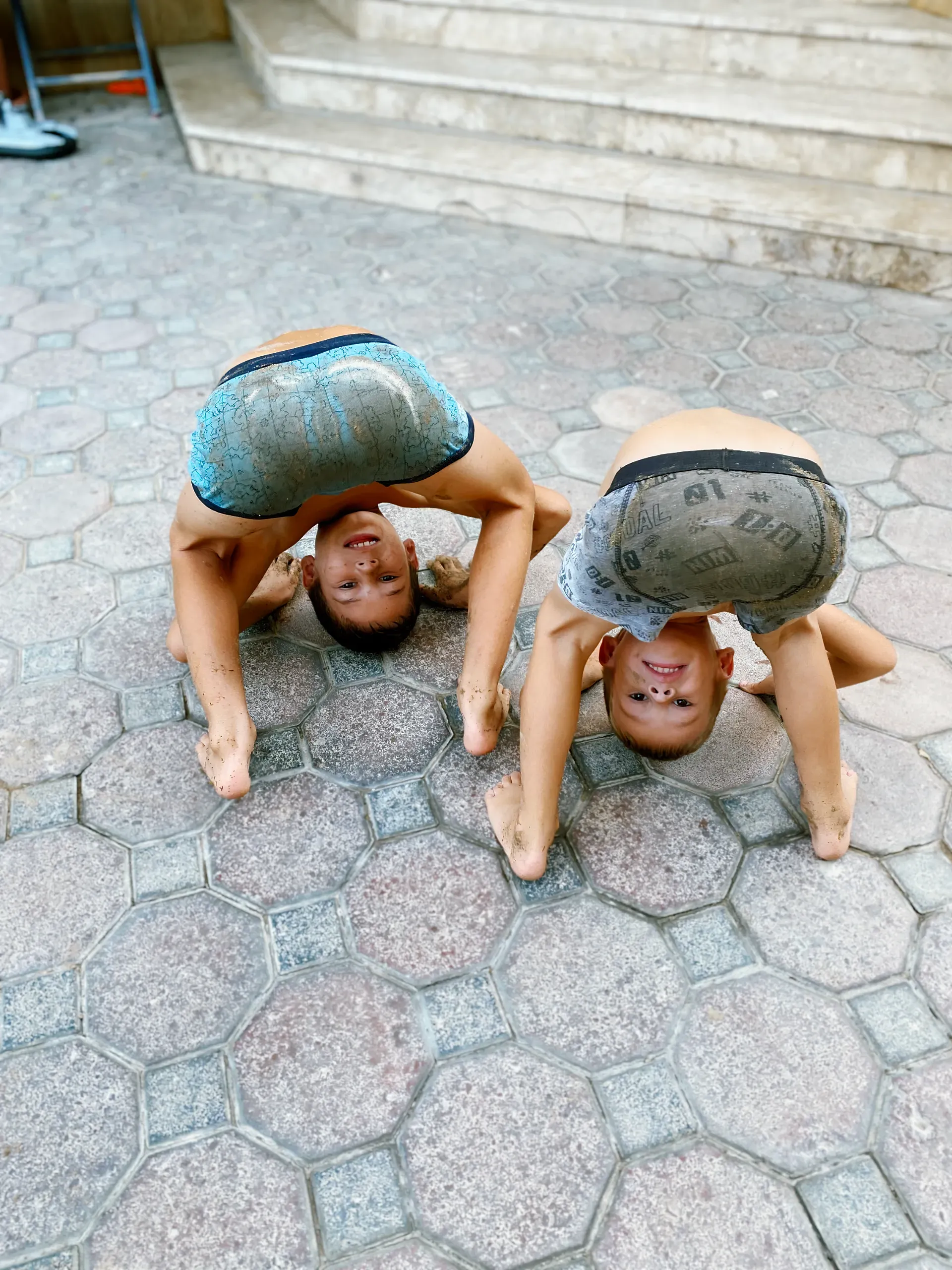
The children loved the villa and dug in the earth a little more than constantly!
The villa could give them space. It could not give them a world. So we began transporting their social lives by car: Dubai Hills Park one day, a classmate’s house the next. From classmates’ houses. To birthday parties. From birthday parties. We invited friends over, drove them back, planned walks, coordinated times, and gradually became a small family transport company with three passengers, a fluctuating schedule and negative profitability.
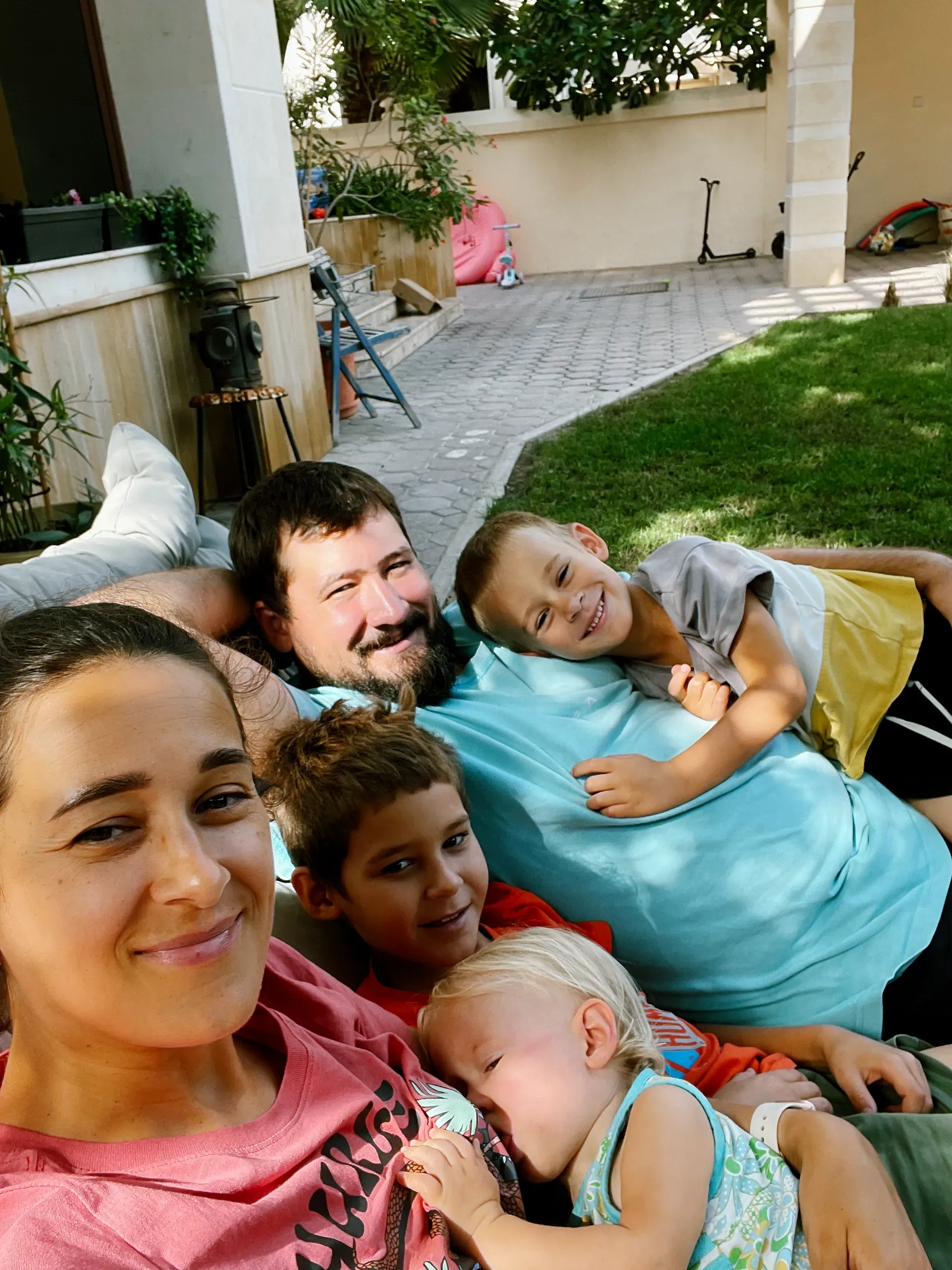
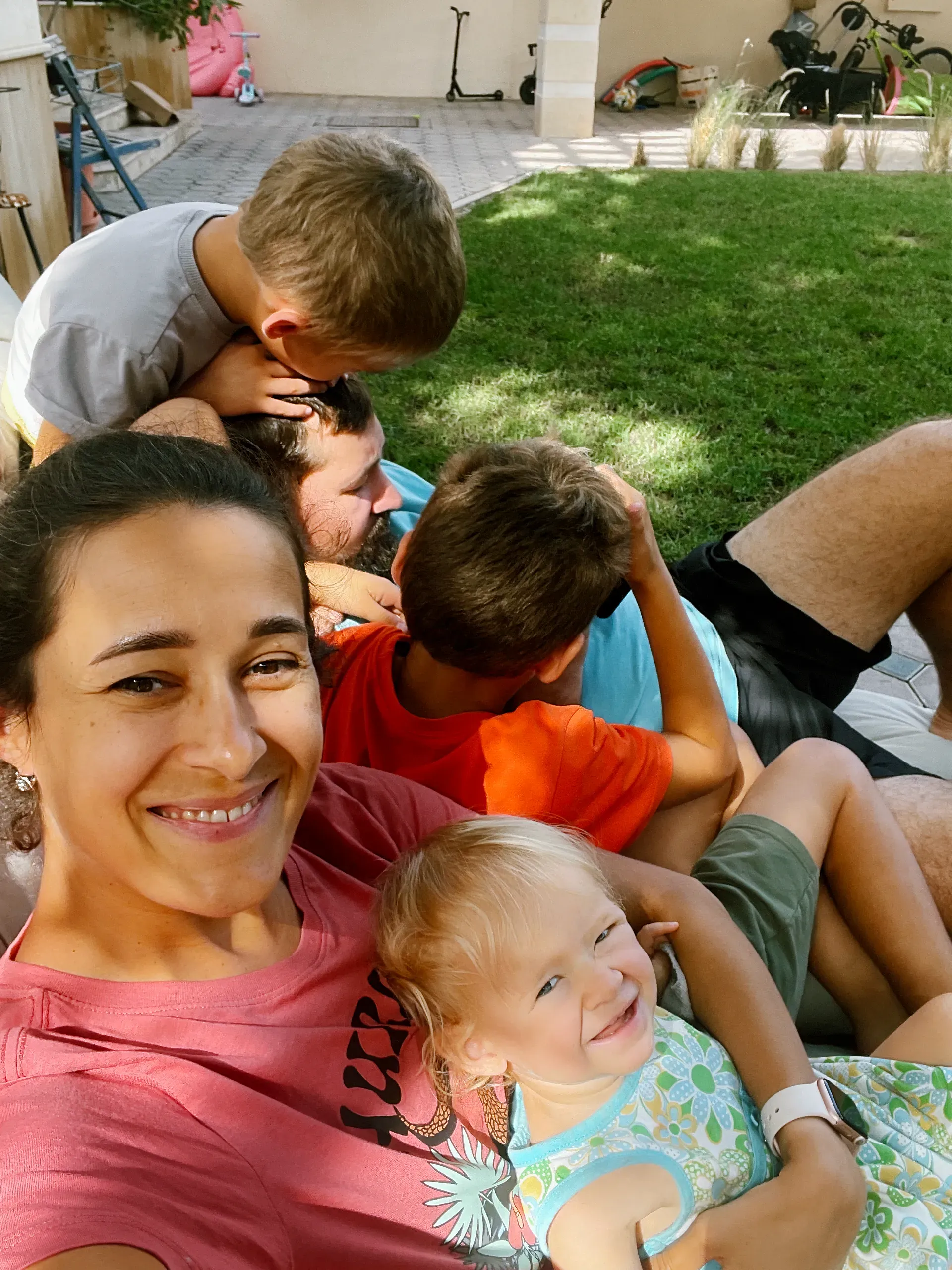
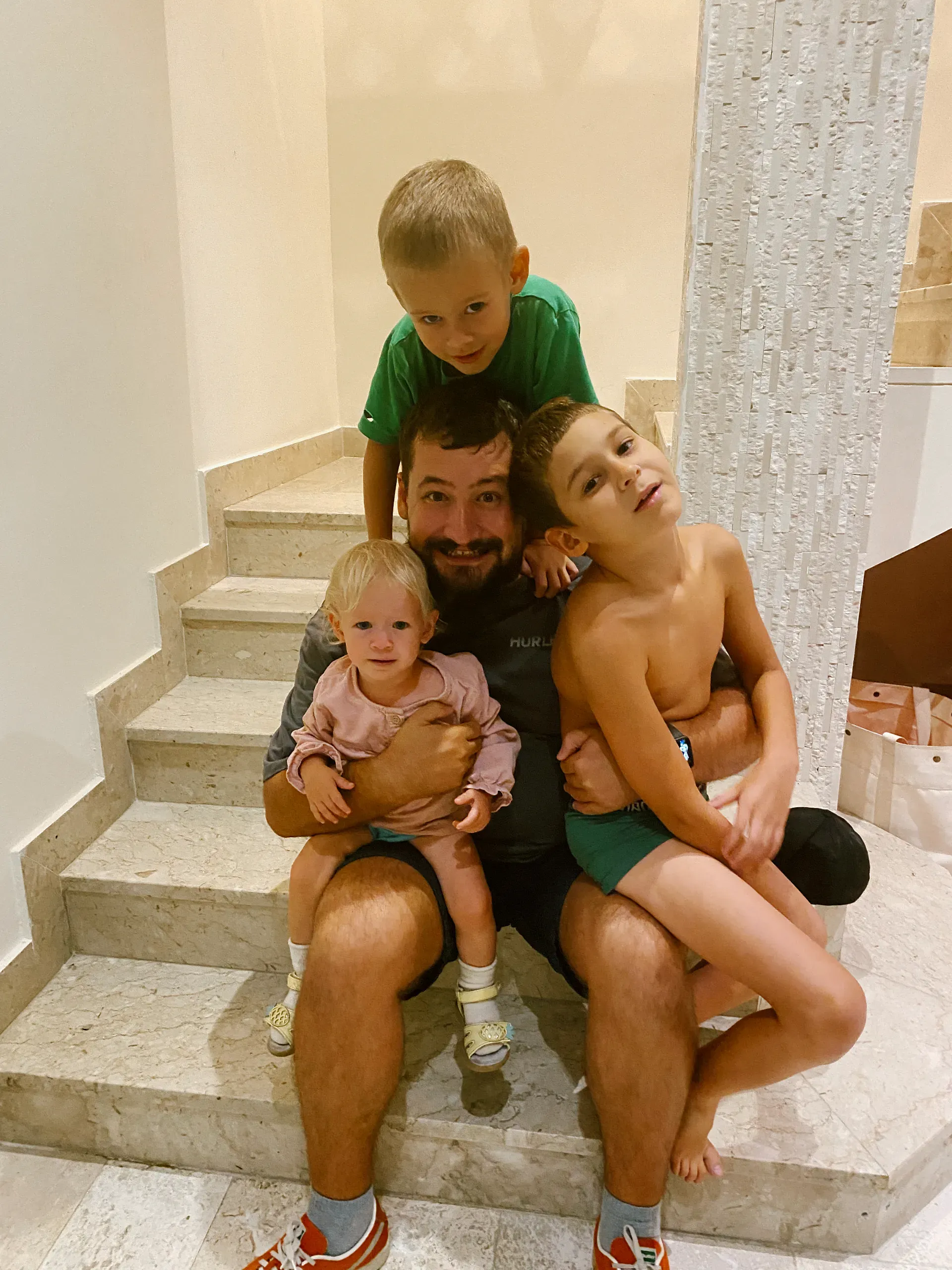
Family everyday life in our little Umm Suqeim villa
Our sea
But we had Kite Beach. There was no private pool at the villa, yet the sea began a ten-minute walk away.
Five minutes by car, if the traffic lights were kind and the city’s spirits of traffic did not require a sacrifice of forty minutes of your life (which also happened in season, when Kite Beach parking overflowed with visitors and the little nearby Arab streets froze in a kilometre-long traffic jam).
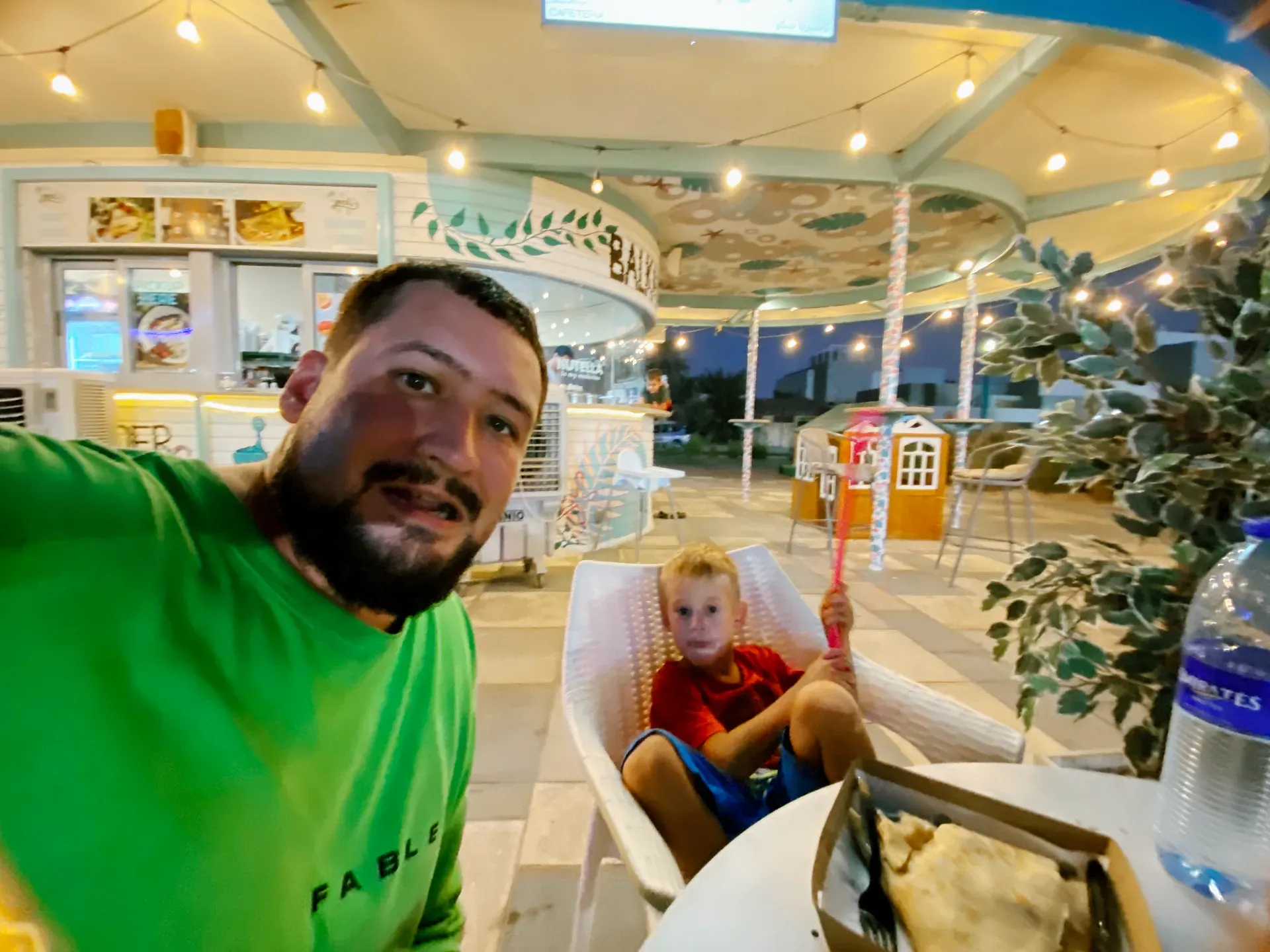
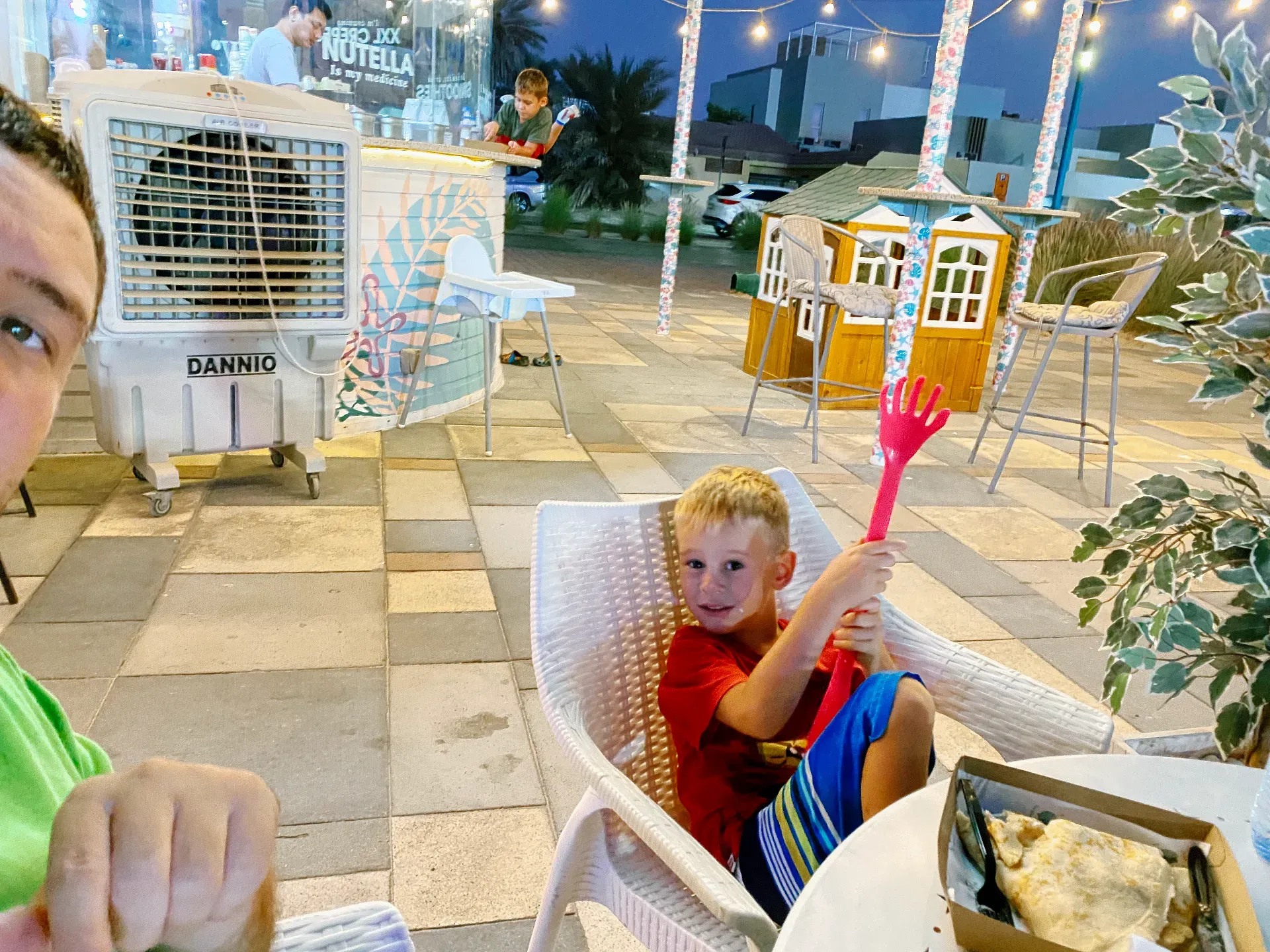
Our favourite little pancake café at Kite Beach • Gecko Cafeteria https://maps.app.goo.gl/xiDAiP6d1sudhKiF8
There was our beloved little pancake café, Gecko. Our table. Our patch of beach. Our familiar road.
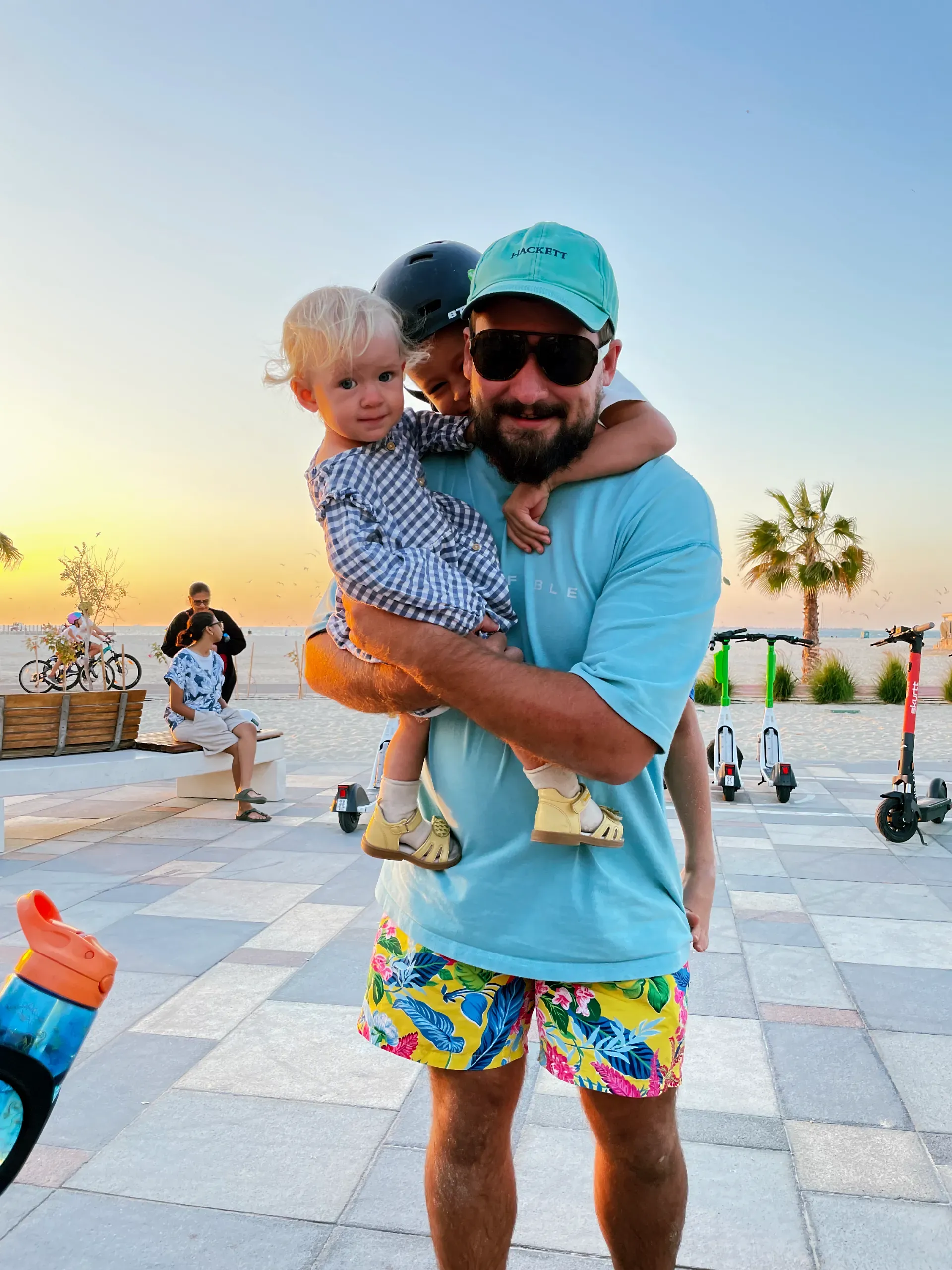
Every weekend — Saturday and Sunday — the whole family went there. Sometimes we swam, sometimes we had breakfast, sometimes we simply sat and looked at the water while the children tore across the sand doing childhood’s most important work: digging canals, building forts, quarrelling, making peace and trying to carry half the Persian Gulf home in a plastic bucket.
That is how Kite Beach became part of our home. A home does not end at the garden gate. It stretches further — through familiar roads, parking spaces, cafés, shopkeepers, beach paths and people who already recognise you, although no one has ever actually introduced themselves.
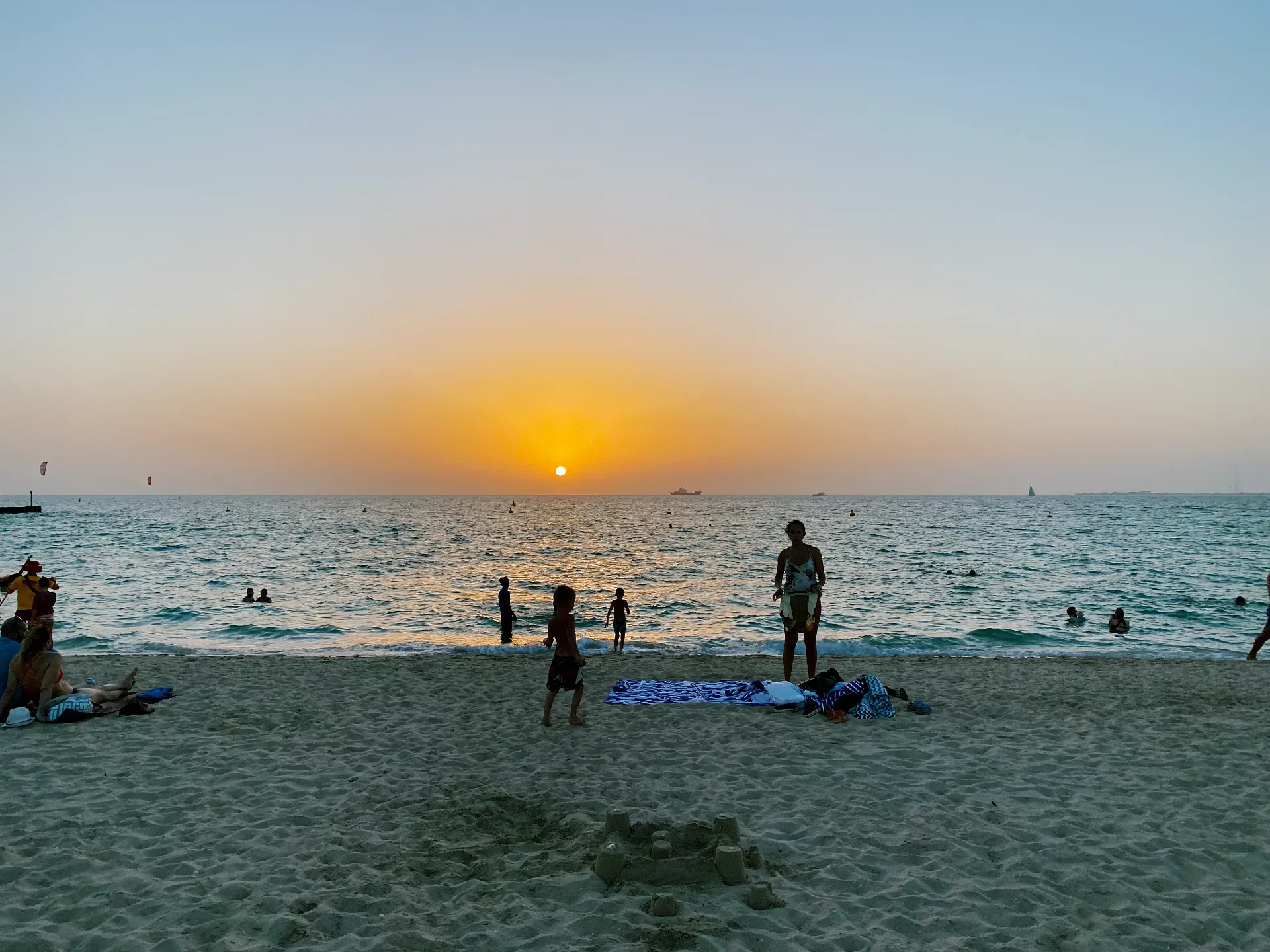
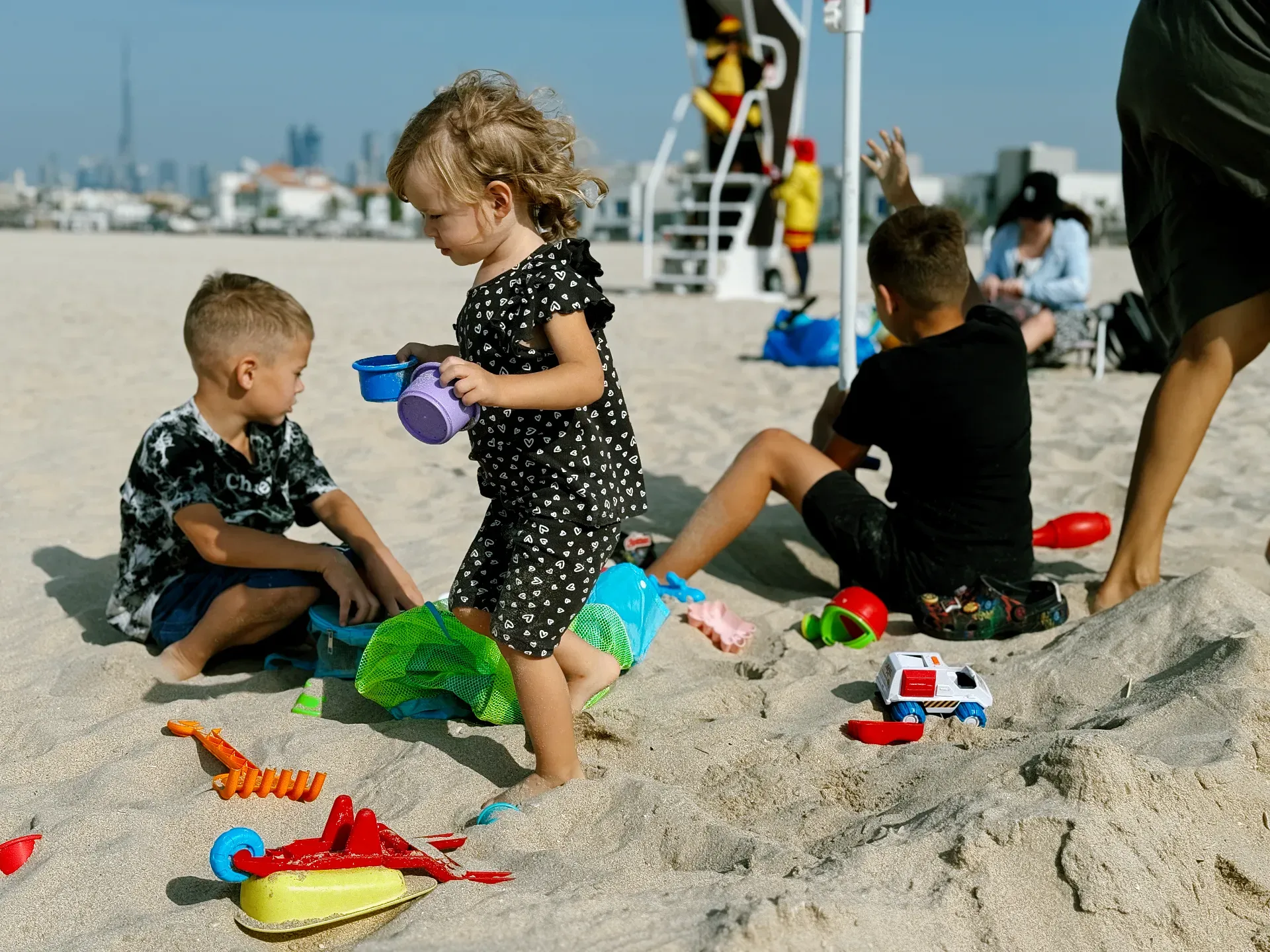
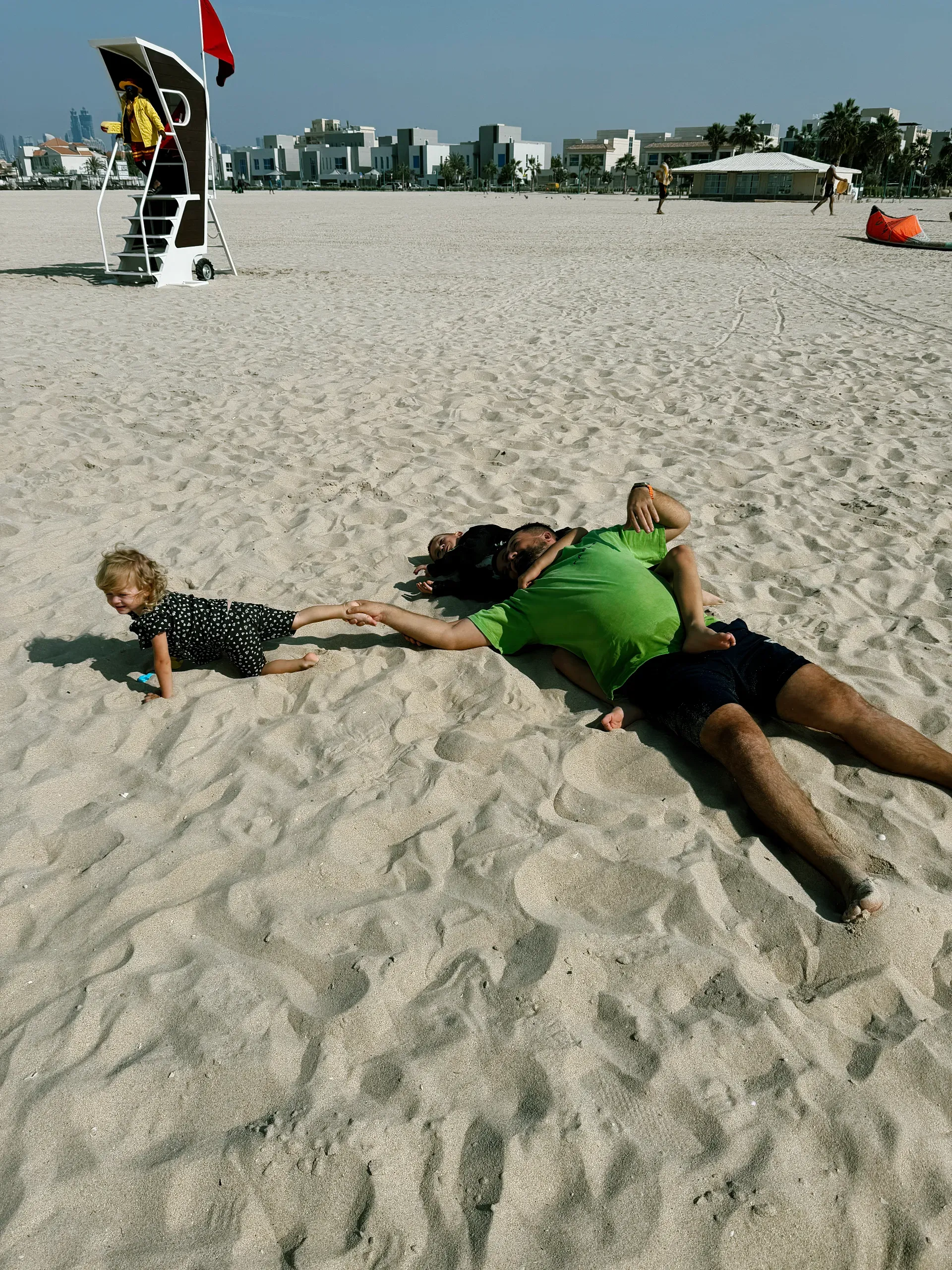
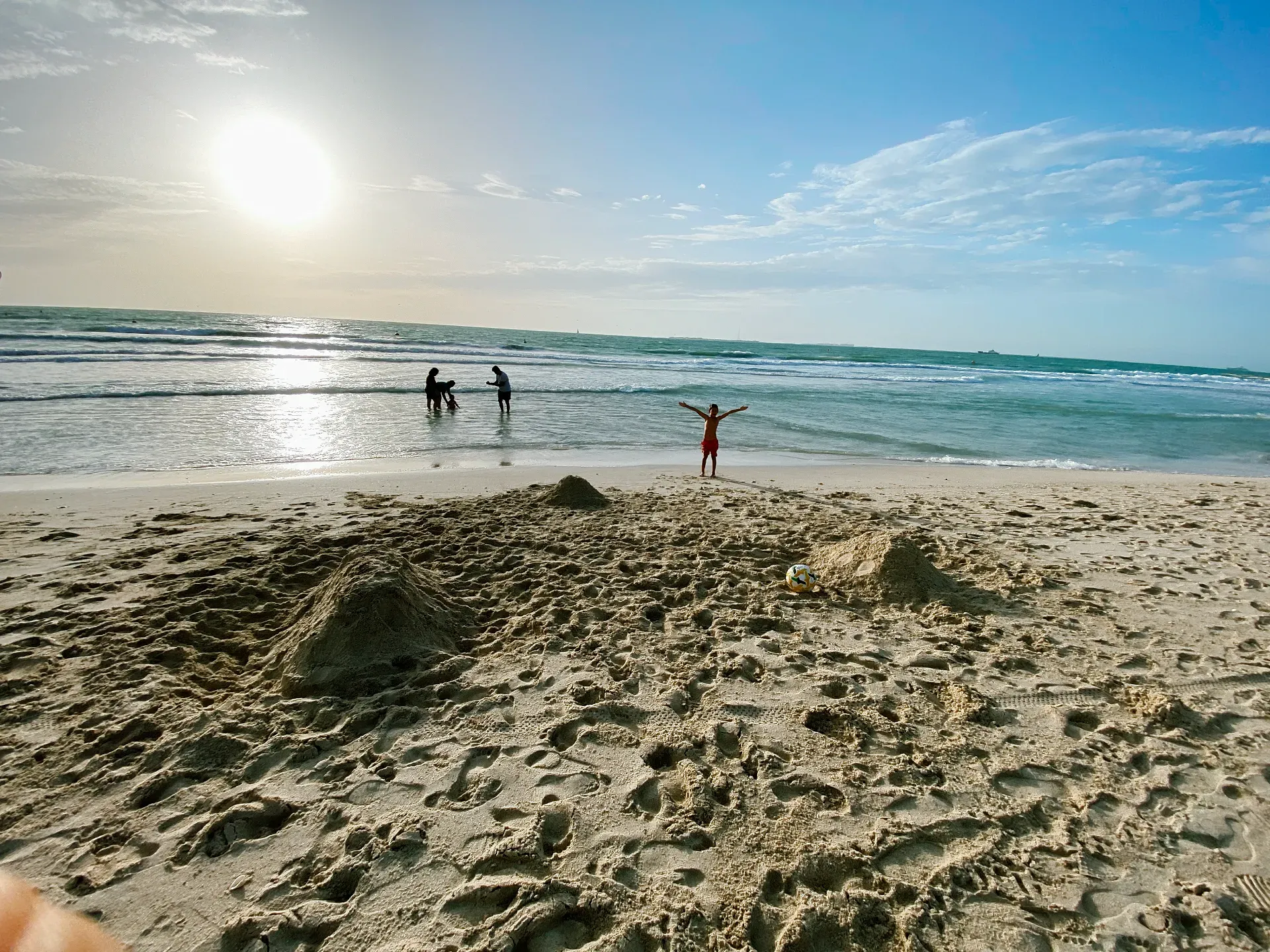
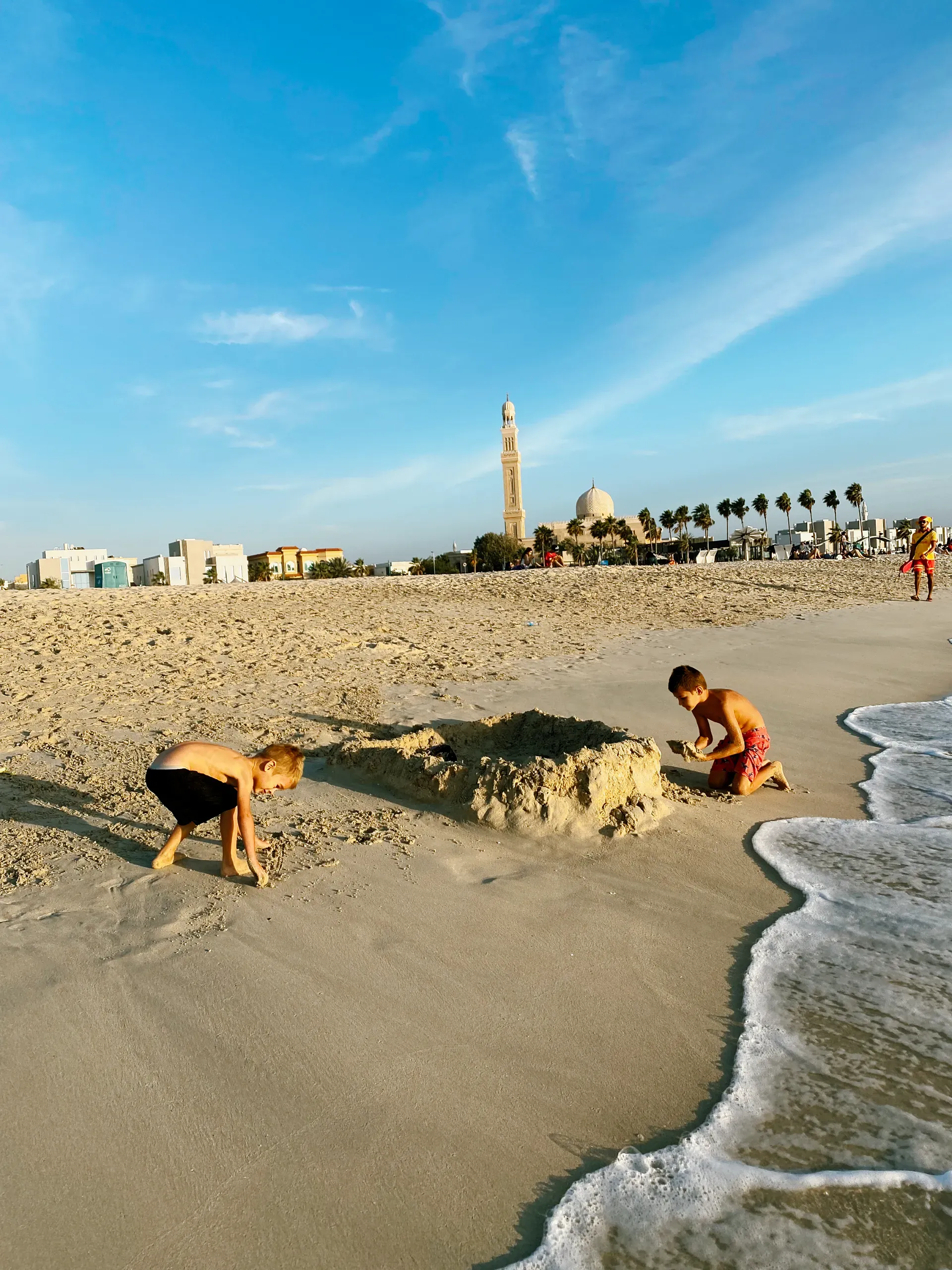
Happy family life at the beach
Then they began building an island in the sea. First came the barriers. Then the machinery. Then barges, cranes, landfill and Dubai’s mighty construction will, which, if necessary, has no trouble moving the shoreline a little.
Our favourite stretch of beach began to change. The sea retreated. The horizon filled with works. And we moved to the night beach nearer the Sail. Characteristically, we still go there — now from the Palm.
Because a new home can change an address, but it cannot always change a family’s geography.
Electricity lives on the roof
About a year in, the villa began to show its character.
At first, cautiously. One lightbulb burned out. Then another. Then an air conditioner broke. Then another air conditioner decided to support its comrade.
Air conditioners in an old Dubai villa do not exist as appliances at all. They are a separate form of social relations.
While they work, peace reigns between person and house. When they break, diplomacy ends, the state collapses, and the entire family gathers around the one surviving unit like an ancient tribe around its last source of water.
Every so often the electricity tripped. The breaker box responsible for returning civilisation was on the roof. Why there, precisely, remains unknown.
Presumably the architect believed electricity ought to be hard to reach, so that a person would not take it for granted.
So from time to time I would leave the house, find the ladder and ascend to the roof — towards the sun, the wires and my own destiny.
Below, the family remained. Above, the blazing roof lay waiting. Somewhere in the distance Burj Al Arab — the Sail, as locals affectionately call it — shimmered.
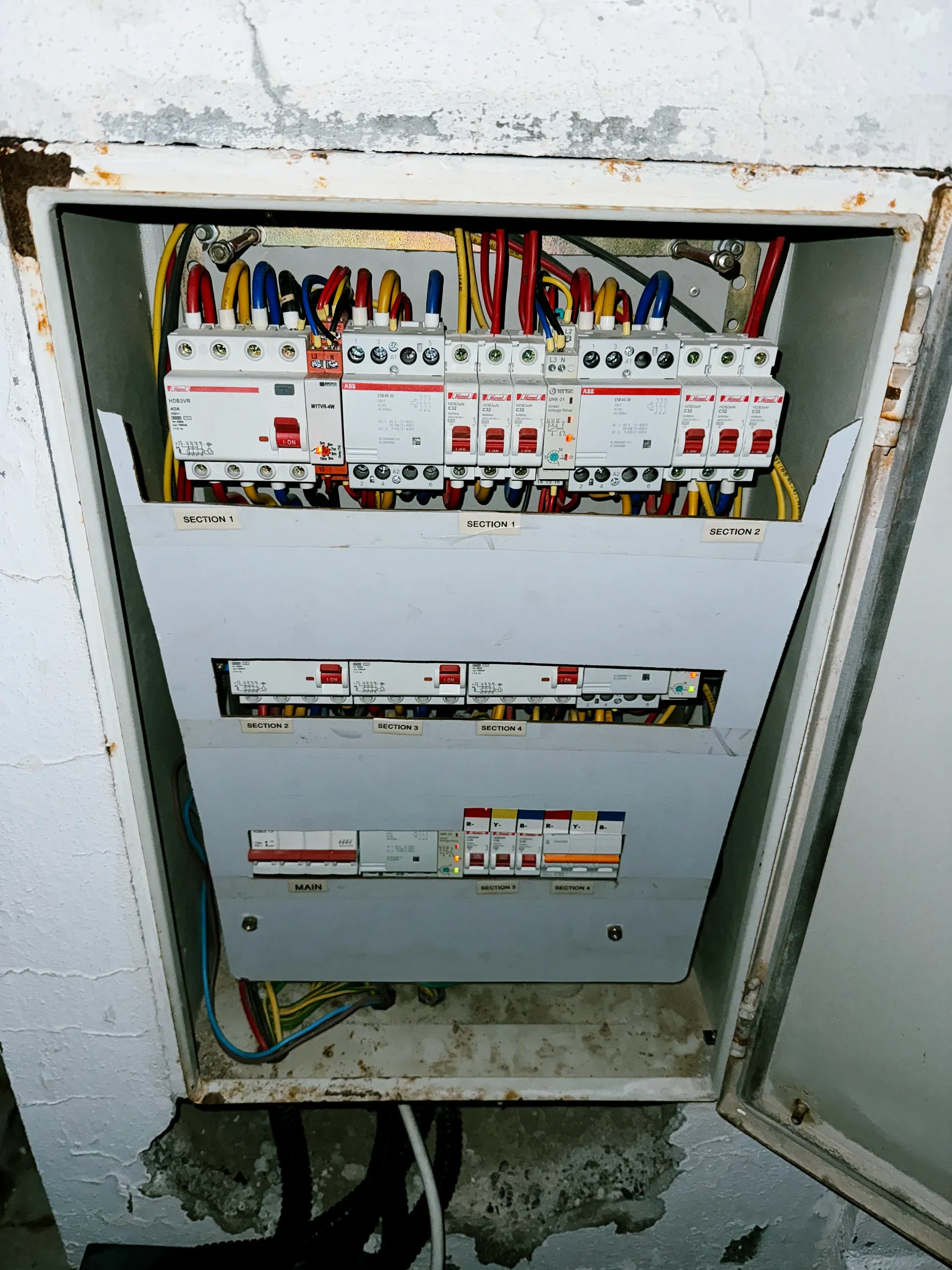
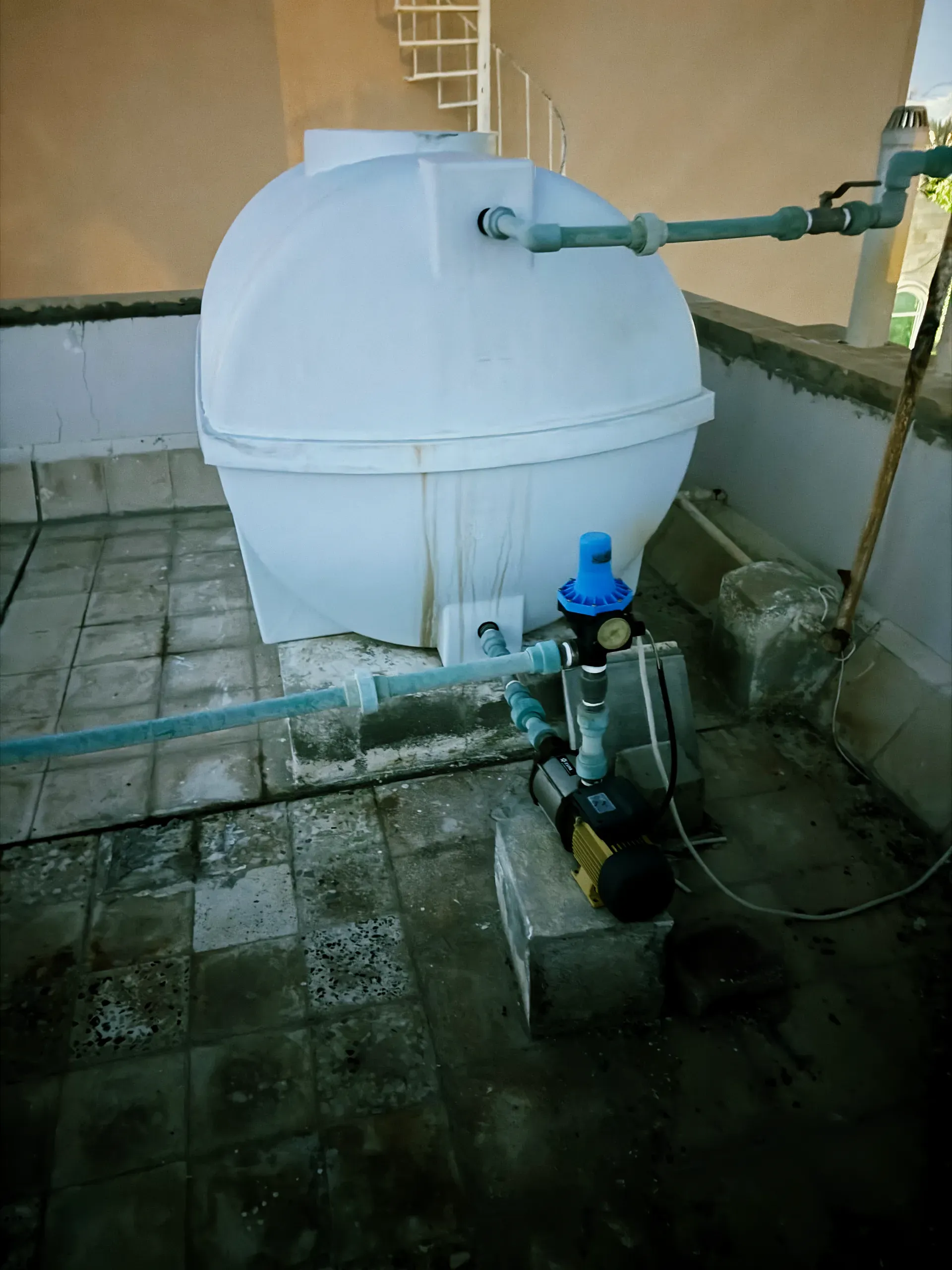
For some reason, the breaker box was on the roof, along with the water tank
And in front of me stood the breaker box: a small grey idol of the electrical age. I opened it, flipped the switch, and the house came back to life. The air conditioners began to hum, lights came on, the fridge returned to duty, and the children did not even have time to notice that their father had just single-handedly saved civilisation.
An old villa gradually gave a person new professions, generally.
Electrician. Plumber. A little bit of gardener. Air-conditioning specialist. Researcher of damp ceilings. Negotiator with the landlord. And simply a man standing in the middle of a room with a screwdriver, saying:
— So what now?
Rain comes in uninvited
And then the rain would begin. In Dubai, rain is rare, ceremonial and completely unprepared for by local real estate.
A modern city meets it with traffic jams. An old Arab villa meets it with the entire surface of its roof.
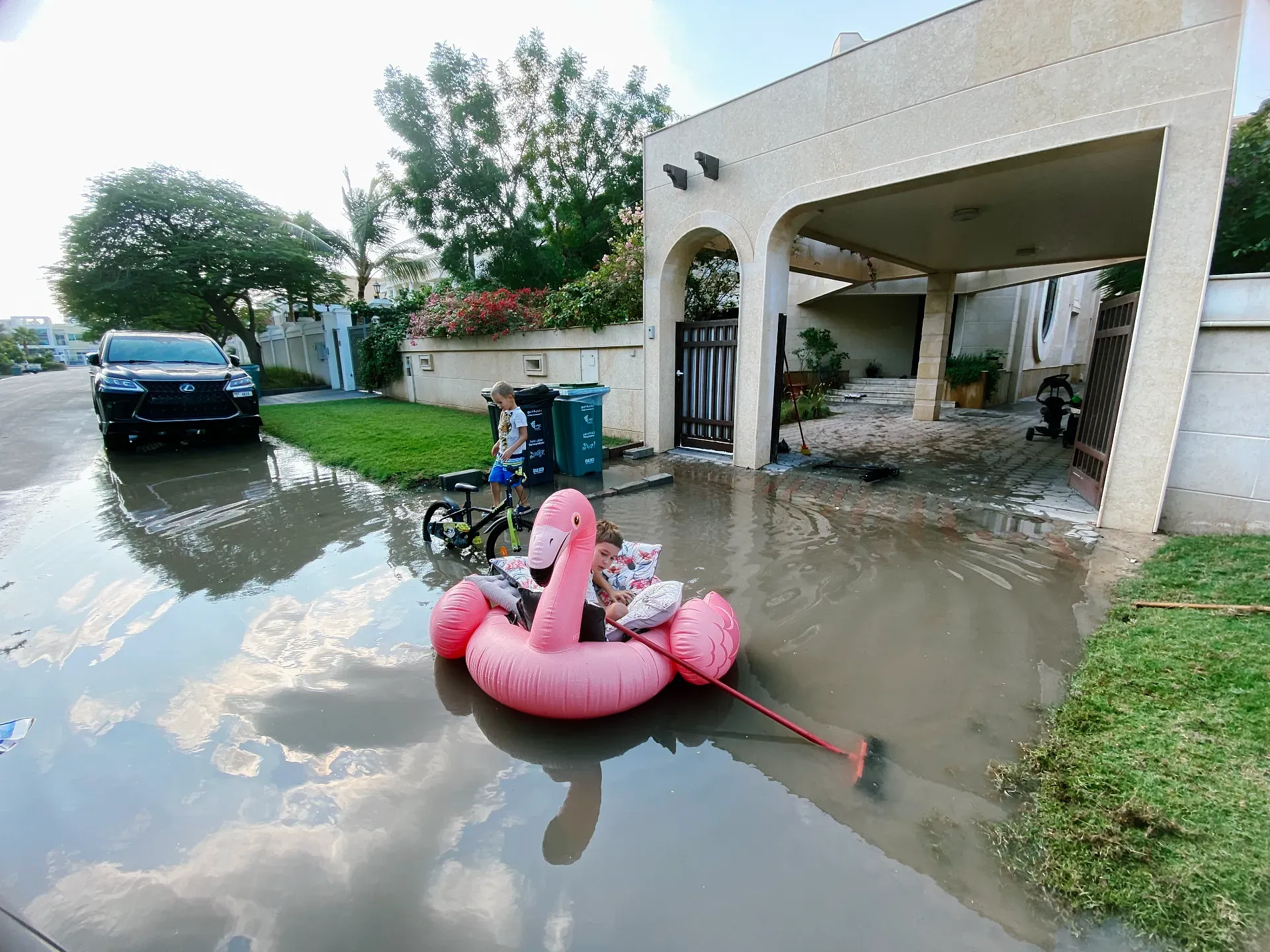
For the last three years we were flooded regularly. Water entered the house from above, from the side, through windows, walls and, probably, through the less noticeable ruptures in space-time left by the builders.
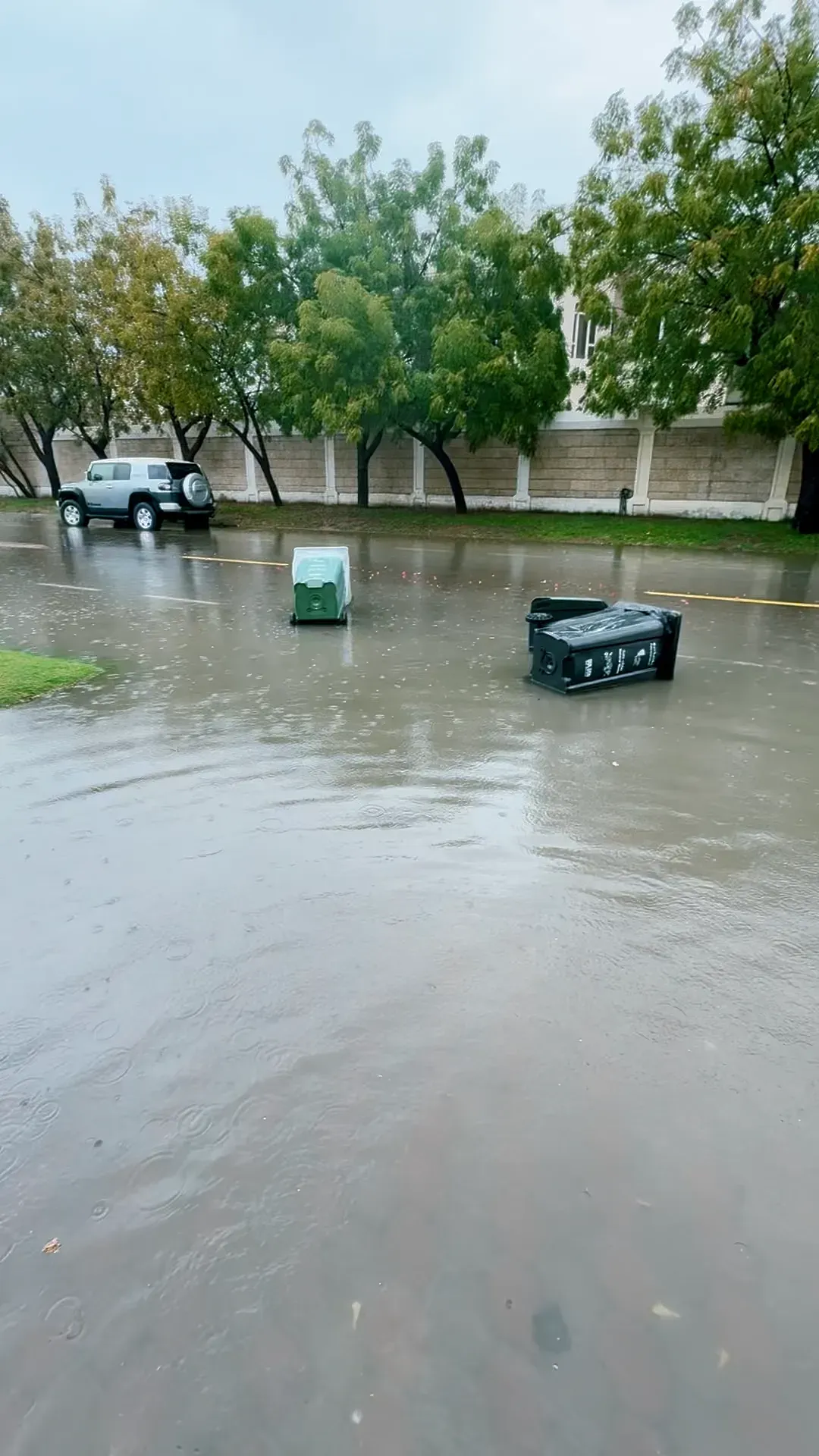
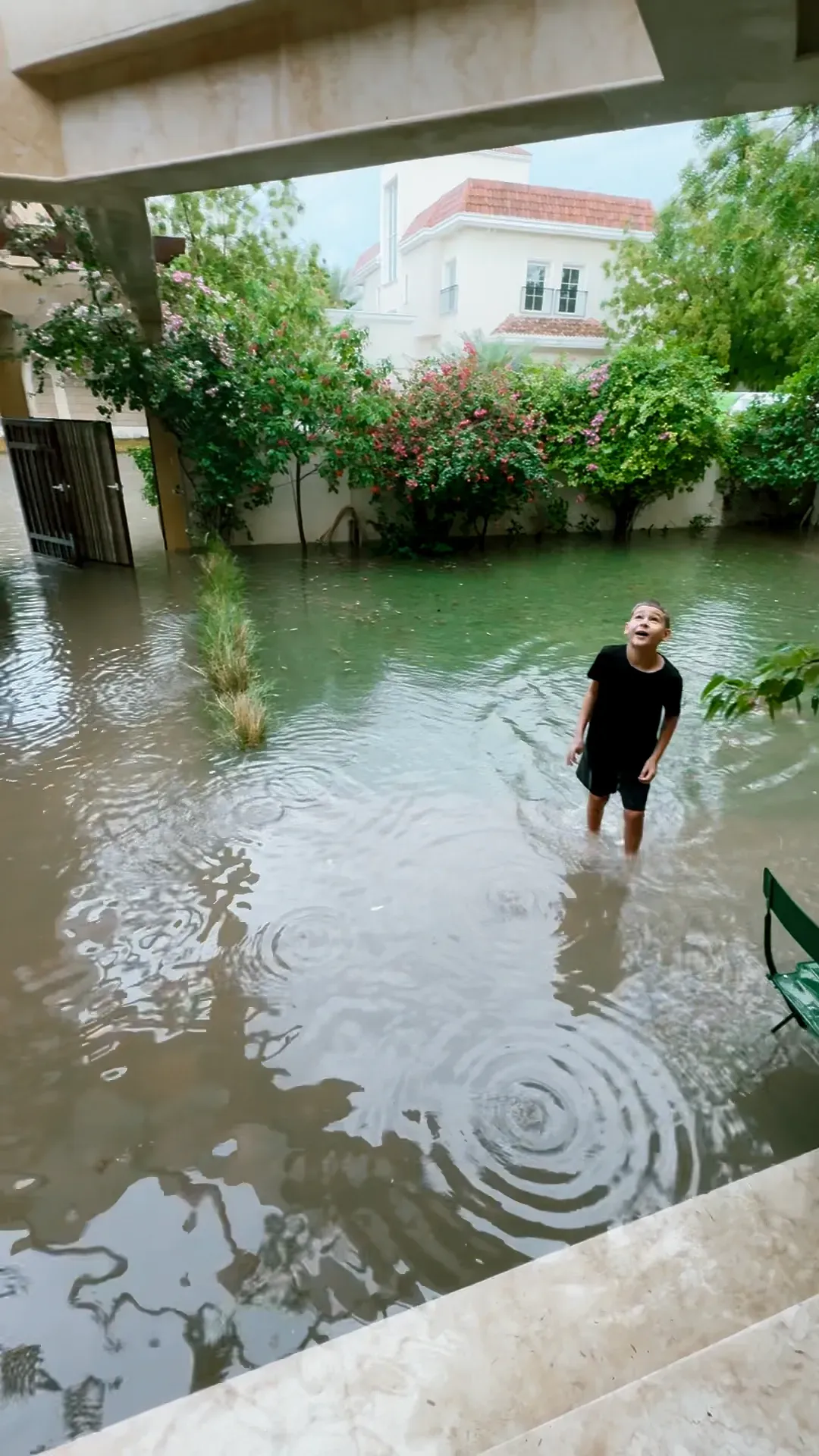
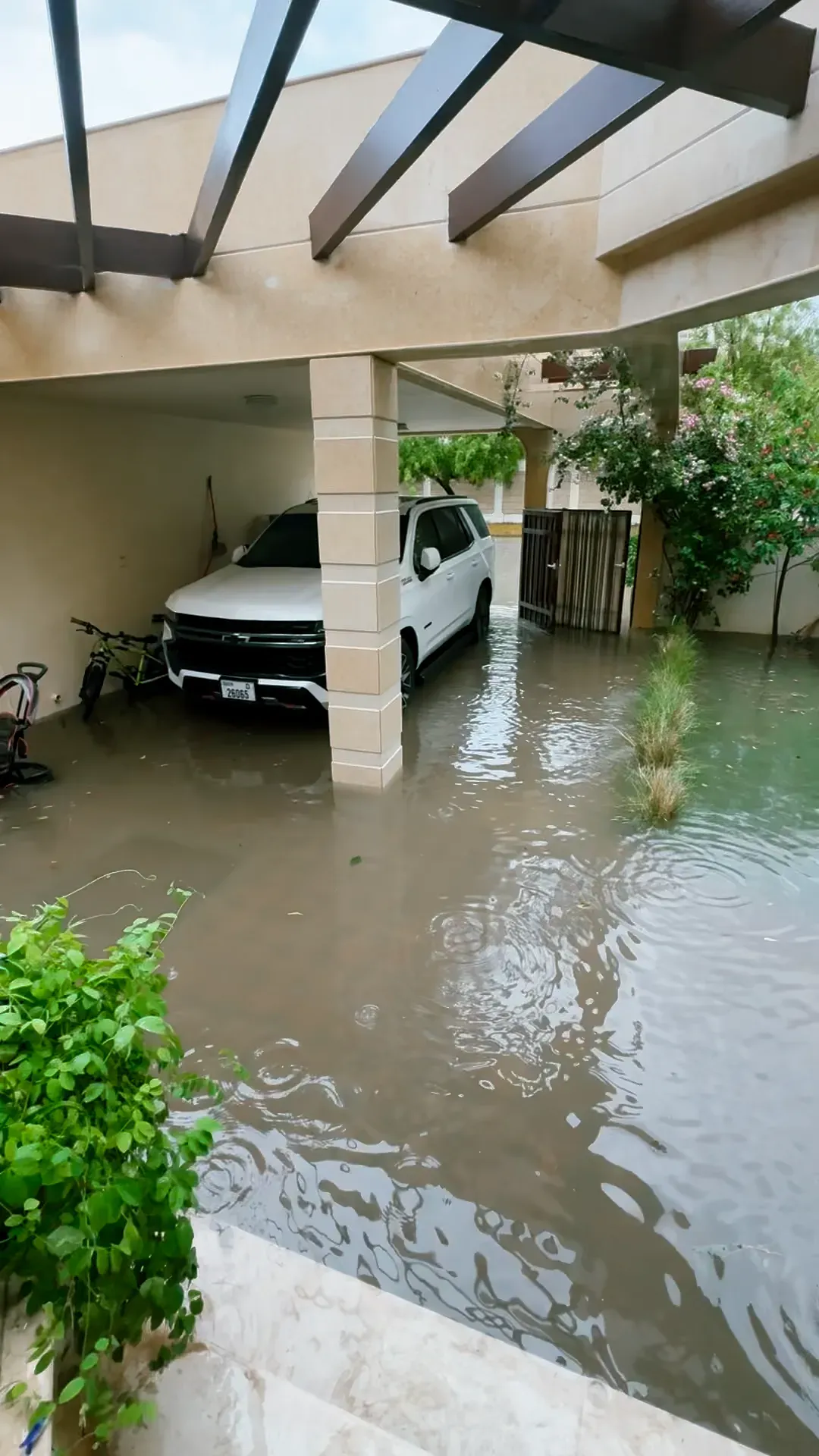
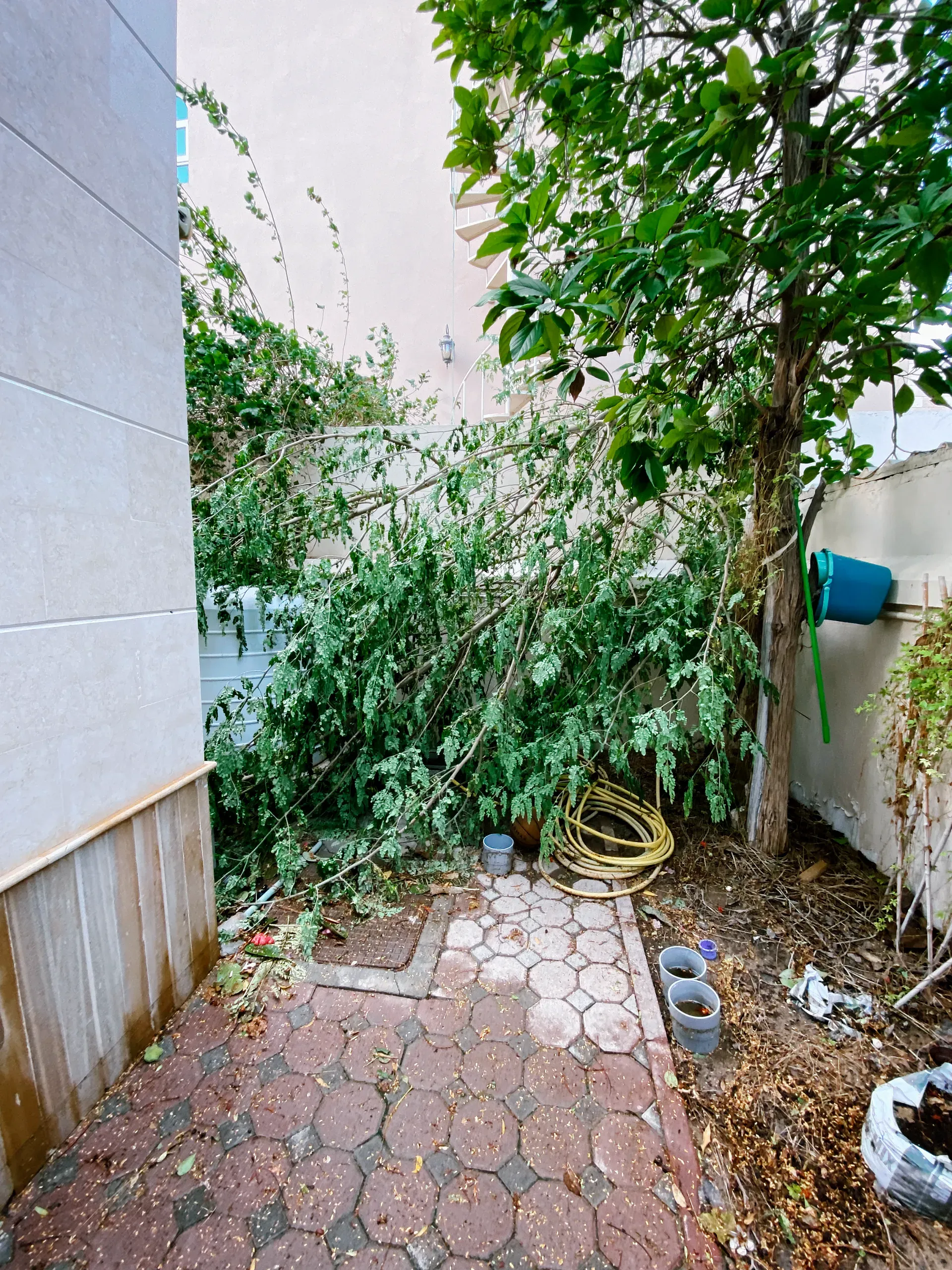
This is roughly how Jumeirah floods during a downpour
It ran through the rooms with an auditor’s businesslike concentration. It found weak points. Tested seams. Lifted tiles. Softened the ceiling. In our bedroom, the tiles buckled as if a small tectonic monster were waking beneath them.
Part of the ceiling in the downstairs guest room was ruined. The garden turned into a lake. The lawn died, was resurrected for money, died again and once more demanded a financial resurrection.
Once, the owner did send some people. They climbed onto the roof and poured over it some material — thick, earnest and, by its smell, capable of stopping not only water but certain forms of biological life.
They sealed the main holes. Some leaks disappeared. The landlord declared the repairs complete, the roof renewed and the matter closed until the end of time.
The villa took a different view.
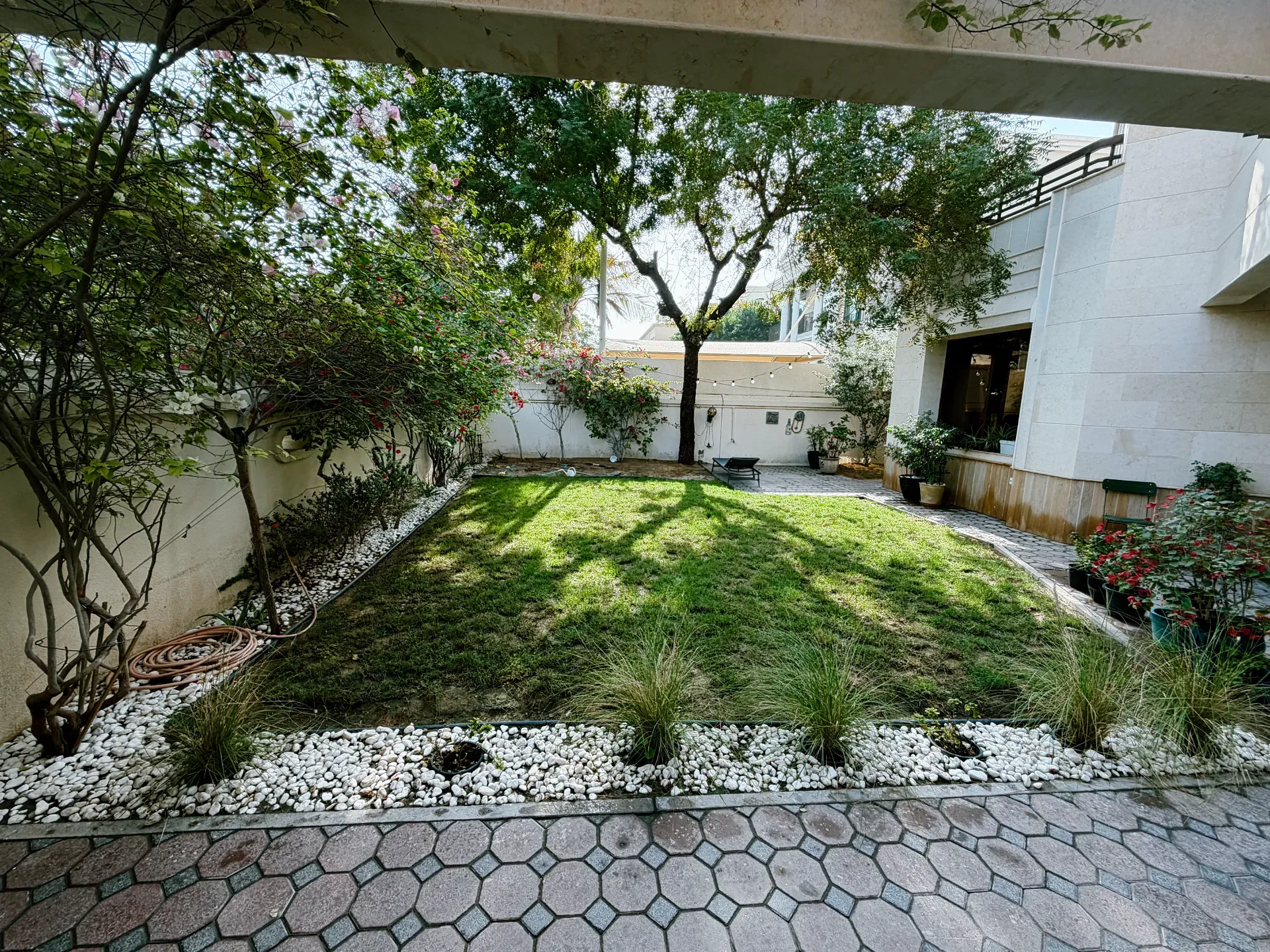
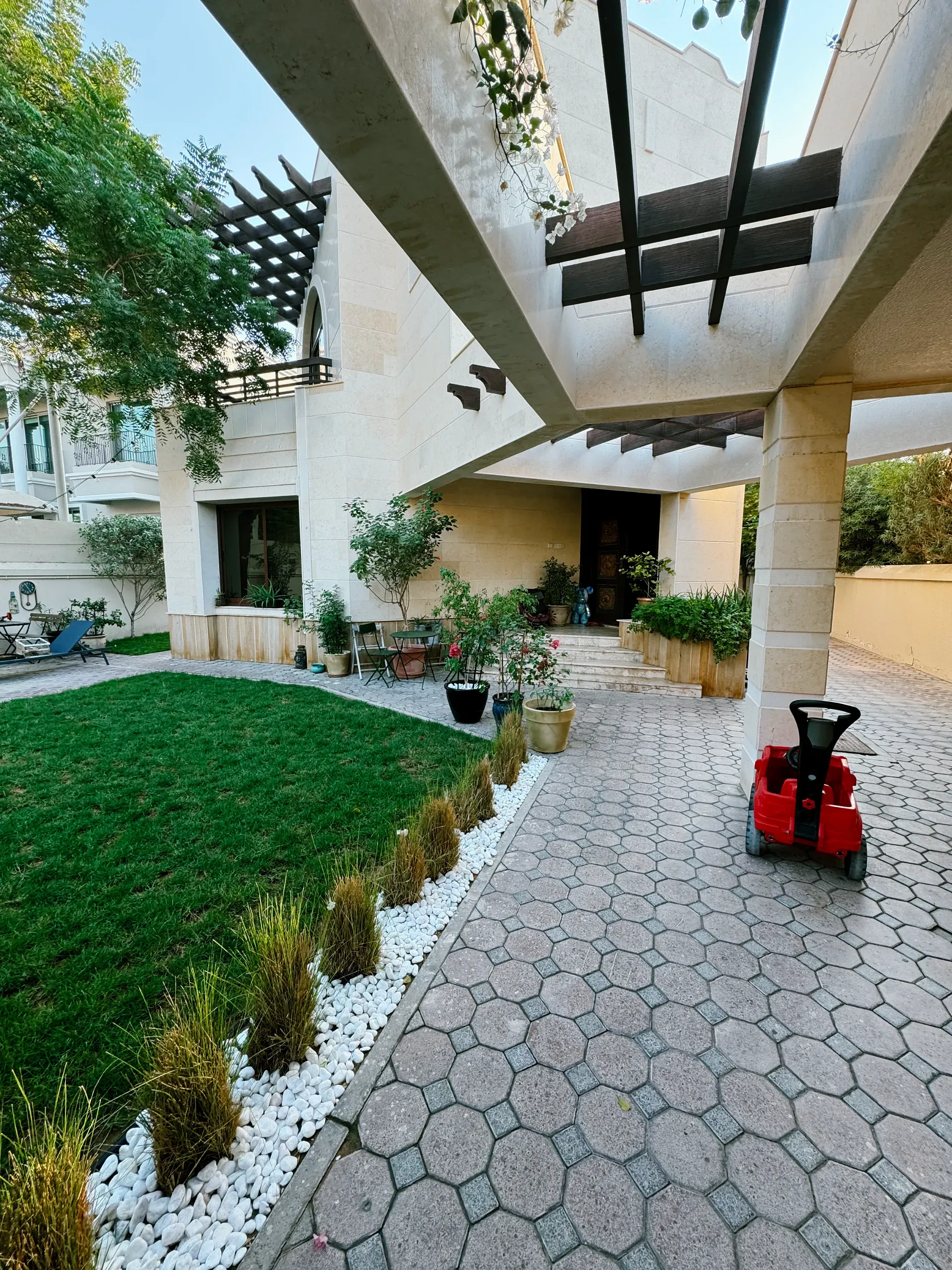
The garden’s new 2026 design — we changed gardeners and he proposed a creative solution with white stones
The house’s monthly tribute
Little by little, it emerged that besides the official rent there was another, secret one. The house itself collected it.
Around AED 1,500–2,000 every month went on small repairs, air conditioners, electrics, plumbing and the next whim of an ageing organism.
The gardener received AED 500. Fertiliser, chemicals, plants and everything needed to keep the garden from becoming, finally, an archaeological site were bought separately.
Several times we replaced the lawn after floods. Laid fresh grass. Watered it. Fed it. Saved it.
And after a while we would again watch it slowly leave this world beneath the Dubai sun, or after another rain.
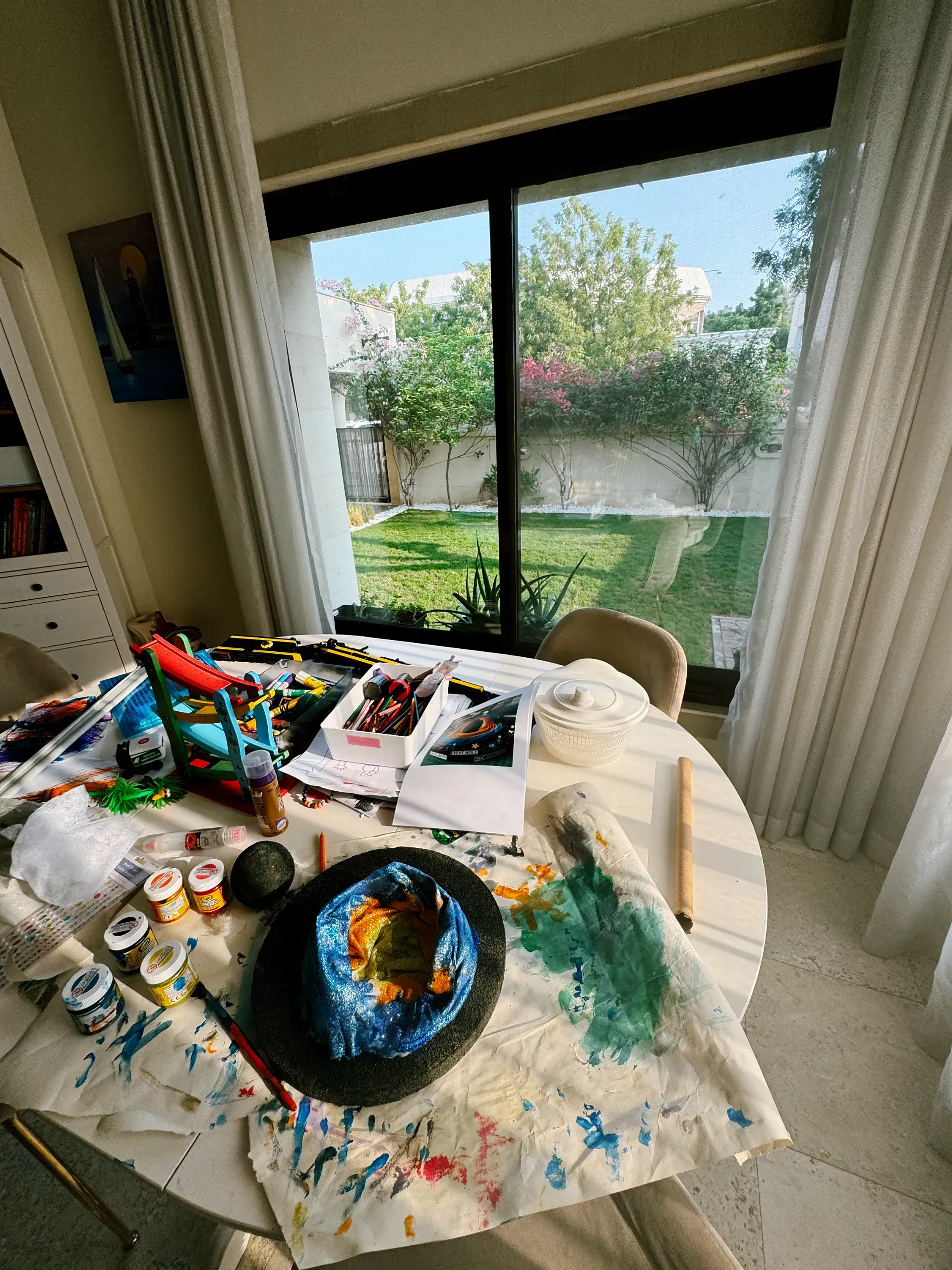
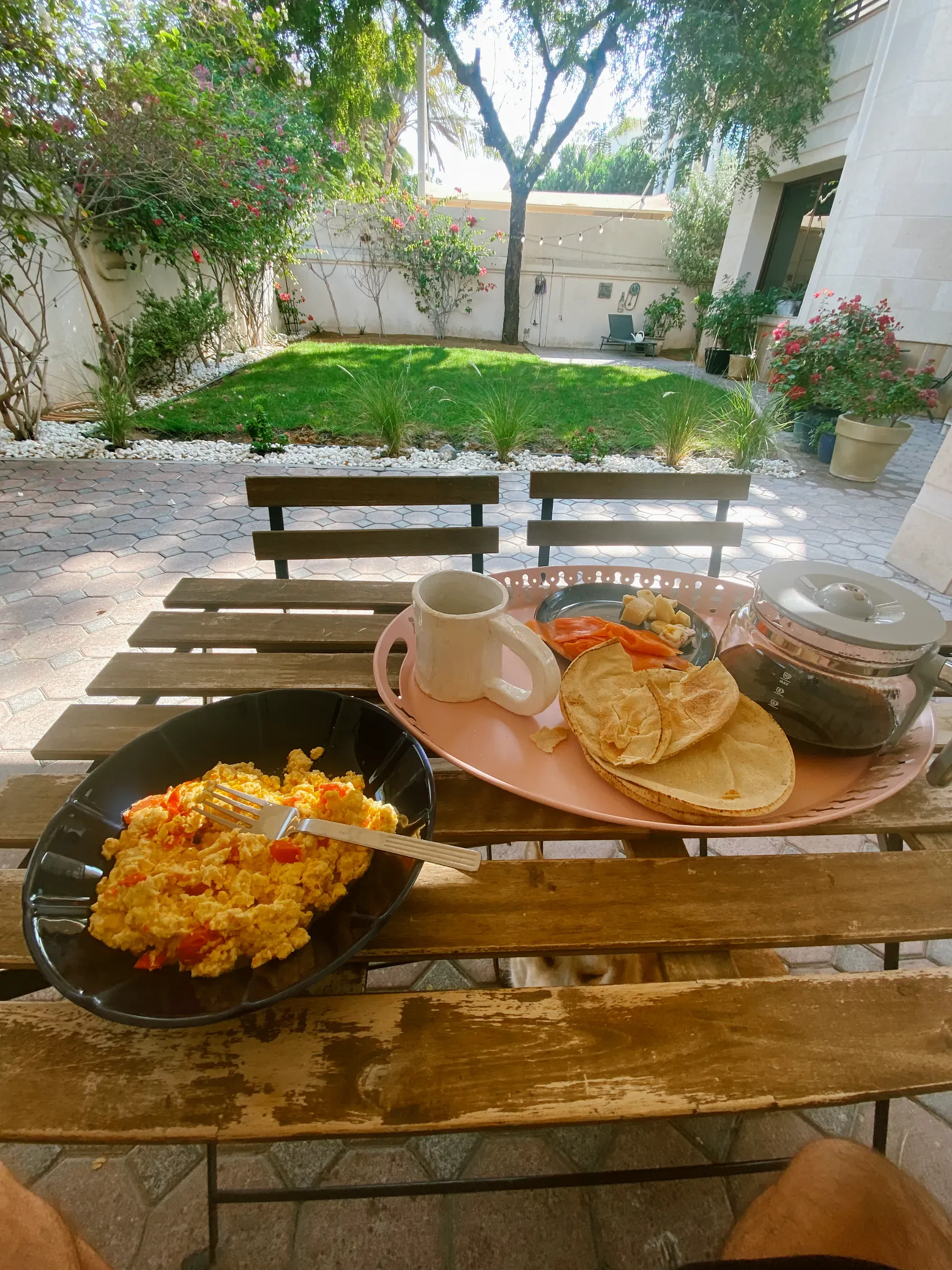
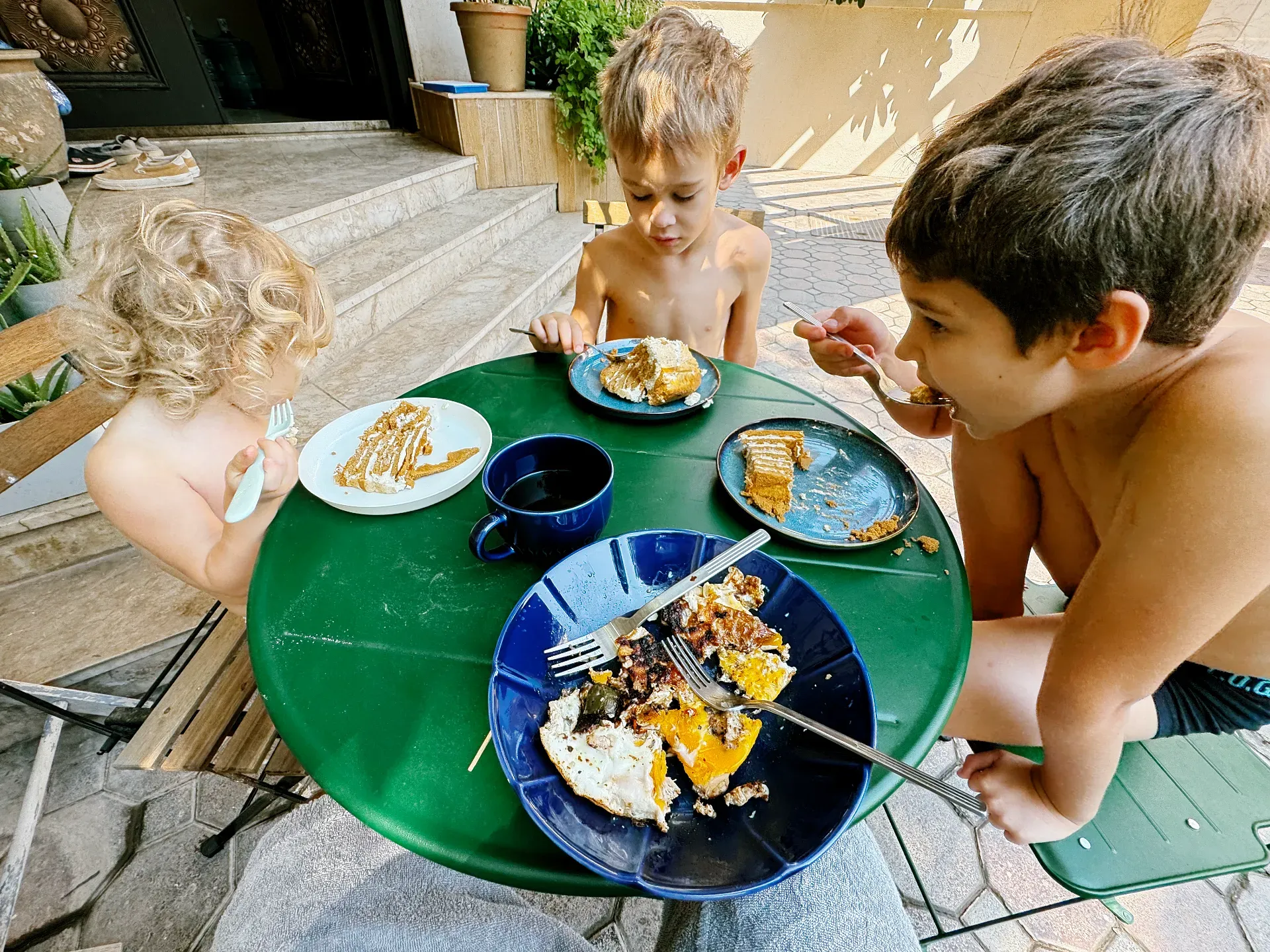
But if you care for the lawn well, it looks beautiful from inside the house, and in good weather you can have breakfast looking out at it
The house ate money calmly — not greedily, but regularly. Like a large pet. Only a pet occasionally meets its owner at the door.
Meanwhile, every year the landlord raised the rent. In exchange, the house received approximately nothing.
We repaired. He raised it. We dealt with the aftermath of rain. He raised it. We replaced air-conditioning parts, tiles, bulbs and parts of the garden.
He, one assumes, derived a profound inner satisfaction from the development of Dubai’s real-estate market.
And at some point we realised we were not investing in a house. We were financing its slow ageing.
The plagues of Egypt
But we did not make the final decision.
The cockroaches did. In the final year, large brown cockroaches appeared in the house. Not the little kitchen misunderstandings you can squash with a slipper and forget.
These were serious, well-built insects the colour of expensive wood, with a confident gait, advanced navigation and no respect whatsoever for private property.
They appeared in the corridors. In bedrooms. In bathrooms. On the ground floor. On the first floor.
At times it felt as though, with just a little more time, they would start marching up the stairs in formation, carrying our unpaid pest-control bill at the head of the column.
In the final months, we killed five to ten a day.
Perhaps the neighbours were poisoning insects energetically and the entire cockroach tribe, fleeing persecution, had sought asylum on our territory. Perhaps they came up through old pipes. Perhaps the villa, sensing the relationship was near its end, decided to show us the full range of its special features one last time.
I inclined towards the logical explanations. Ira preferred the theory that the plagues of Egypt had arrived.
When you kill the first cockroach in the morning, it is an incident. The third is a problem. The tenth is a new form of government.
Ira said:
— That’s it. We’re moving.
So ended the era of the old Arab villa. Not with thunder. Not with rain. Not with a collapsing ceiling. But with one large brown cockroach crossing the living room unhurriedly, like a new owner after registering the deal.
Where does a family go?
We began to look.
Either Dubai Hills, but it was rather far from all our logistics. Or perhaps the townhouse community of The Springs, where our friends lived. Other villas? Expensive and far away. Apartments? A community. Neighbourhoods with parks, pools, children, paths and a life beyond one’s own fence.
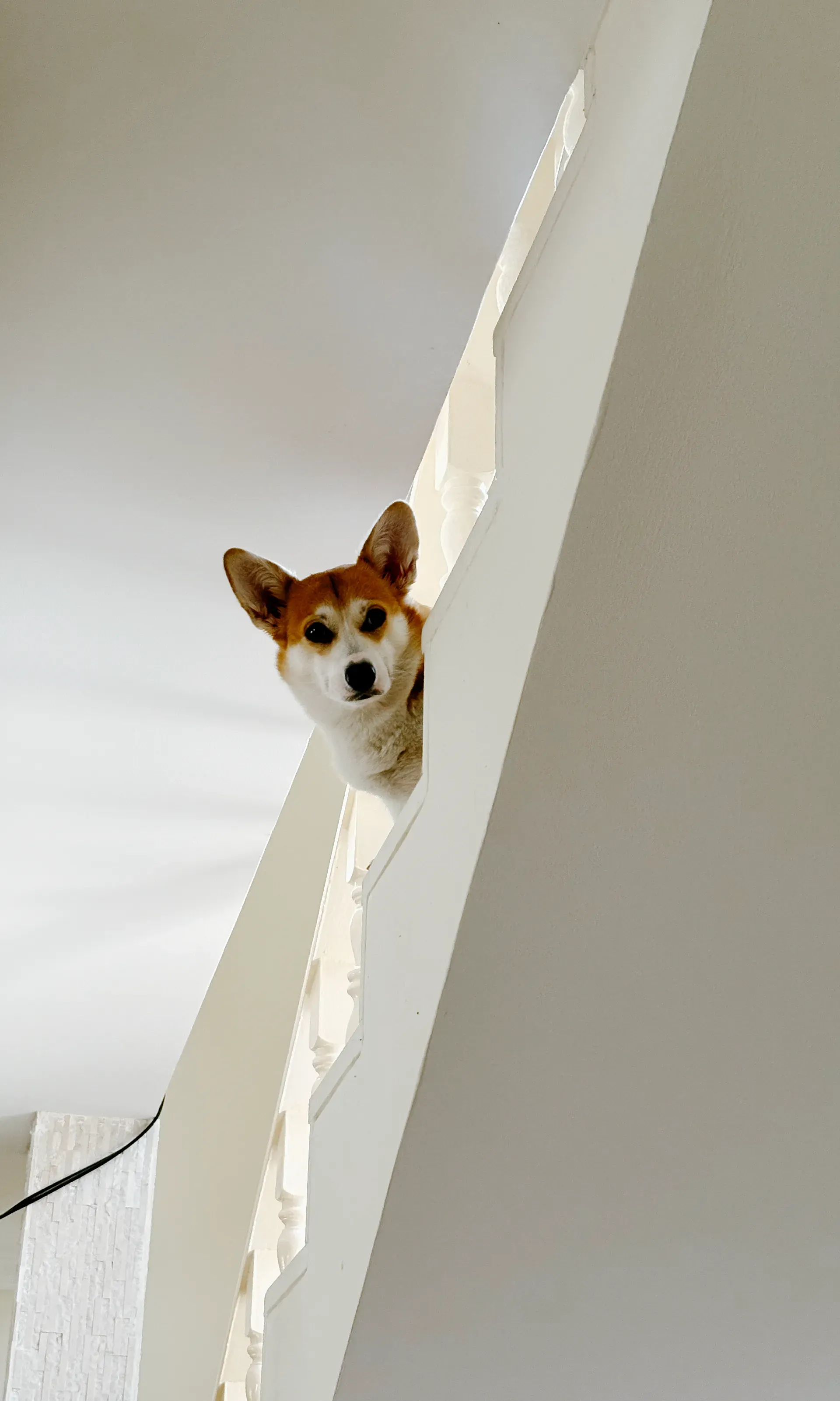
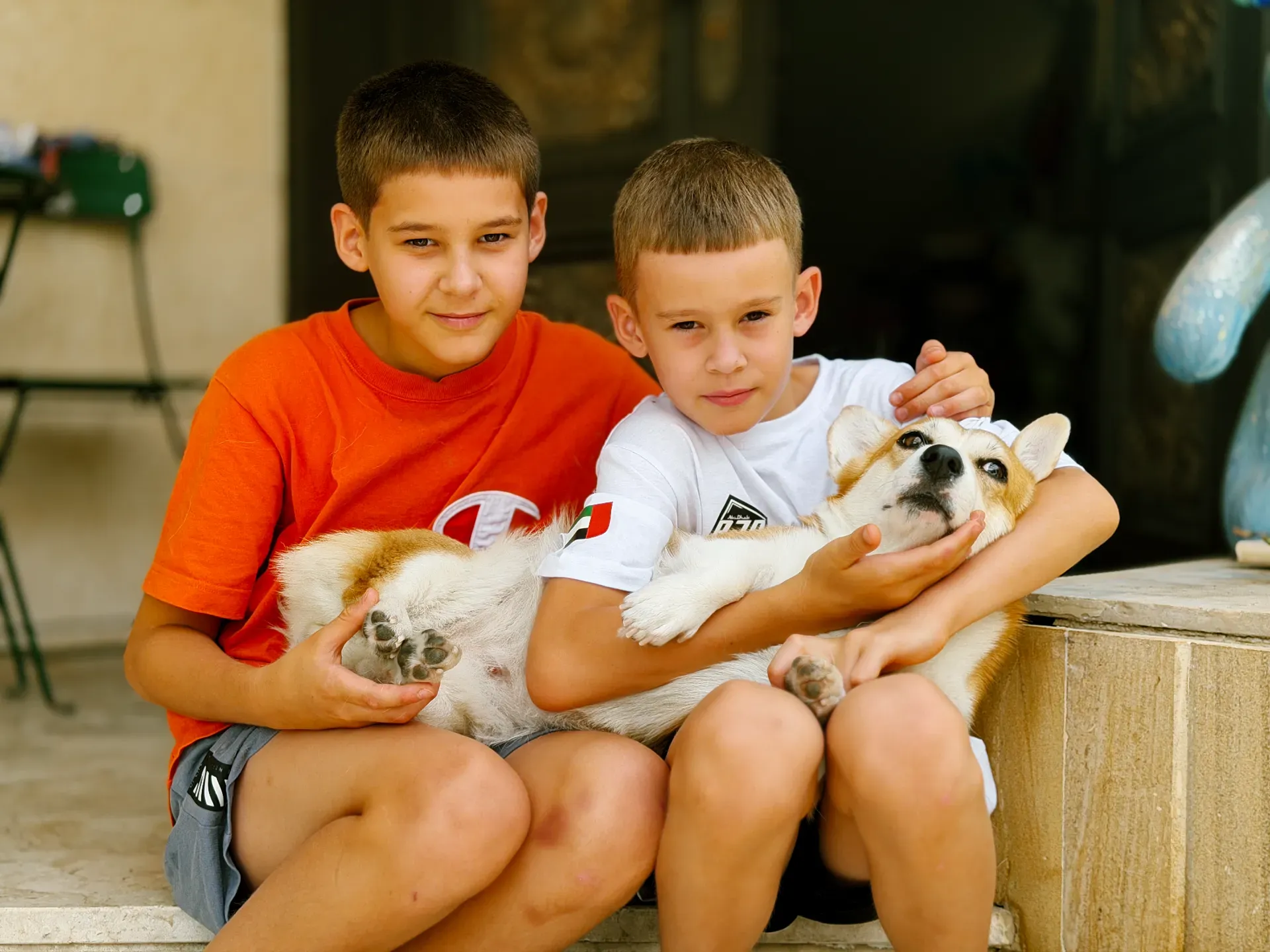
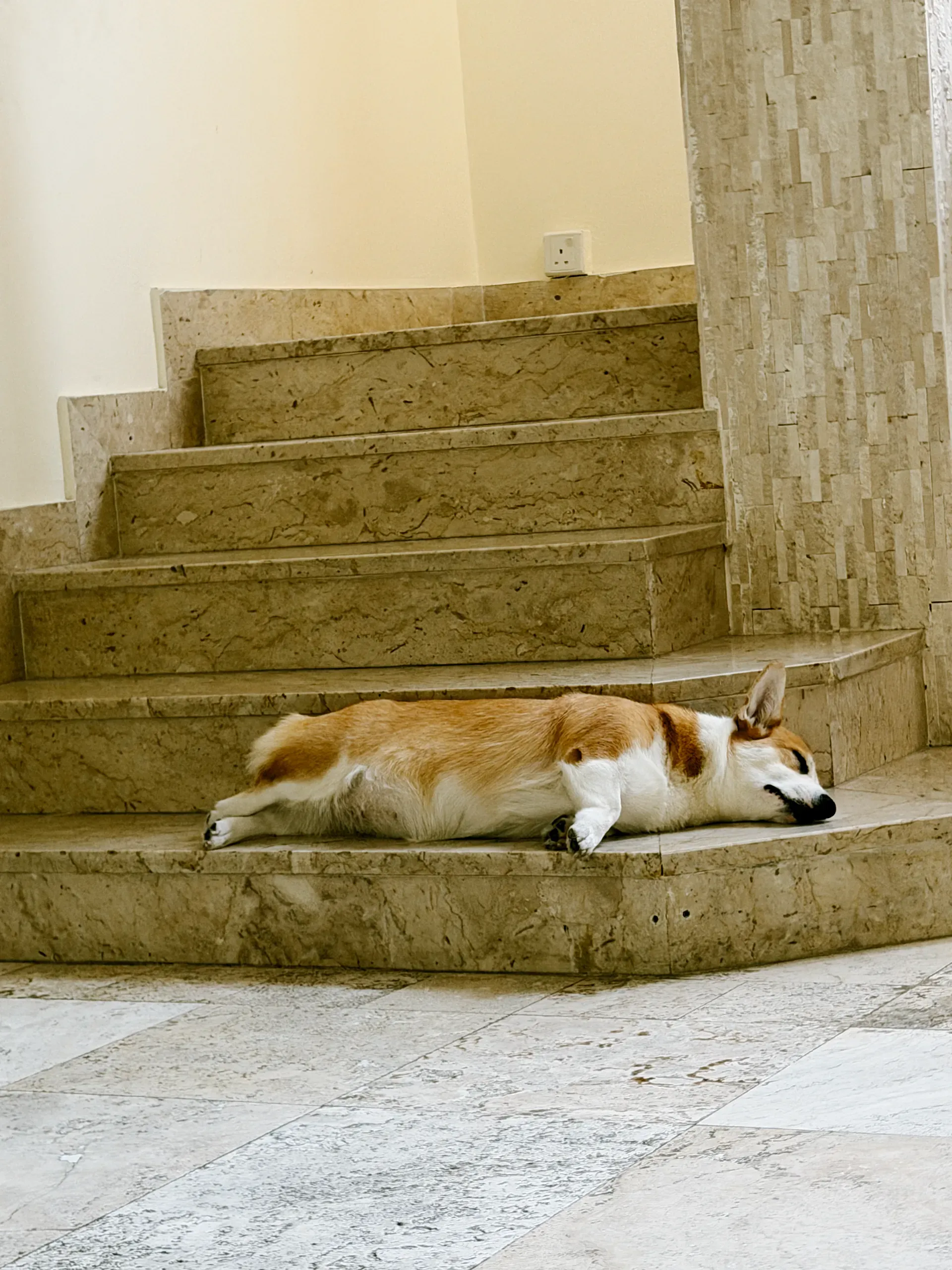
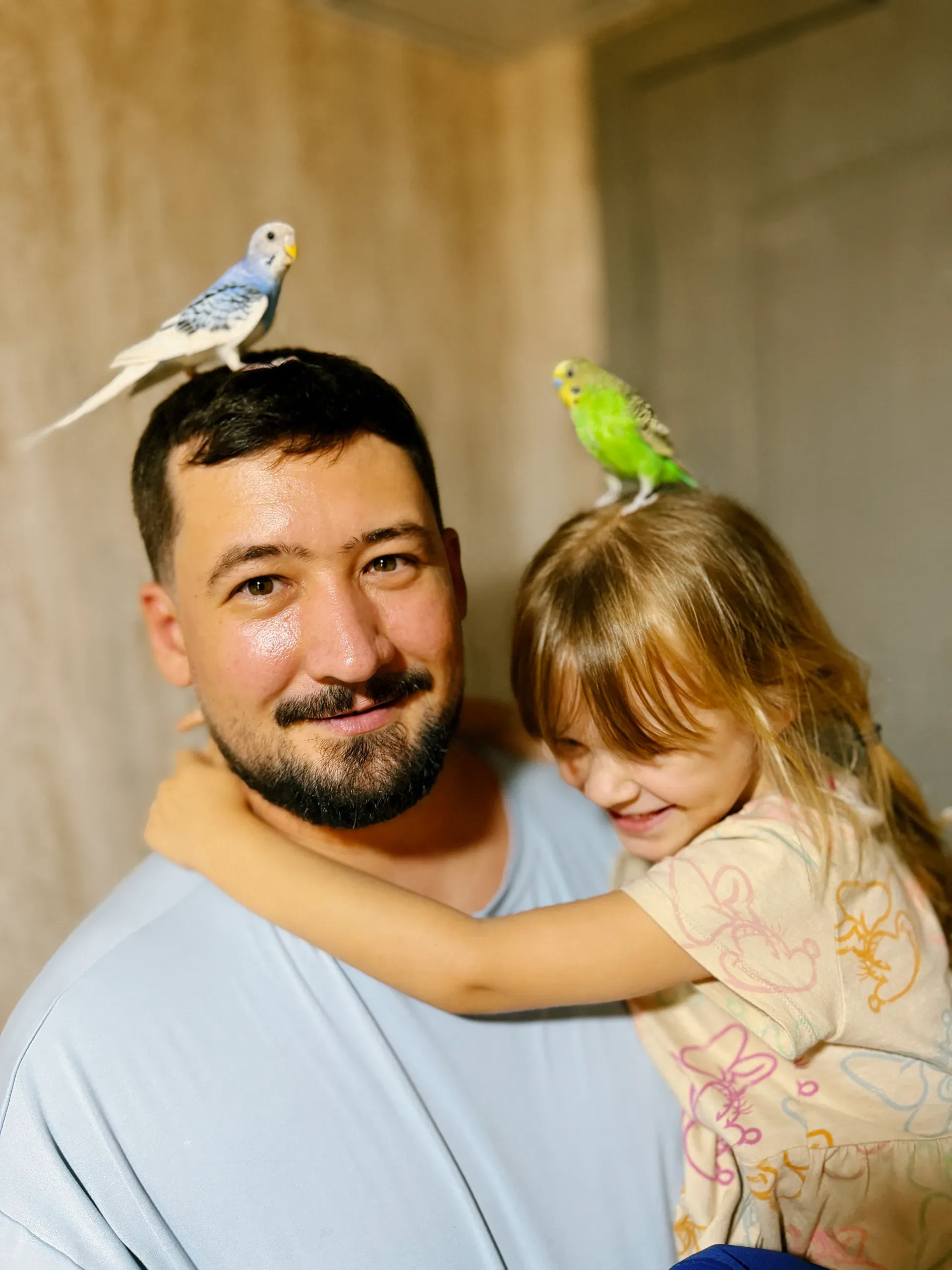
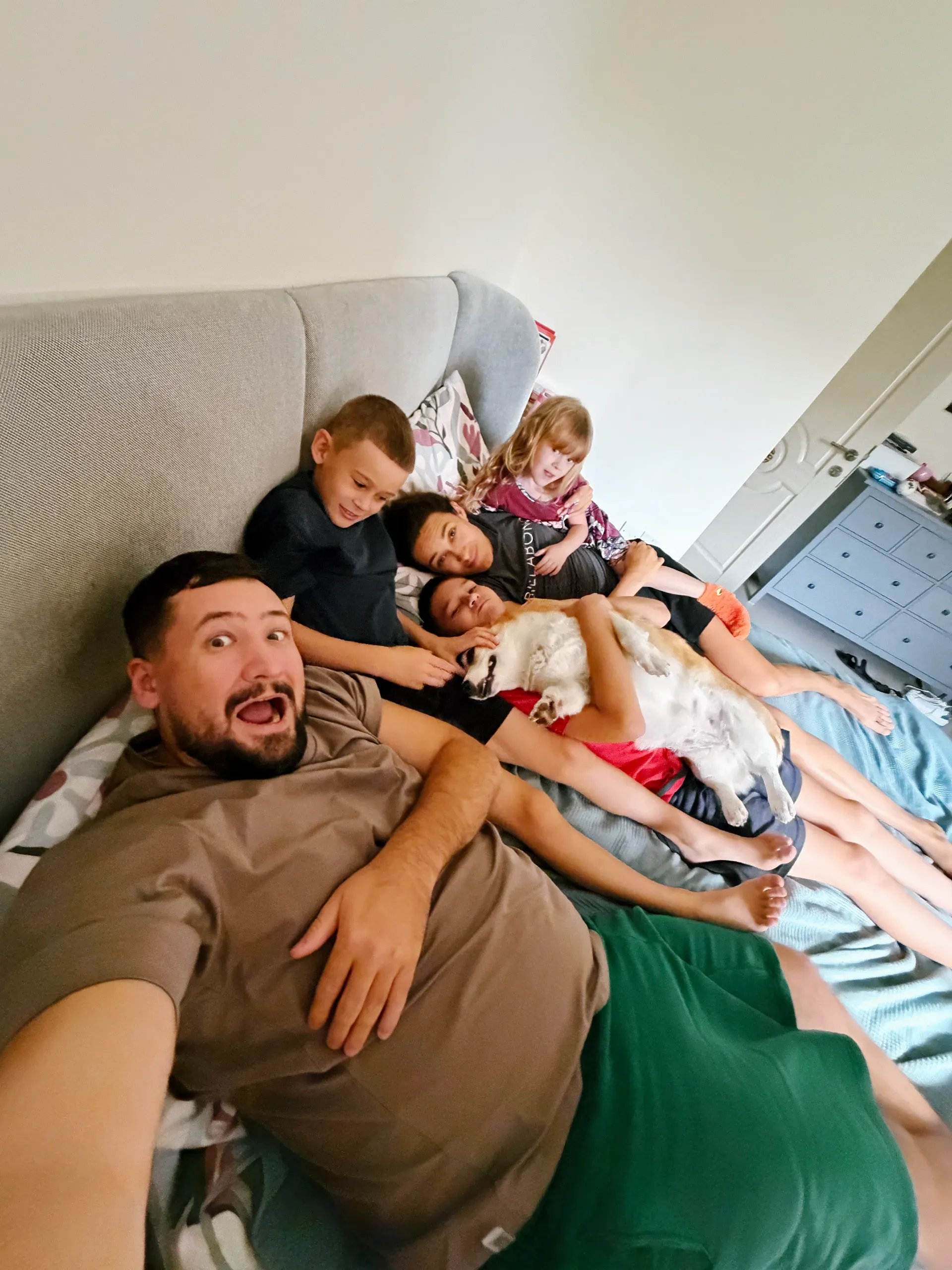
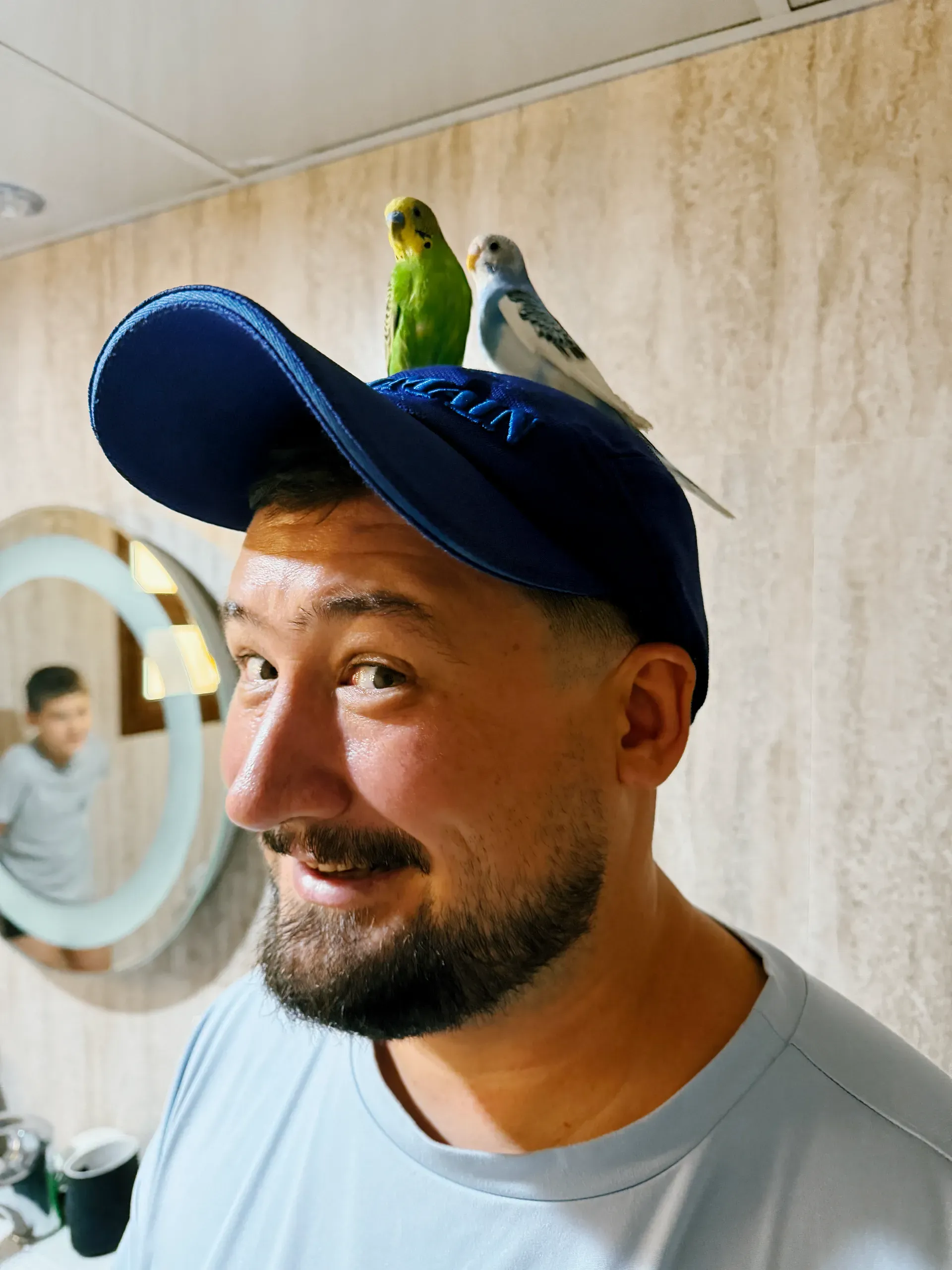
The villa also acquired an entire zoo — beginning with our wonderful Welsh corgi Becky; in the final year we fostered parrots; and then, of course, the cockroaches that attacked the villa in 2026
And gradually we discovered that a significant part of our family had been living on the Palm for quite some time — only without an apartment there, for now.
I went there almost every day because of the children. On the Palm there is a wonderful children’s centre, KidSpace, where they drew, played chess and learned programming.
And we are planning to put Dasha into ballet at Todes there very soon; we only have to go and pass the assessment.
Nearby are a big mall, gymnastics for Kostya and Dasha, shops, cafés, beaches and all the infrastructure we used to assemble from different districts of the city like pieces of a complicated family construction set.
All that remained was to move the beds there. I began looking at apartments and found a wonderful option in Shoreline — the most affordable buildings, perhaps already a little old, but strategically positioned to perfection.
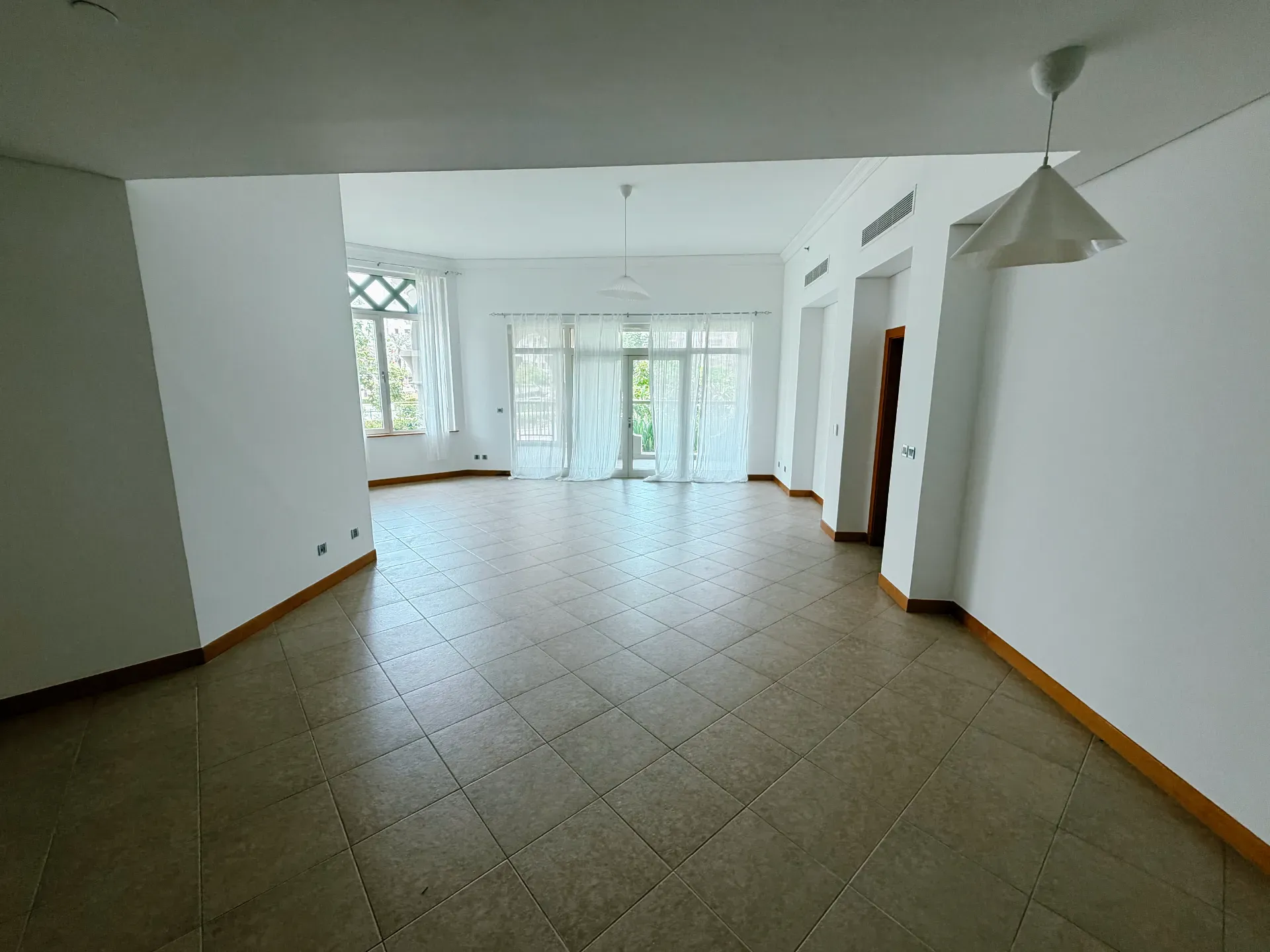
Three bedrooms. Ground floor. The sea close by. A pool. Children in the courtyard. Places to walk. Neighbours. A life that happens not only inside the apartment but around it. We understood it was no longer a question of comparing a villa and an apartment.
The family had simply changed. The children had grown. What they needed now was not a garden behind a wall, but an entire world beyond the door.
Six thousand dirhams after the end of the world
And so on 22 July, we handed the villa over to the owner.
We carried out our things. Checked the rooms; I made a final video of the whole villa. Closed the doors. Handed over the keys. Everything that had made up our life for four years turned, in a few days, into boxes, three lorries, one small car and a list of meter readings.
The house stood empty. Without children’s voices. Without our sofas. Without Cindy and little Dasha in the garden. Without my roof expeditions. Even the cockroaches had probably gathered in the living room to discuss the sudden decline in the quality of service.
The landlord returned part of the deposit. He kept the rest. Now, to demand those six thousand officially, we have to begin with a notarised notice costing around AED 1,300.
Friends say that owners often return the money after a letter like that. They generally do not want to litigate over a deposit. But we are the ones who must go to the notary. We are the ones who must gather documents. We are the ones who must spend the time.
Then perhaps apply to the Rental Disputes Center, pay the fees, wait and remain, for some time longer, mentally inside the house we have already left.
So the question is not only about money. Is the principle worth AED 1,300 and several days of life? Or is that exactly why we should go ahead — so that someone cannot simply keep another person’s money, counting on its owner being too lazy to fight?
We have not decided yet. Perhaps we will send the notice. Perhaps we will let it go.
Perhaps six thousand dirhams is the ransom the old villa demanded for our freedom.
Farewell, Umm Suqeim
But for some reason, it is the bad things that come back most easily.
An air conditioner breaks and you remember the heat. The roof leaks and you remember the buckets. Cockroaches appear and you remember every one of them, especially the last.
And thousands of ordinary, good days merge into one long bright day: little Dasha walking in the garden with Cindy, the boys returning from school, breakfast on the table, trees rustling beyond the gate and whole weekends at Kite Beach still ahead.
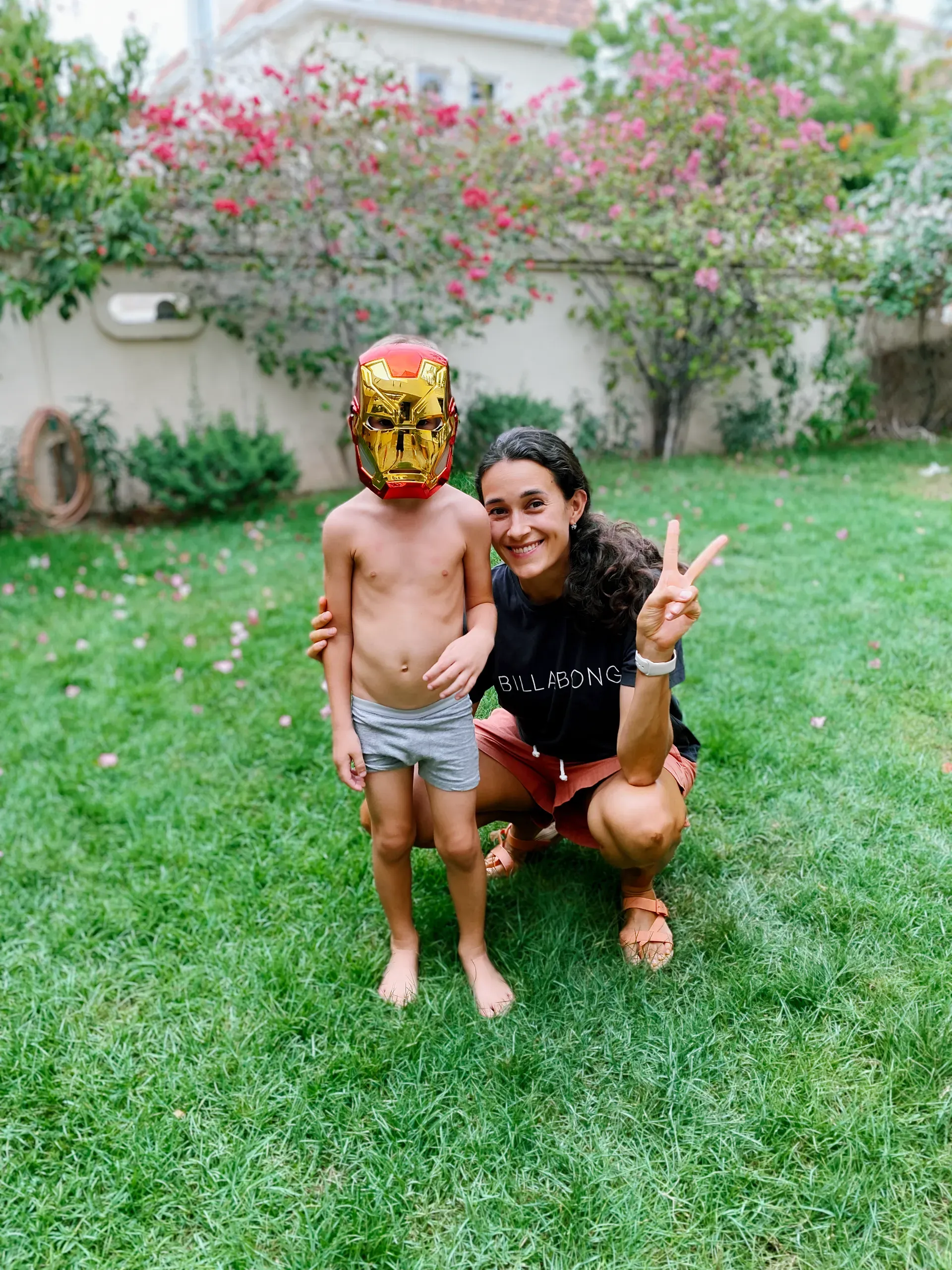
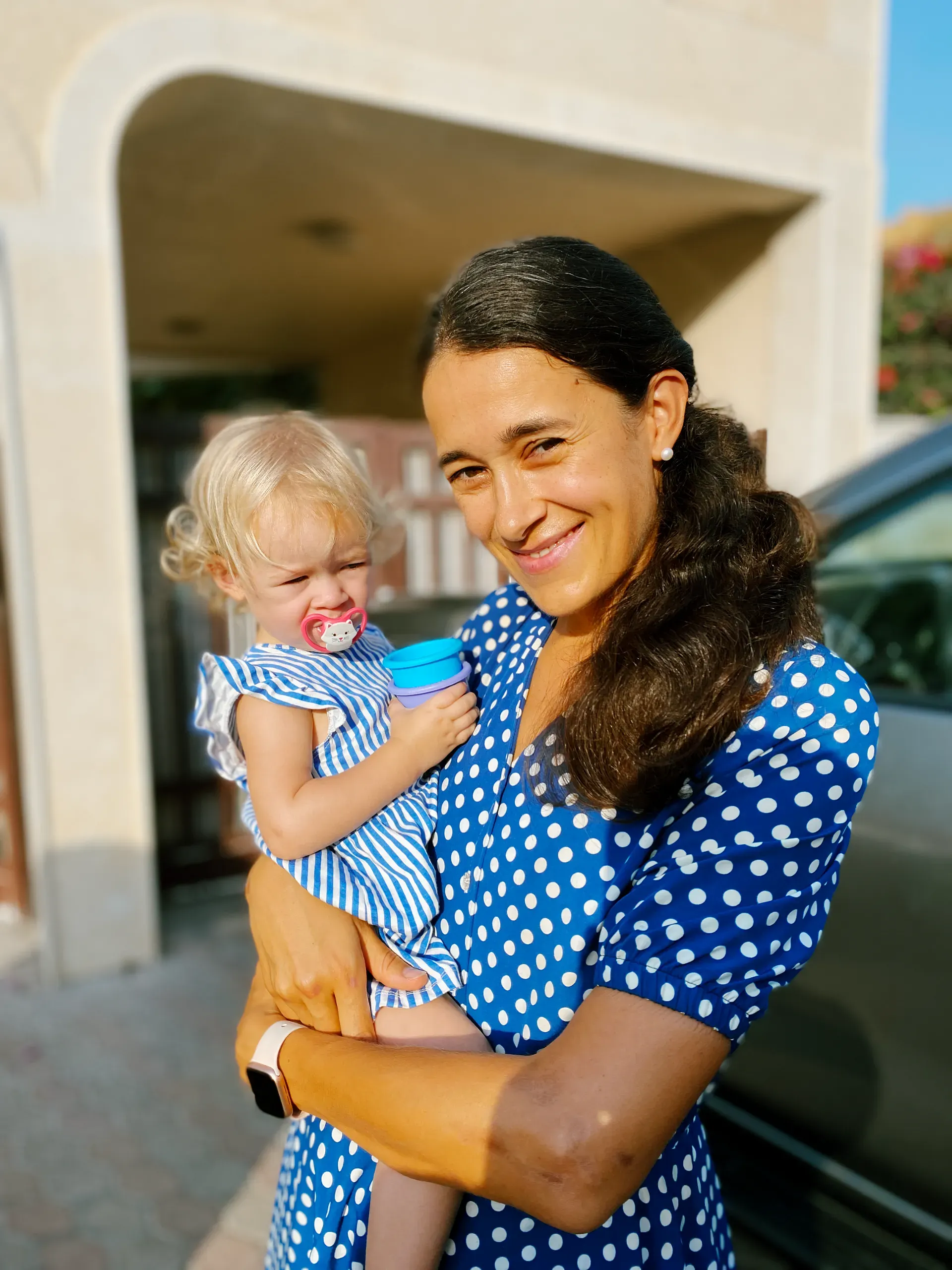
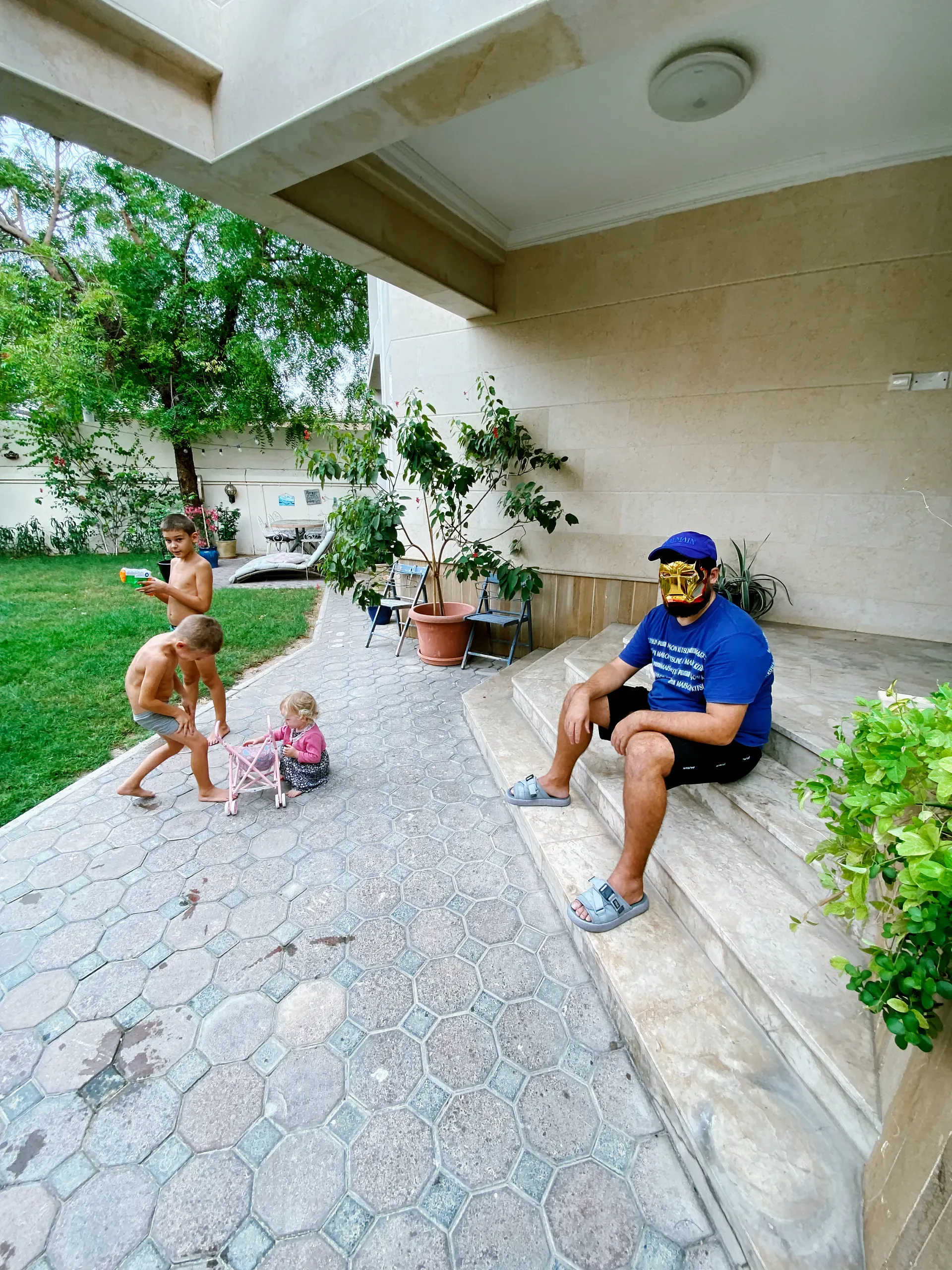
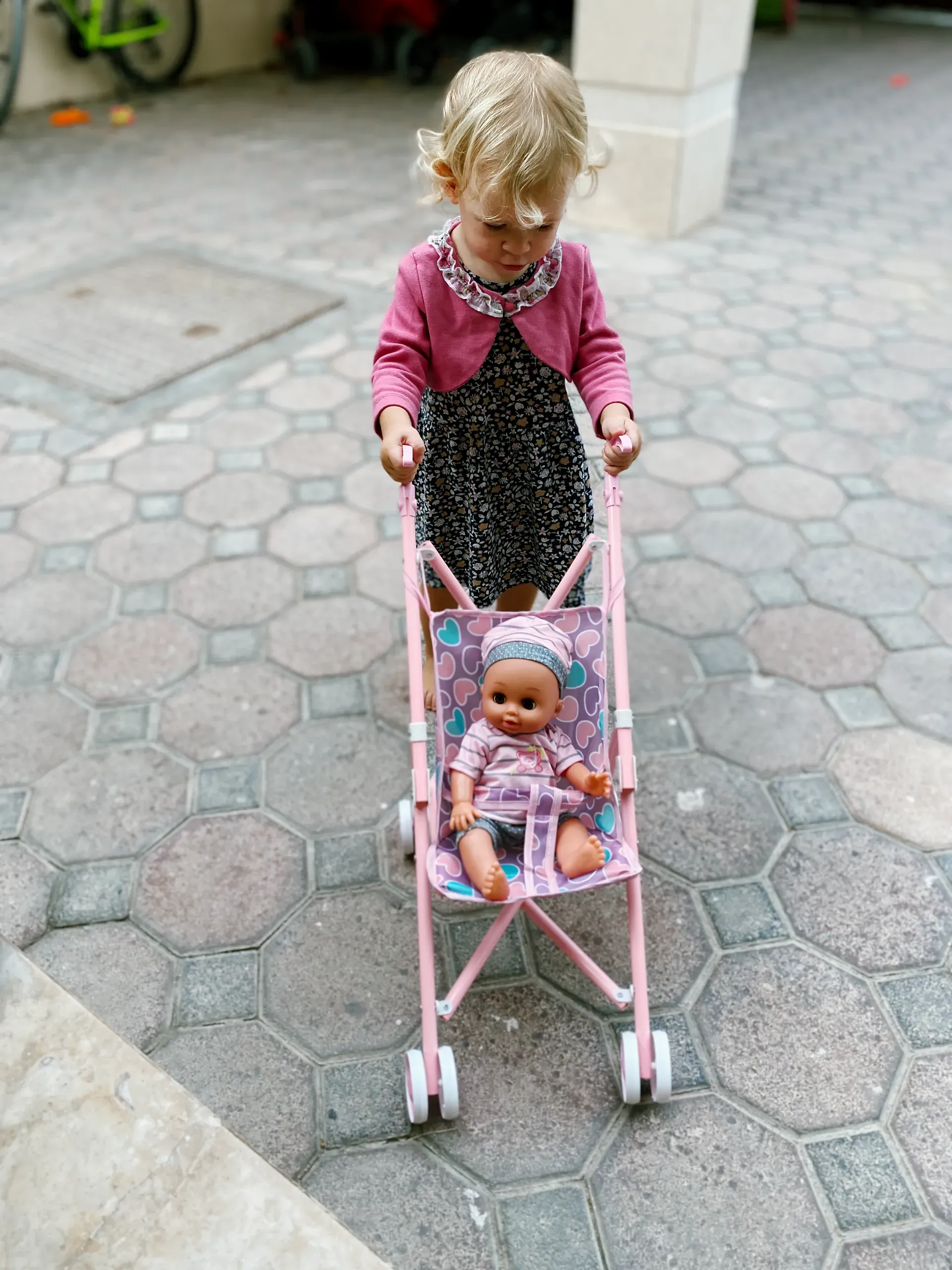
It really was very, very good here!!!
This villa was exactly what we needed then. It gave the children a yard. It gave us plenty of space. It gave us a nearby school. It gave us the sea ten minutes away. It gave us several years of family life that cannot be repeated, because the children who lived in that house are older now.
The house stayed almost the same. We changed. And that is why we left — not because the villa was bad. Its part of our story had simply ended.
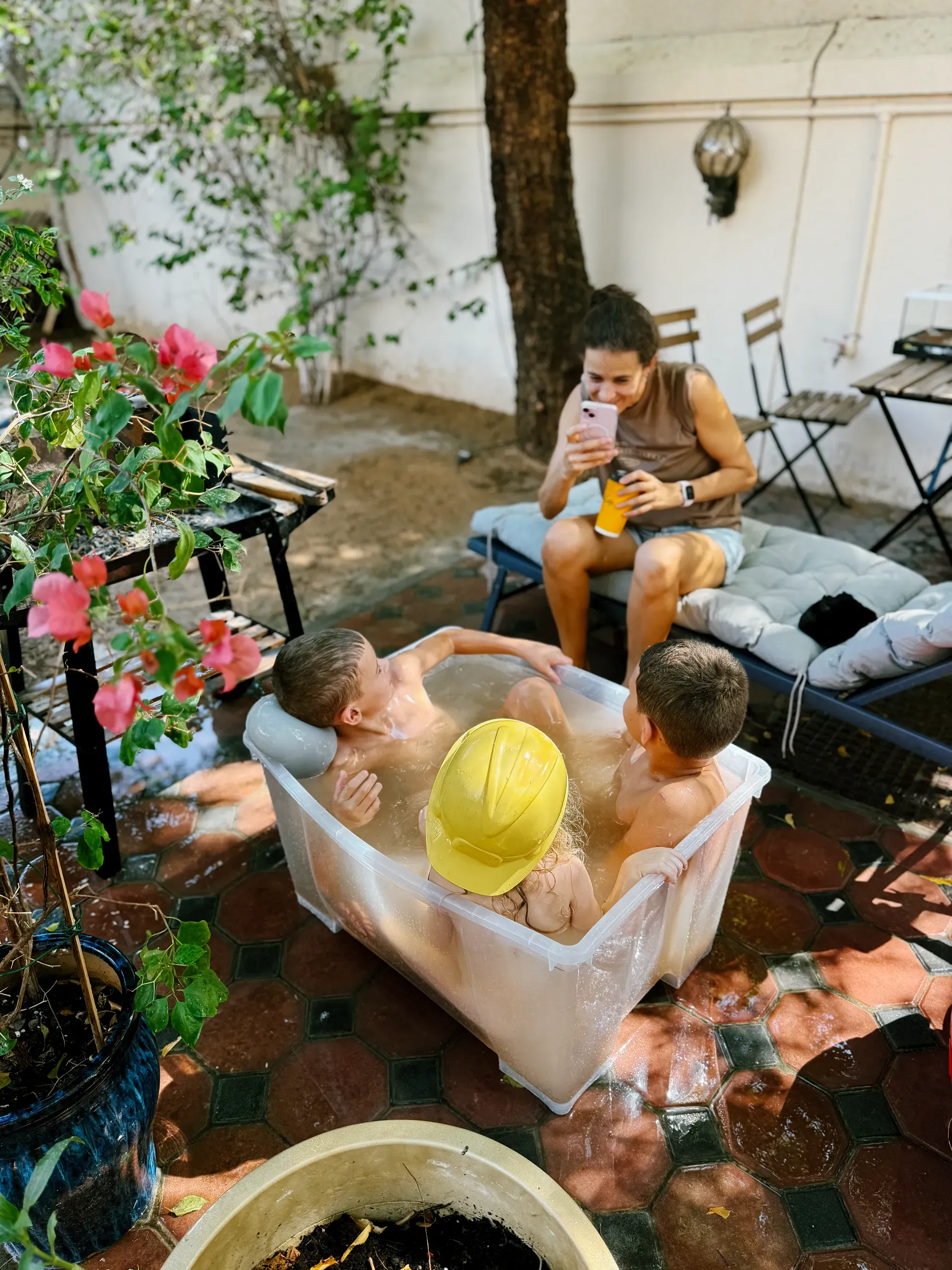
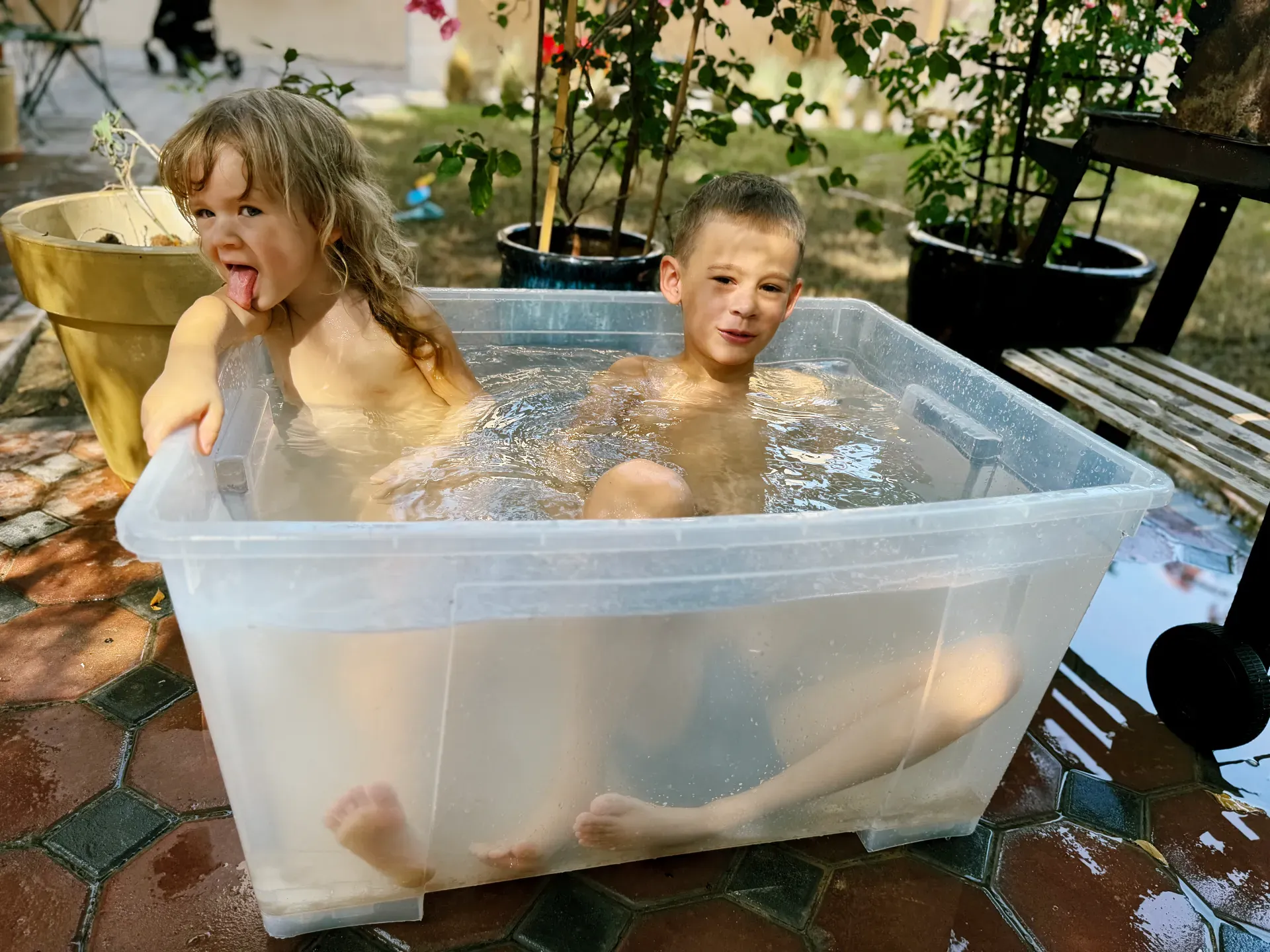
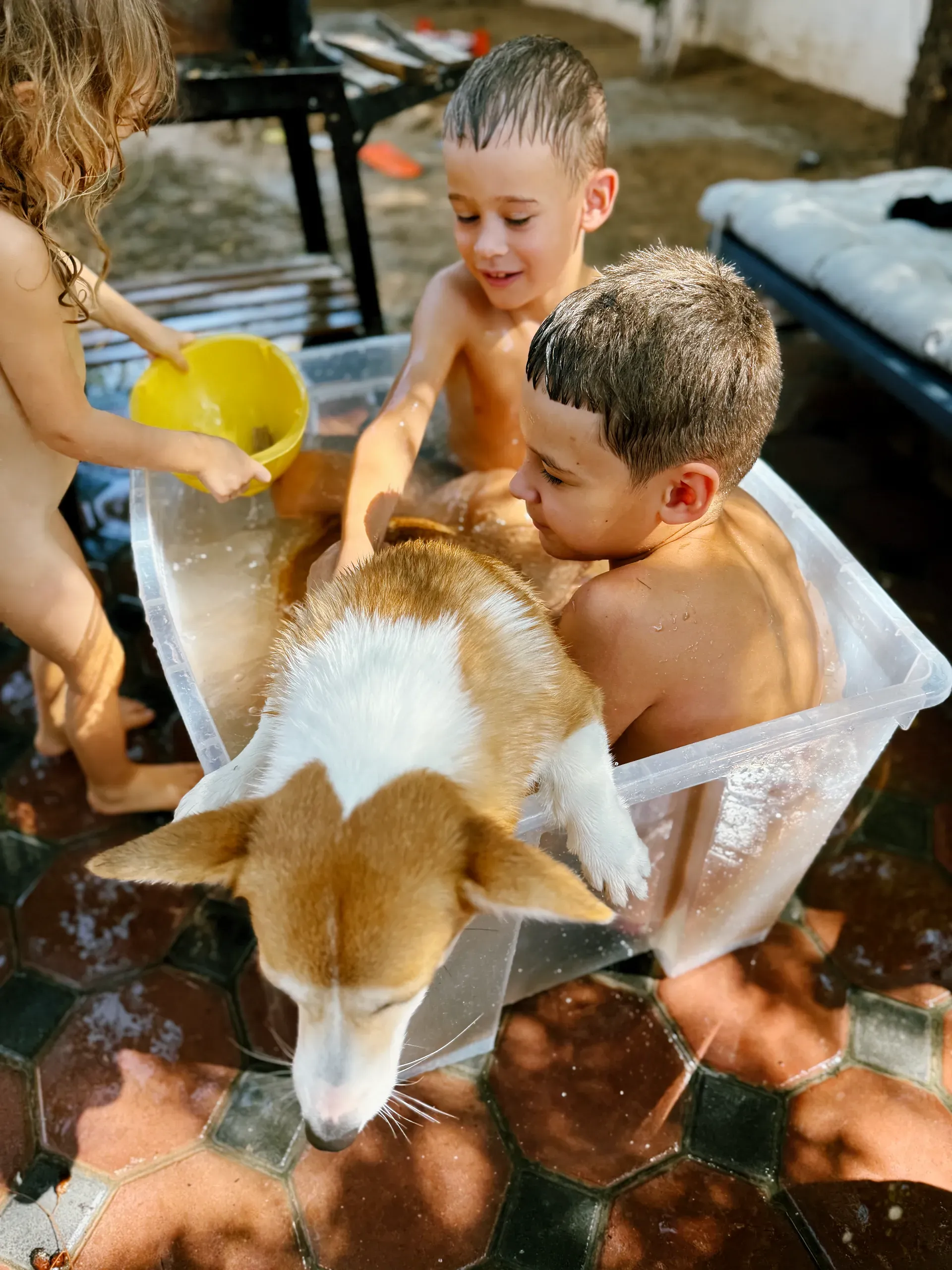
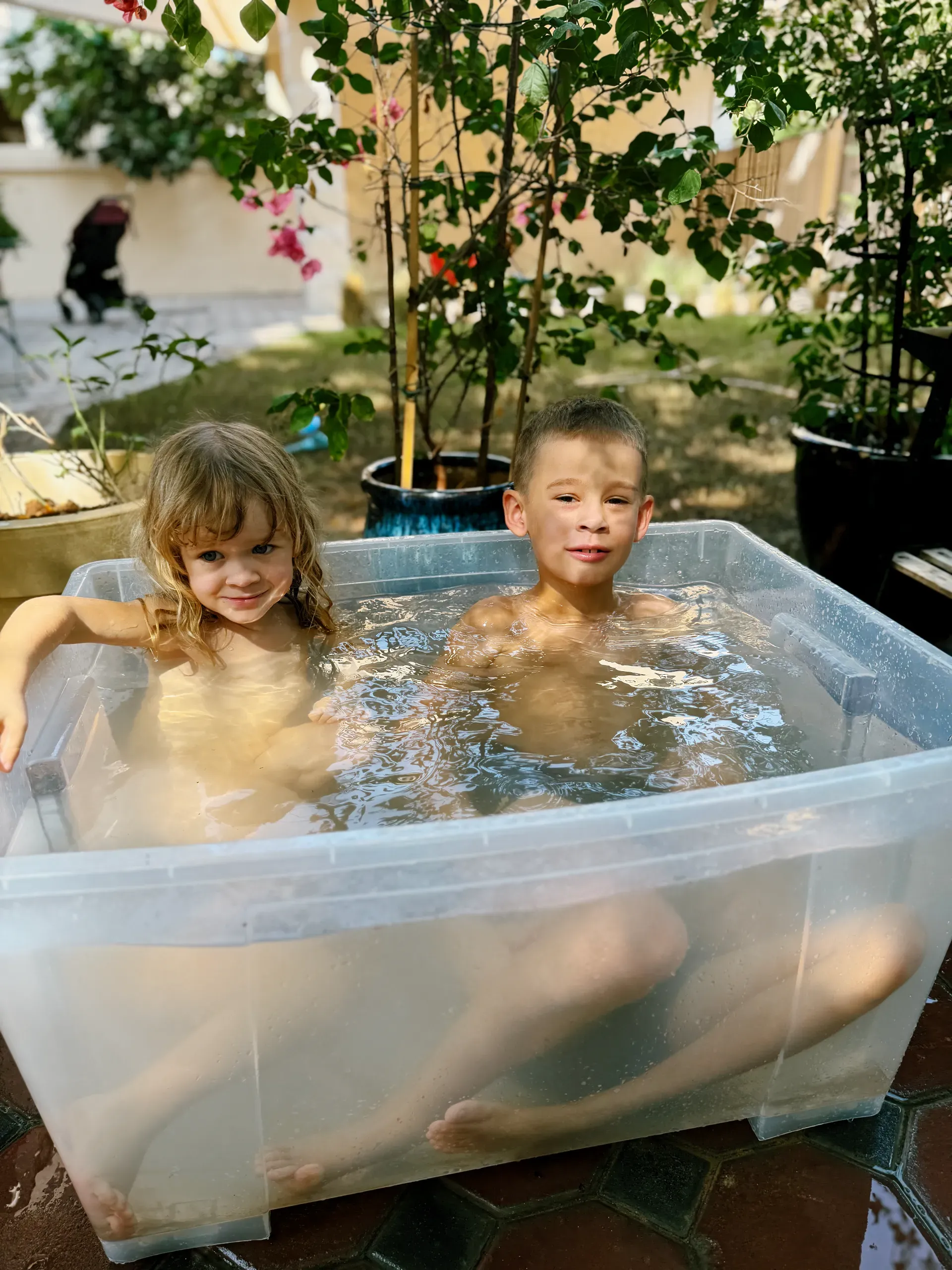
Ordinary children’s amusements at the villa
It did its job: sheltered us for as long as it could; let a certain amount of rain inside; made an electrician-roofer of me; taught Irina to spot cockroaches from twenty metres away; and finally explained to all of us that a private garden is not always more important than a communal pool.
Now we have a new life on the Palm. The sea. Shoreline. Children in the courtyard. KidSpace nearby. And no more driving across half the city to get to the place where much of our day happens anyway.
The old villa remains in Umm Suqeim — white, a little tired, with trees in the yard, a breaker box on the roof and our fragment of time inside it.
Three years, eight months and twenty-two days. Exactly 1,360 days.
Farewell, old Arab villa. Thank you for children in the garden, school seven minutes away and the sea at weekends. But we would still quite like our deposit back...